

$12 bn. Project Vault: A U.S. Role for Central Asia’s Strategic Minerals
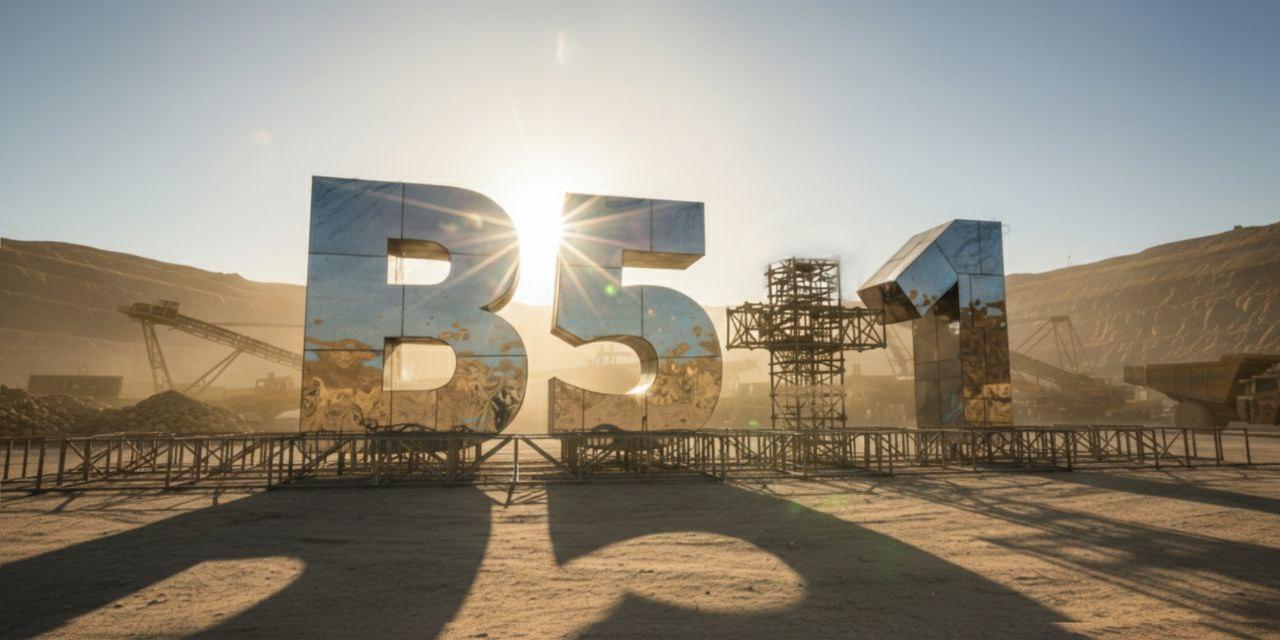
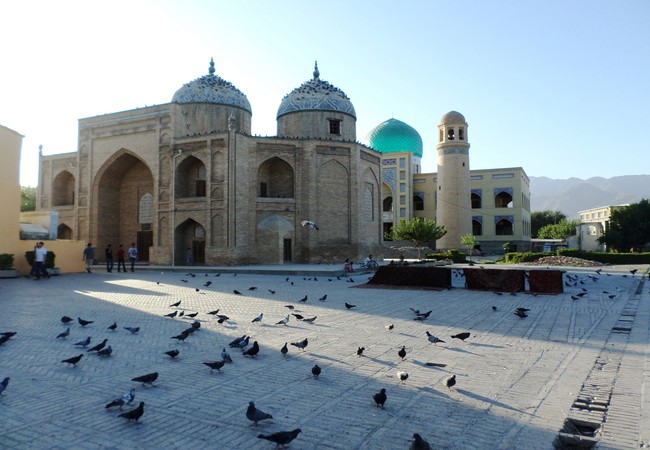
Image: TCA, Aleksandr Potolitsyn
The Trump Administration has decided to go head-to-head with Beijing to secure an independent supply chain for critical minerals and insulate U.S. industries from supply shocks. Among many initiatives, the United States launched Project Vault on February 2 to establish a U.S. Strategic Critical Minerals Reserve. The public-private stockpile is expected to secure essential minerals and metals for U.S. national security purposes and high-technology industries.
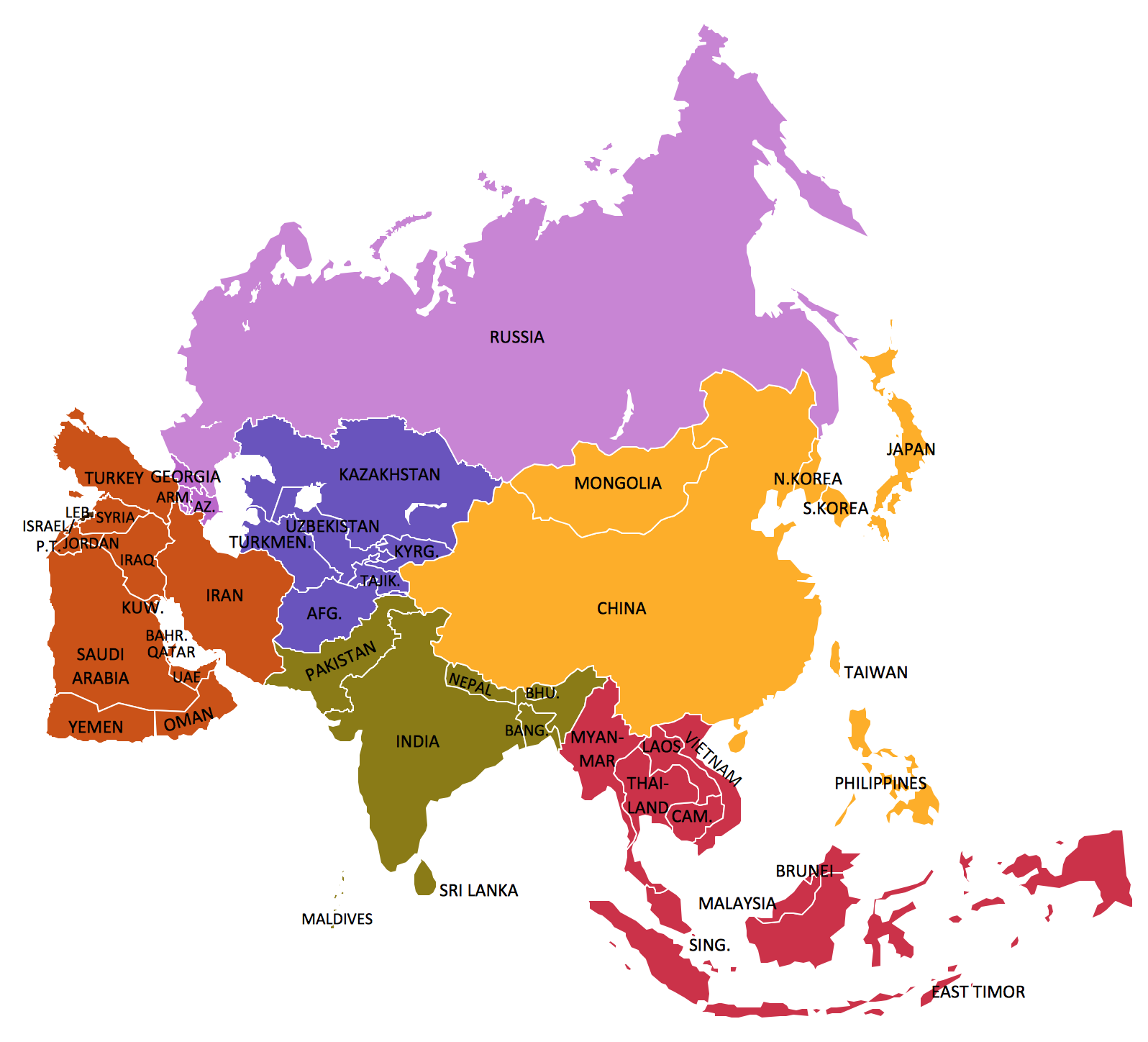
The effort formalizes the U.S. strategy to diversify critical mineral supply chains away from rival China and, in the process, harness broader global capacity. As part of this effort, mineral-rich Central Asia is already factoring heavily in U.S. foreign and economic policy thinking. Participating in the front row of the 2026 Critical Minerals Summit, Kazakhstan and Uzbekistan were invited to engage in Washington’s global effort to build resilient global supply chains. But Project Vault is a critical and separate component of the administration’s focus.
Formally approved by the Exp ort-Import Bank of the United States (EXIM) on February 2, Project Vault will be backed with up to $10 billion in long-term financing and an additional $2 billion in private sector participation. In sites across the country, the initiative will establish stores of critical minerals and rare earth elements essential for aerospace, defense, semiconductors, advanced manufacturing, renewables, and electric vehicles.
The stockpile’s structure will be operated as a public-private partnership that enables manufacturers, trading firms, and private capital providers to jointly participate. Rare earths, copper, lithium, titanium, scandium, gallium, and germanium are all key minerals highlighted by the U.S. Department of the Interior that underpin modern technologies and demonstrate U.S. vulnerability to supply chain disruptions.
Why a Strategic Mineral Reserve?
The initiative is a direct response to perceived risks posed by China’s relative control of global critical mineral supply chains and markets, as well as Beijing’s use of trade restrictions, protectionism, and the weaponization of access to certain critical minerals. China controls a commanding share of the mining, refining, and processing of rare earths and related materials. Due to years of strategic planning and investment, Beijing has leveraged state subsidies and pricing controls to develop and secure between 80%-100% of rare earth processing capacities that have dominated international markets and disincentivized competitors for decades.

Past export controls and export-license restrictions imposed by Beijing have underscored how critical mineral supply can become a tool of geopolitical leverage. China has at times restricted rare earth exports to Japan, Sweden and the United States in what is defined by many as supply-chain protectionism. Such actions can disrupt U.S. production for industries that rely on stable supplies to manufacture semiconductors, defense systems, and clean energy technologies.
Project Vault is, therefore, conceived not merely as a reserve but as a mechanism to stabilize U.S. markets, to reduce reliance on China, and to signal a long-term commitment to diversified supply chains. Much like the U.S. Strategic Petroleum Reserve acts to cushion energy price shocks, the mineral reserve is expected to serve as a similar buffer.
Operational and Financial Dimensions
Project Vault’s financing model expects a return on investment, as private firms will be paying for access and storage, with mining partners benefiting from stable demand. EXIM’s role and risk will come from using government financing to stopgap and underwrite long-term mineral extraction and processing ventures that private capital was unwilling or under-resourced to develop.

However, stockpiling raw materials is not a panacea. Project Vault cannot substitute for the lack of downstream processing and refining, which are still largely concentrated in China. Any true U.S. reorientation will require not just investments in mining, but also in value-additive refining and processing capacities, which are not part of the stockpile initiative.
Central Asia’s Strategic Mineral Potential
While Project Vault focuses first on securing strategic mineral flow and shielding domestic access from global shocks, its ultimate success will depend on a significant diversification of upstream supply. This is where Central Asia can play a key role. Kazakhstan, the Kyrgyz Republic, Tajikistan, Turkmenistan, and Uzbekistan sit atop significant deposits of a wide range of strategic minerals identified as critical by the U.S. Geological Survey (USGS). While the United States began surveying and inventorying the region’s rare earth deposits in 2012, Central Asia didn’t draw significant attention until recently.
Despite Kazakhstan being the world’s largest supplier of uranium since 2009, holding up to half of the world’s supply of tungsten, and Tajikistan producing approximately a quarter of global antimony supply, U.S. supply chains have found the region too remote. However, as Washington has sought greater independence from sole-sourced materials from China, the rare earth and strategic metal deposits found across the region are now seen to represent a significant alternative for U.S. policymakers.
Collectively, Central Asia has deposits of over 25 different minerals that the United States designated as critical. The region is also rich in manganese, chromium, lead, zinc, and titanium reserves that further underscore the region’s strategic value to U.S. industrial and manufacturing interests. Though much of Central Asia’s mineral wealth remains underdeveloped or primarily exported as raw materials to China and Russia, change has appeared on the horizon. Washington’s recent cascade of high-level engagements that involve Central Asia at multiple levels, including an invitation for Kazakhstan and Uzbekistan to attend the 2026 G20 summit, indicates a broader commitment and continued interest in developing strong, long-term partnerships with the region that include but are not limited to extractive mineral development.
From C5+1 to B5+1
Over the past year, the Trump administration has signaled a clear evolution in how it sees Central Asia. Moving deliberately from high-level diplomatic engagement toward more commercially anchored strategies, Washington is working to translate political interest into economic results. This shift is evident in the augmentation of the long-standing C5+1 diplomatic framework to include a series of visits of Presidential envoys focusing on economic engagement and the continued commitment to the B5+1 business platform. The transition reflects a White House belief that Central Asia’s strategic potential cannot be realized through diplomacy alone.

The C5+1, launched in 2015, has served as a principal vehicle for U.S. engagement with the five Central Asian countries. Initially conceived as a consultative forum, it expanded over time as a State Department-led effort to encompass regional security, economic development and reform, energy cooperation, and connectivity. In November 2025, the framework reached a new level of political significance with the first-ever White House summit for C5 leaders. That meeting underscored a continuing and deepening U.S. commitment to the region, with senior leadership engaging bilaterally and regionally on a wide range of issues and shared strategic concerns.
Critical minerals featured prominently in those discussions, as U.S. officials emphasized their own need to diversify global mineral supply chains and reduce dependence on China. Central Asian leaders highlighted the substantial potential of their mining sectors and a corresponding desire to expand economic partnerships beyond traditional ties to China and Russia. The 2024 C5+1 Critical Minerals Dialogue, while once a relevant channel to highlight greater cooperation in the mining sector, has since been significantly supplemented.
Breaking with Diplomatic Tradition
In its desire to speedily ramp up critical mineral procurements, the Trump White House saw too many limits in traditional diplomacy for working with Central Asia. That perspective has driven greater emphasis in the use of Presidential envoys, high-level deal-making events, and the B5+1 mechanism to foster business-focused initiatives designed to create greater ties between U.S. private capital and commercial actors in the region. Organized with support from the Center for International Private Enterprise, the B5+1 is an example of the broader U.S. strategy to mobilize the private sector as a primary engine of economic engagement.
The 2026 B5+1 Forum in Bishkek builds on the inaugural 2024 Almaty meeting and illustrates the thinking behind the Trump administration’s shift. The forum agenda focuses on sectors where strategic interests and commercial opportunities overlap, such as critical minerals, transport and logistics, finance, and technology. By convening U.S. firms, Central Asian companies, and government officials in a single forum, the B5+1 aims to move beyond policy statements toward concrete investment pathways, addressing barriers such as financing gaps, regulatory uncertainty, and infrastructure constraints.
As part of this massive effort, the White House is also catalyzing the Development Finance Corporation (DFC), the United States Trade and Development Agency, and EXIM Bank to promote U.S. critical mineral supply chain security through development and finance efforts aimed at reducing China’s stranglehold on critical minerals. Each agency is expanding its work in Central Asia, bringing financial and technical resources to projects that speed up cooperation in this key terrestrial sector.
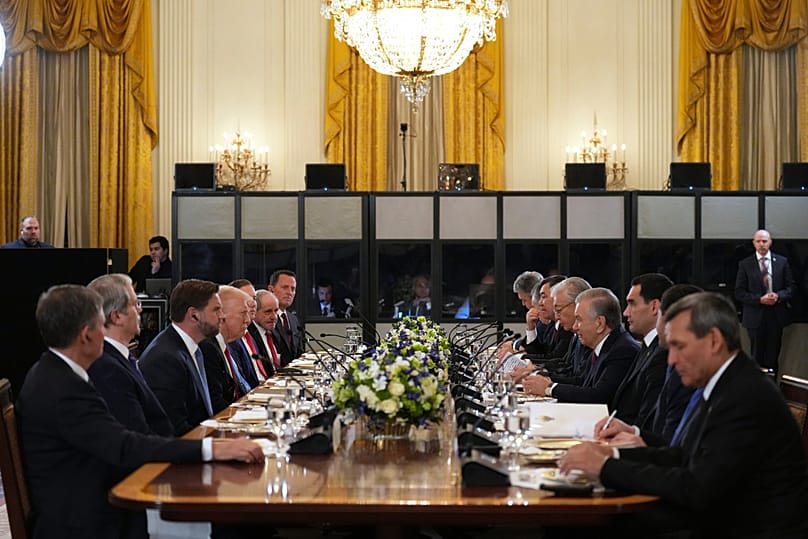
Taken together, the transition from a standalone C5+1 to include a broader platform of concentrated business investment and engagement reflects an administration increasingly focused on operationalizing an implicitly proactive Central Asia strategy. While diplomatic lifting has created a solid foundation to signal political commitment and strategic intent, business-driven cooperation is now Washington’s focus and metric for delivering results. In the context of initiatives like Project Vault, this evolution suggests that Washington now sees Central Asia not just as a geopolitical partner, but as a potential long-term contributor to diversified, market-based supply chains capable of supporting U.S. economic and national security objectives.
From Strategy to Structure
Beyond the Critical Minerals Summit, the launch of Project Vault in 2026 represents a decisive policy shift toward treating U.S. critical mineral supply as an imperative of economic and national security. In doing so, the United States is opening a new chapter in supply-chain diplomacy that recognizes geopolitical risk, technological competition, and the strategic value of diversified resources.
Central Asia’s expansive and underdeveloped mineral wealth positions the region well to become a key partner in this endeavor. Through a panoply of engagement mechanisms, the United States is seeking not only to counterbalance China’s strategic mineral processing and export monopolies but to build resilient collaborations with Central Asia that create interconnected and interdependent, multinational supply chains.

This emerging partnership carries promise for powering future economies, but requires sustained investments, mutually beneficial agreements, and long-term commitments to counter the inevitable shifts in geopolitical currents. If successful, U.S.-Central Asian partnerships could significantly alter the composition of global critical mineral markets by contributing to a more diversified and resilient supply system. Nevertheless, the seeds of cooperation and inter-reliance between the United States and the Central Asian region augur a significantly higher level of trust, partnership, and shared strategic interests.

- Previous Again and Again Looking For Bottom: Bitcoin dives, fueling $2 trillion loss in crypto market value
- Next Will there be East Pakistan :) Pakistan’s growing ties to Bangladesh raise alarm bells in India
You may also like...


Random news
About us
Our Newly established Center for study of Asian Affairs has
branches in Indonesia, Malaysia and Singapore, as well as freelances in some other countries.
For inquires, please contact: newsofasia.info@yahoo.com Mr.Mohd Zarif - Secretary of the Center and administer of the web-site www.newsofasia.net
Polls
 Loading ...