

Taiwanese to Spend Defense Money For Long-range American Munitions, Sea Drones
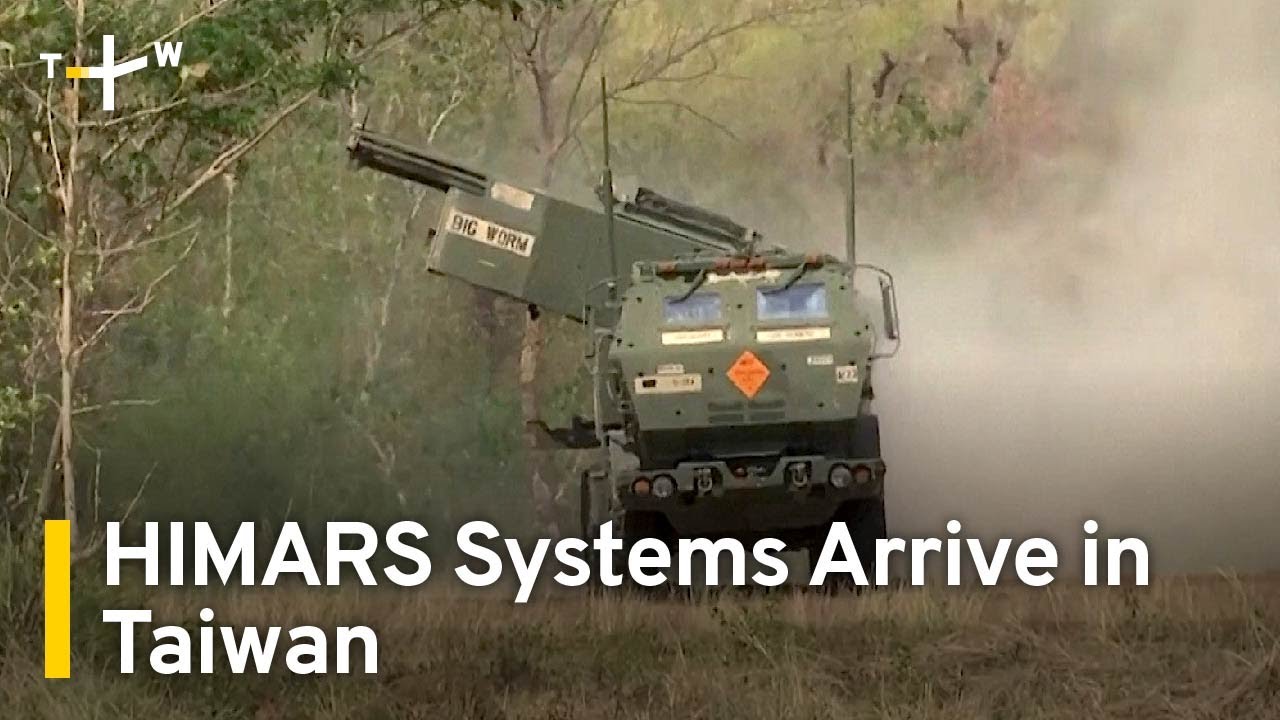
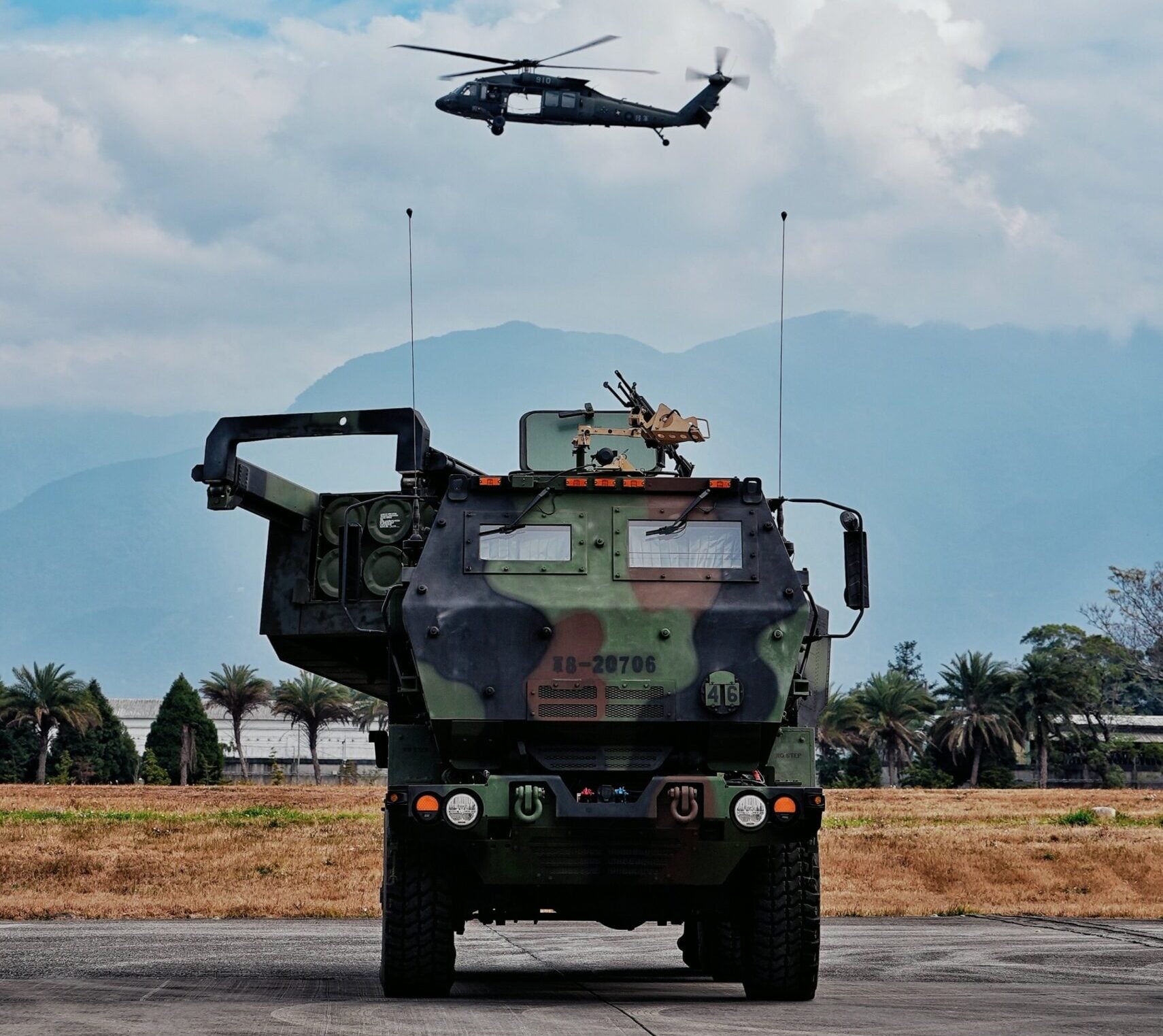
Taipei’s $40 billion special defense budget plan seeks to fund advanced U.S. missiles and sea drones that could prove crucial to countering a Chinese invasion, according to a briefing to Taiwanese lawmakers last week.

The Ministry of National Defense revealed the special budget details Friday, outlining the funding of several American arms packages that were recently cleared by Washington. These U.S. arms include 82 High Mobility Rocket Artillery Systems (HIMARS), 420 Army Tactical Missiles, 7,200 guided multiple launch rocket system missiles, 2,000 Anduril loitering munition drones and 2,500 anti-tank missiles.
The briefing, led by Taiwan Defense Minister Wellington Koo, was held in response to criticism from Kuomintang (KMT) and Taiwan People’s Party (TPP), which currently control the Taiwanese legislature and oppose the ruling Democratic People’s Party (DPP). Since the announcement of the special defense budget, the two parties have refused to review the budget, citing the need for more clarification on the arms sales. Friday marked the eighth time the opposition blocked the bill.
The DPP has urged the passing of the bill to properly equip and prepare Taiwan’s armed forces for a potential Chinese invasion. Many line items identified would bolster Taipei’s long-range strike capabilities, which could prove crucial in disrupting Beijing’s amphibious assault.
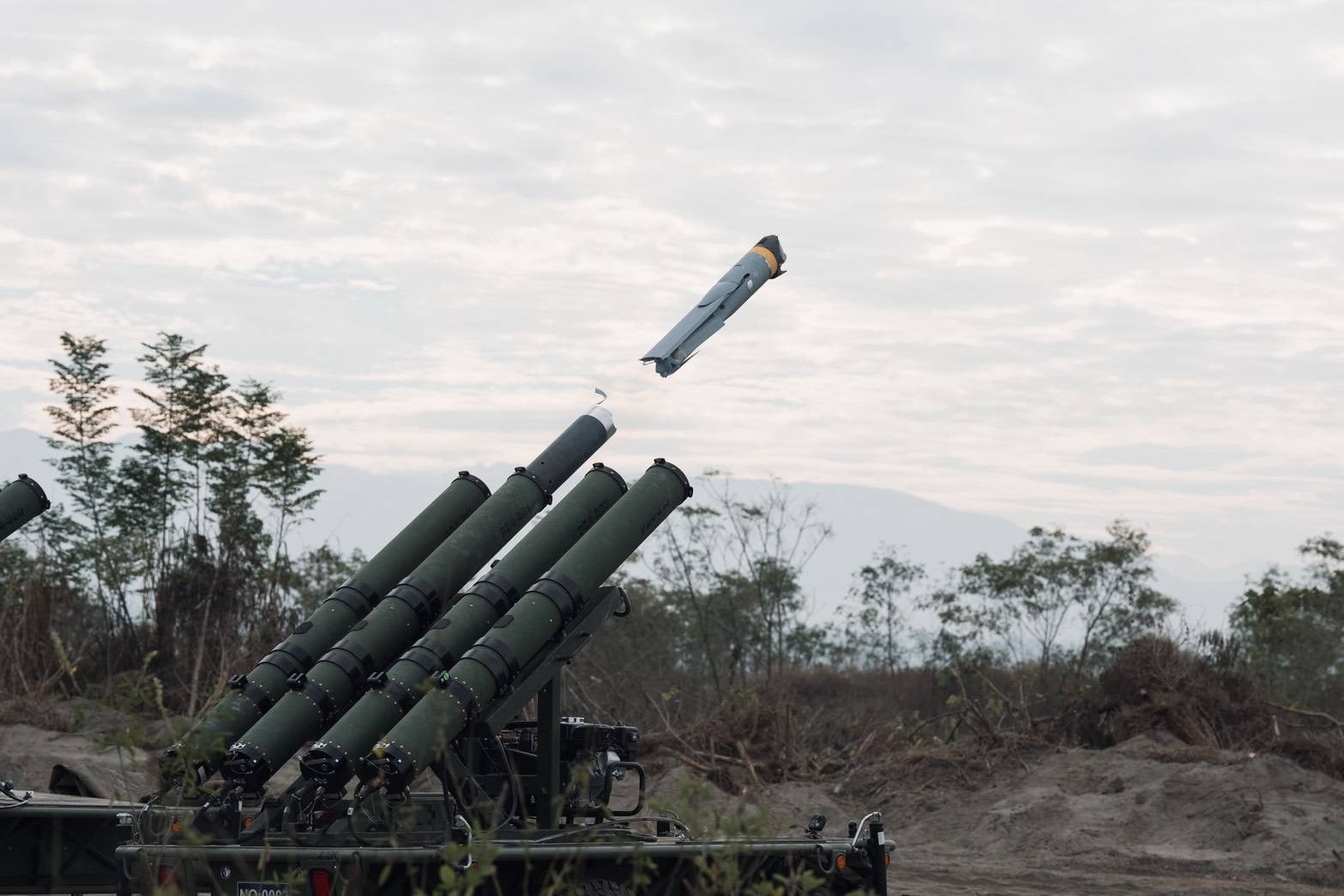
The budget also aims to fund enhanced command and control, military industrial base expansion and joint systems development between Taipei and Washington, according to a graphic released by the Ministry of National Defense. While it is unclear what joint development would occur under this plan, Taiwanese and American firms have collaborated on unmanned systems development and integration in recent years.
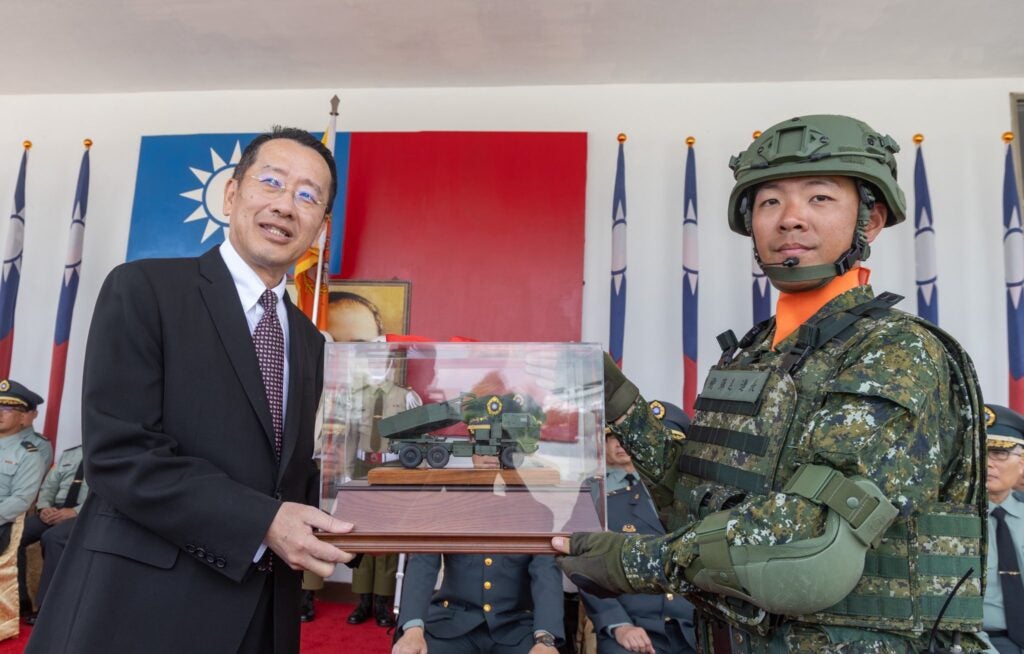
Taiwanese defense officials pitched the systems as a part of a push to introduce broader asymmetric capabilities meant to blunt a Chinese invasion attempt of the island. The missile and loitering munition-focused procurements are a departure from previous requests from the U.S. that prioritized more conventional warships, fighter jets and main battle tanks.
Last month’s Justice Mission drills around Taiwan – an island blockade exercise – were conducted in response to the arms sales, according to Beijing, which circulated state media posters depicting HIMARS and other American-made military equipment. Additionally, a People’s Liberation Army rocket artillery unit conducted live fires against notional Taiwanese HIMARS during Justice Mission 2025.
Beyond the long-range American munitions, Taipei aims to expand a domestic drone program through the special defense budget. The briefing detailed a proposal to procure 200,000 unmanned aerial vehicles and 1,000 unmanned surface vessels (USV), a drastic increase from the 5,000 eyed in the 2025 national defense report. Taipei claims that drones “have become a key part of enhancing the ROC Armed Forces’ asymmetric capabilities in modern combat environments.” The report also highlighted efforts to rapidly introduce USVs for maritime strike and counter unmanned applications against Chinese forces.

- Previous India Gets Tiny Volume of Venezuelan Oil
- Next Kyrgyz Remittance Surge From Migrant Workers In Russia
You may also like...



Random news











About us
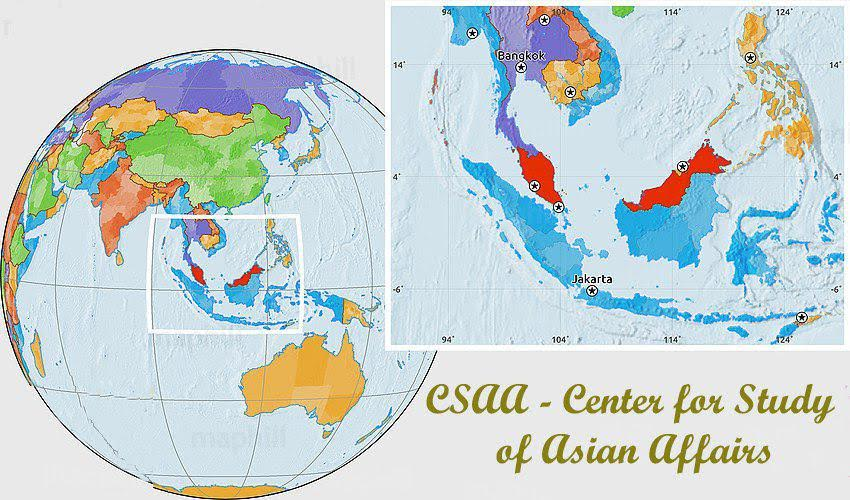
Our Newly established Center for study of Asian Affairs has
branches in Indonesia, Malaysia and Singapore, as well as freelances in some other countries.
For inquires, please contact: newsofasia.info@yahoo.com Mr.Mohd Zarif - Secretary of the Center and administer of the web-site www.newsofasia.net
Polls
 Loading ...