

4th in a 10 years span: China starts building nuclear-powered supercarrier
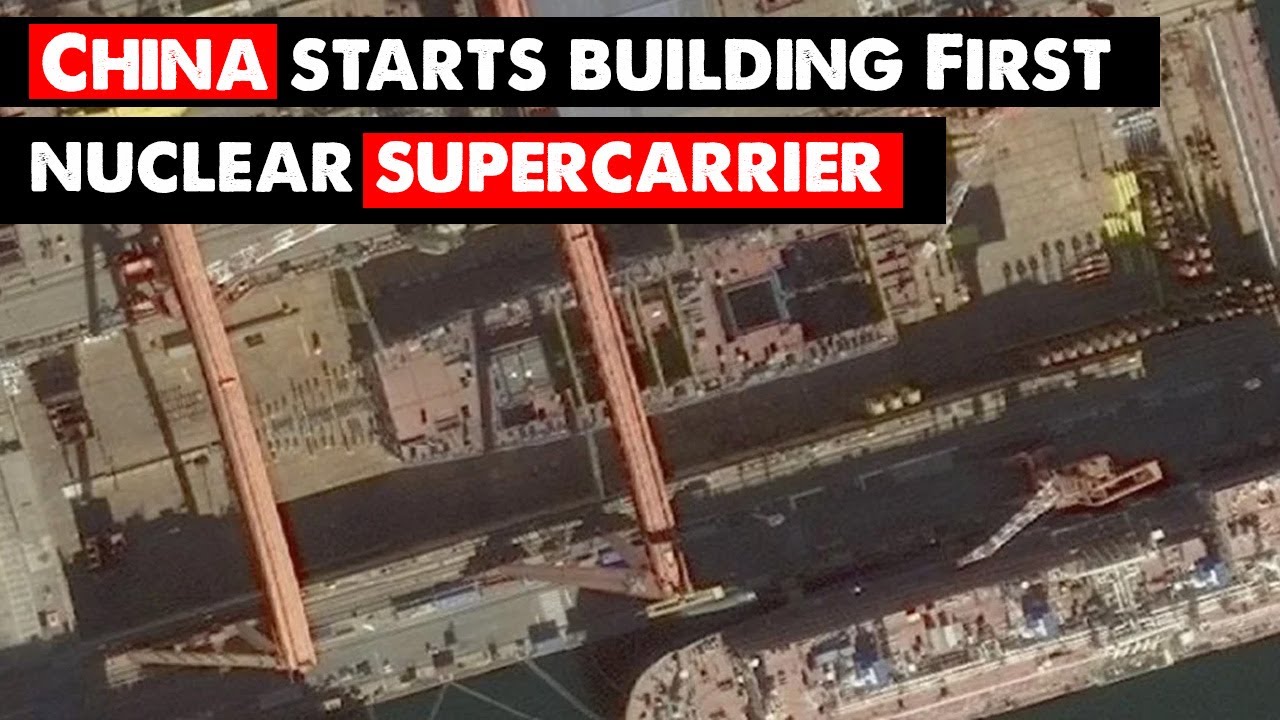

- Satellite imagery analyzed by a Japanese think tank suggests China may have begun building its first nuclear-powered aircraft carrier at a shipyard in Dalian.
- Researchers identified structural frames consistent with reactor containment vessels that were not seen during construction of China’s conventionally powered carriers.
China may have begun construction of its first nuclear-powered aircraft carrier at a major shipyard in northeastern China, according to an analysis of satellite imagery obtained by a Japanese think tank, raising new questions about Beijing’s long-term naval ambitions in the Pacific.
According to the National Institute for Basic Policy Research (NIPPR), satellite images taken at a shipyard in Dalian, Liaoning Province, indicate that work may be underway on what would be China’s first domestically built nuclear-powered aircraft carrier. The institute, chaired by Yoshiko Sakurai, says the imagery shows features consistent with nuclear carrier construction that were not present during the building of China’s previous conventionally powered carriers.
As reported by Japanese media, the construction site belongs to Dalian Shipbuilding Industry Co., Ltd., the same facility where China’s first domestically built aircraft carrier, the Shandong, was assembled. Beginning in February, analysts observed the installation of keel blocks—large wooden supports used during ship construction—stretching more than 270 meters in length, suggesting preparation for a vessel of carrier size.
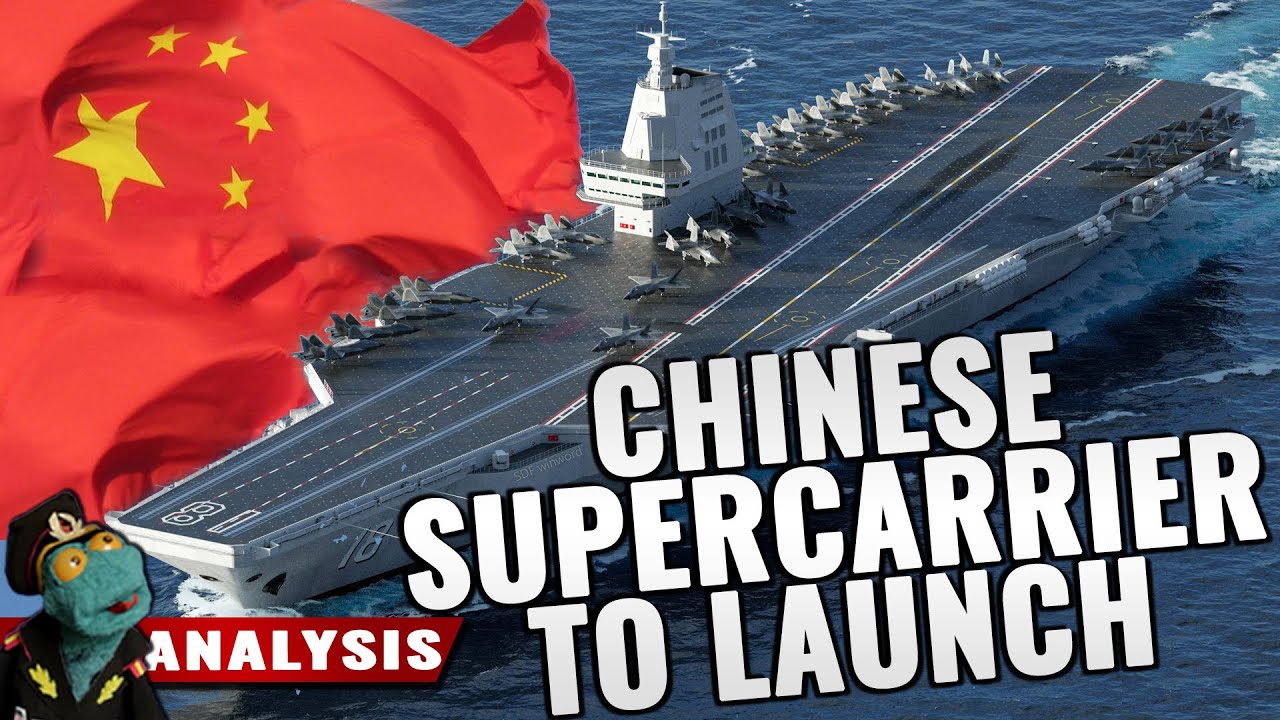
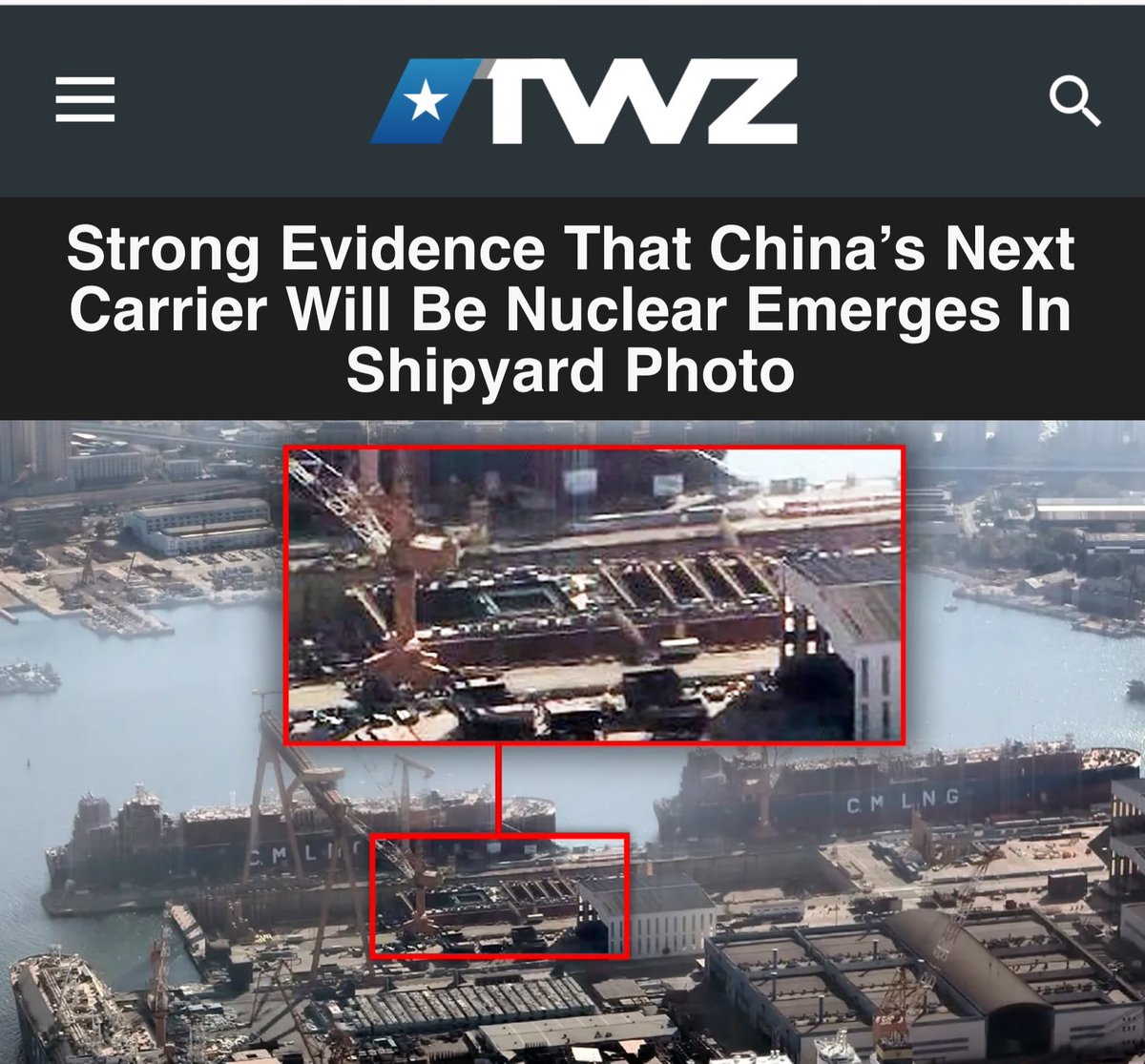
In satellite images dated November 10, a partially assembled hull measuring about 150 meters in length and 43 meters in width is visible inside the dock. Inside the structure, two rectangular frames, each measuring approximately 16 meters by 14 meters, can be seen. According to the report, similar structures were not observed during the construction of the conventionally powered Shandong or China’s third carrier, the Fujian.
NIPPR researchers compared the Dalian imagery with satellite photos of the Newport News Shipbuilding yard in Virginia, where U.S. Navy nuclear-powered aircraft carriers are built. In those images, nuclear carriers under construction consistently show two frames of similar size—about 16 meters by 13 meters—positioned where reactor containment vessels are installed.
Maki Nakagawa, a researcher at NIPPR, said the resemblance is striking. “The size and shape of the frames confirmed in the Dalian shipyard images closely resemble those seen on nuclear-powered aircraft carriers under construction in the United States and are believed to be frames for reactor containment vessels,” Nakagawa said. “The Chinese military could possess an aircraft carrier with capabilities comparable to U.S. carriers by the early 2030s.”
Japan’s Ministry of Defense has previously stated that “there are indications that a future plan to construct a nuclear-powered aircraft carrier exists,” but the institute says it has now obtained satellite imagery that could serve as evidence supporting that assessment.
At the same time, infrastructure expansion is underway at the Chinese navy’s base in Qingdao, Shandong Province, which currently serves as the home port for the carrier Liaoning. According to the analysis, construction is ongoing at the naval base, including the expansion of piers and the building of demagnetization facilities designed to reduce a ship’s magnetic signature. Nearby, a new naval airfield has been established with carrier landing training facilities and hangars for fighter aircraft.
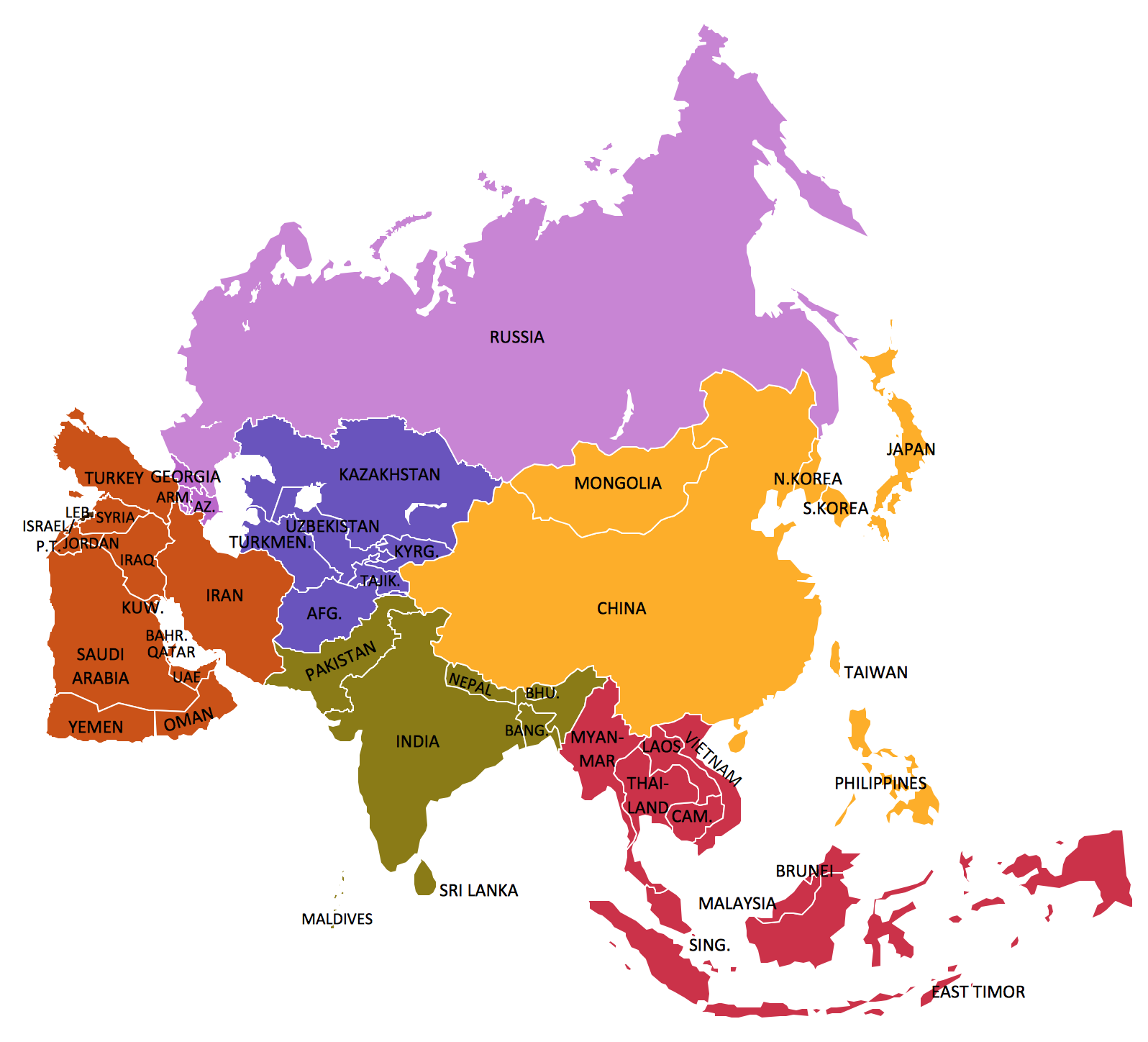
The institute assesses that these developments are likely preparations for the deployment of a fourth aircraft carrier. If Qingdao becomes its home port, Chinese carrier operations through the East China Sea could intensify, extending from the so-called first island chain toward the second island chain in the western Pacific.
China has increasingly conducted naval exercises beyond the first island chain, including operations in the broader Pacific. A nuclear-powered carrier equipped with catapult launch systems would be able to remain at sea for longer periods than conventionally powered carriers such as the Fujian, expanding China’s operational reach.
Nakagawa noted that while China’s current carrier force still lags behind that of the U.S. Navy, the introduction of a fourth carrier could change regional dynamics. “At present, China’s aircraft carrier capability is inferior to that of the U.S. military,” she said. “However, once the fourth carrier enters service, China may further increase its activities around Japan, making constant monitoring and intelligence gathering by the Self-Defense Forces and U.S. forces necessary, and forcing Japan to respond.”

- Previous With Russian or Israeli help!? India develops new stealth cruise missile
- Next Washington approves $11 billion arms sale to Taiwan in 8 weapons-supply contracts
You may also like...






Random news













About us
Our Newly established Center for study of Asian Affairs has
branches in Indonesia, Malaysia and Singapore, as well as freelances in some other countries.
For inquires, please contact: newsofasia.info@yahoo.com Mr.Mohd Zarif - Secretary of the Center and administer of the web-site www.newsofasia.net
Polls
 Loading ...