

550,000 tonnes in 2026: Turkey becomes world’s 2nd-largest olive oil producer
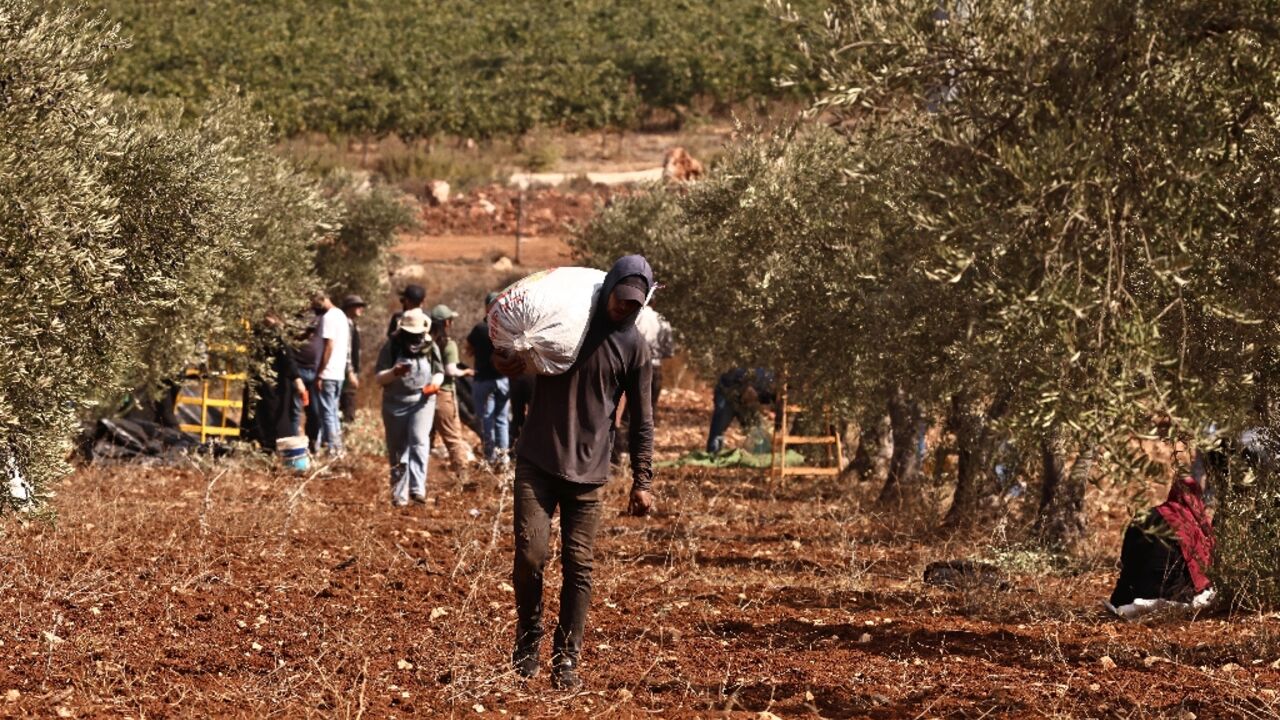

Türkiye leads global export growth in the 2024-2025 season, recording a 132% surge in olive oil exports and positioning itself as a key driver of worldwide trade expansion
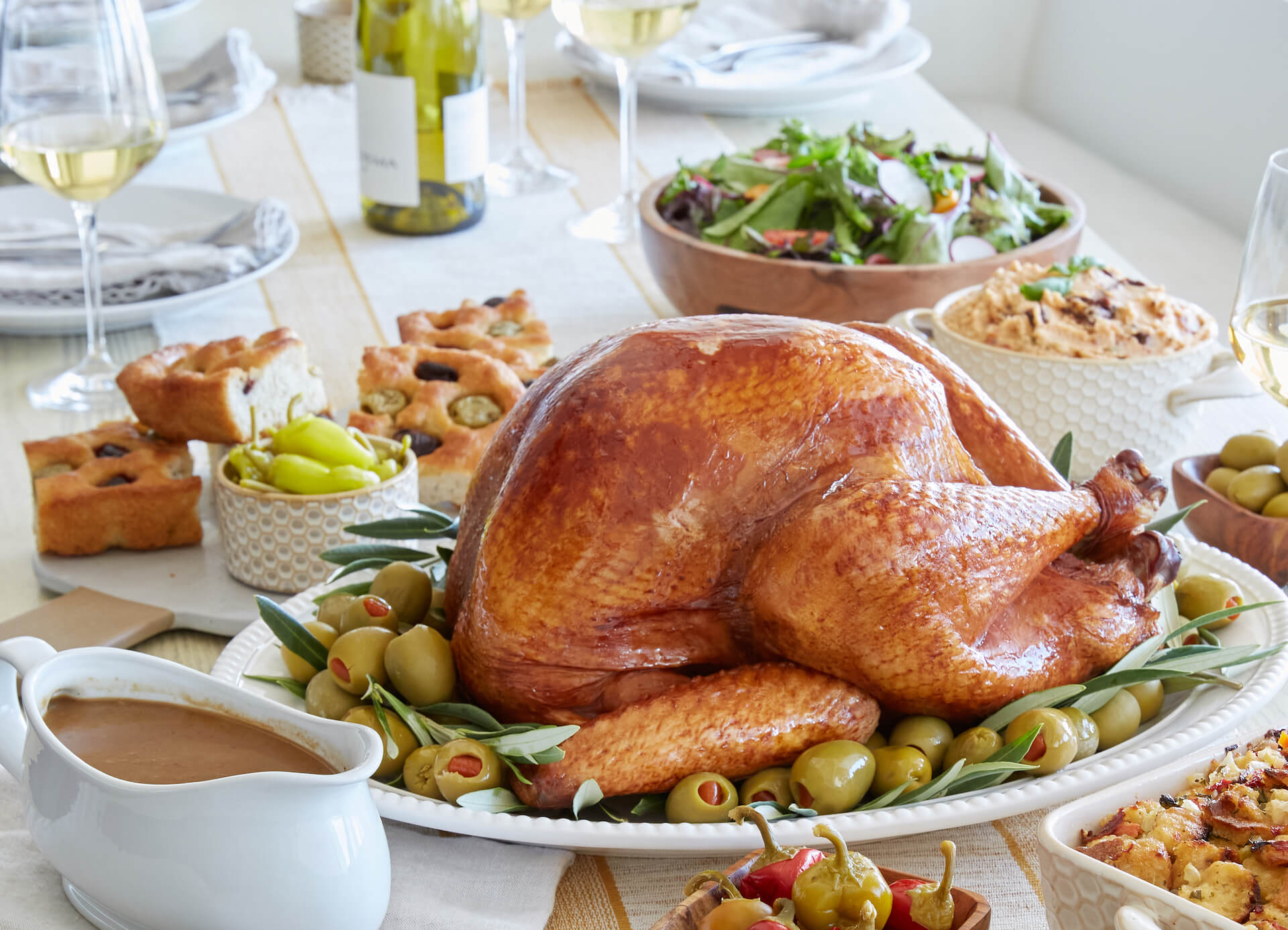
Türkiye has become a leading global player in the olive and olive oil sector, surpassing Italy and ranking as the world’s second-largest producer after Spain.
Jaime Lillo, Director General of the International Olive Council (IOC), headquartered in Madrid, described Türkiye as an indispensable country in the global olive industry.
“Türkiye is a major power in the olive world. When we look at the past five harvest seasons between 2020 and 2025, Türkiye stands as the world’s second-largest olive oil producer, ahead of Italy,” Lillo said.
“Türkiye is growing not only in domestic consumption but also on the international stage. It continues to expand and currently contributes significantly to global health. Türkiye has become a key actor in olive oil.”

Lillo noted that during the 2024-2025 harvest season, Türkiye also became the world’s largest producer of table olives, surpassing Egypt and recording what he described as an “extraordinary harvest.”
He highlighted that global olive oil exports increased by 25% in the 2024-2025 season, with Türkiye making the largest contribution, posting a remarkable 132% rise.
According to Lillo, these figures further strengthen Türkiye’s position as the world’s second-largest olive oil producer. He added that since 2023, Türkiye has been represented within the IOC as deputy executive director and plays an active, dynamic and project-supporting role within the council.
Lillo emphasized Türkiye’s strong contribution through its research centers, particularly in quality improvement, production methods and genetic resources.
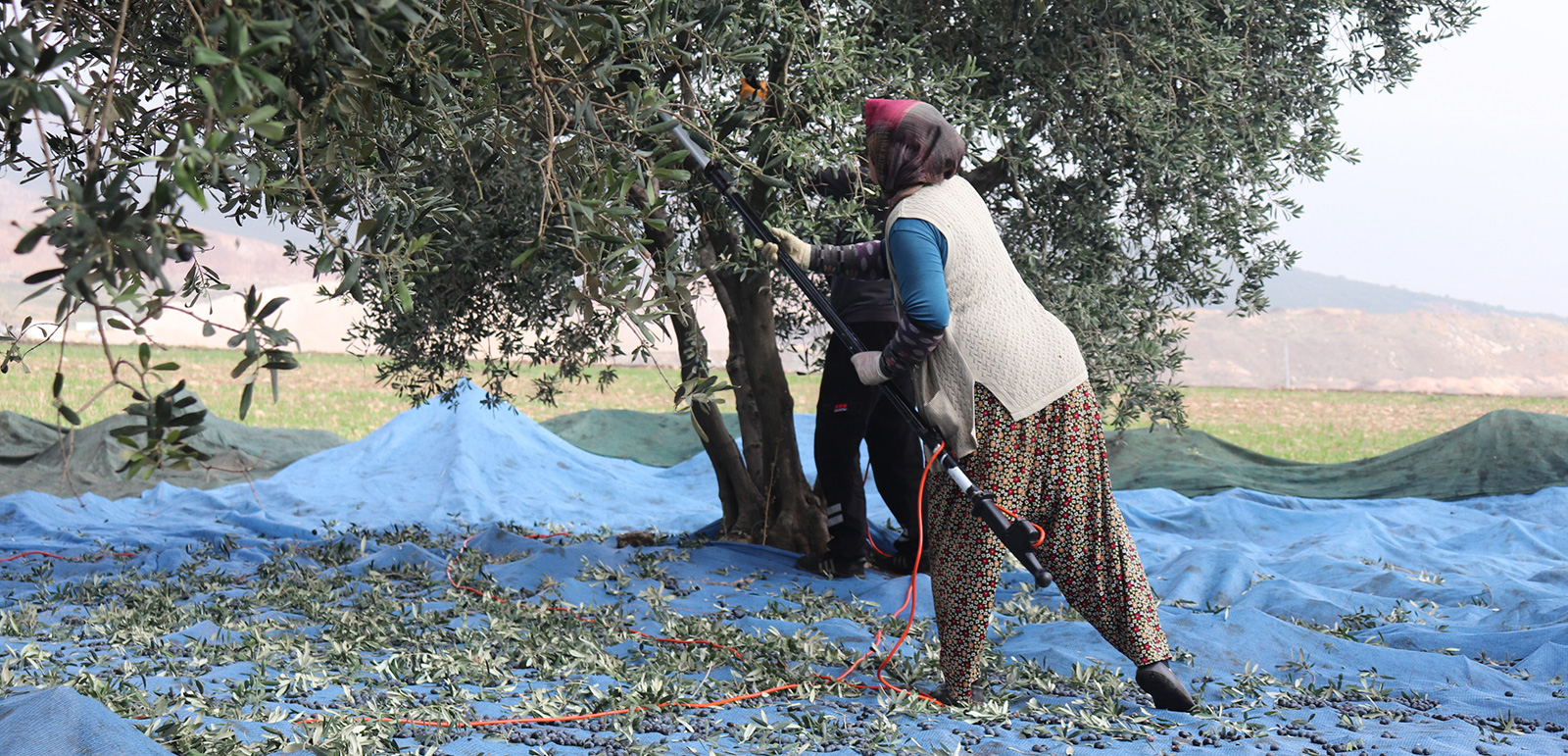
He also pointed to the World Olive Collection and the National Olive Gene Bank in Izmir, western Türkiye, describing them as among the rare facilities of their kind globally and noting their contribution to numerous international studies.
“The IOC seeks solutions to global challenges such as climate change affecting the sector. In this context, Türkiye plays an important role as a major producer and through its research institutions. Projects integrating olive groves into climate change mitigation efforts within Mediterranean culture are areas where Türkiye makes a valuable contribution,” he said.
Lillo stressed that the impact of climate change on the olive sector is undeniable, particularly in the Mediterranean basin.
“Climate change is seriously affecting the Mediterranean region. We had never before seen two consecutive poor harvest seasons. We had observed variability, but never two below-average harvests in a row. The extraordinary price increases seen two years ago had also never occurred before. The climate crisis is real,” he said.
He added that the IOC is working with experts to prepare the sector for the new climate reality, emphasizing his vision of olive trees serving as a Mediterranean forest and a natural carbon sink in the fight against climate change.

Lillo described the COVID-19 pandemic as a turning point for the olive sector. “During a period when the world stopped and people stayed at home, we saw the health value of olive oil gain prominence and consumption rise more than ever before. This increase was observed not only in traditional markets but also in new ones such as the United States, Canada, China and Japan,” he said.
He noted that the number of consumers discovering olive oil’s health benefits has grown significantly, adding that the sector is currently witnessing a major transformation. Traditional olive trees are now being cultivated alongside new-generation varieties as production techniques evolve.
“The olive sector is going through the best period in its history,” Lillo said. “Never before has such a high quantity of exceptionally high-quality olives been produced. This is an excellent period for consumers, and everyone should enjoy it.”
Lillo also said that talks are underway for Syria, which left the IOC during its civil war, to rejoin the council following the start of normalization efforts, noting that the country is traditionally a major olive producer.
Among the IOC’s latest initiatives, he highlighted the first-ever delivery of genetic material from major global olive varieties to the Svalbard Global Seed Vault, as well as a pilot project involving more than 600 farms across 29 countries to measure carbon balance regardless of grove characteristics.
IOC figures reveal that global olive oil production averaged around 3.1 million tons during the 2000-2001 and 2004-2005 harvest seasons, while Türkiye produced approximately 320,000 tons, accounting for 10% of global output.
Türkiye’s olive oil production peaked at 505,000 tons in the 2024-2025 season, representing a 58% increase compared to an average harvest year. For the 2025-2026 season, production is expected to fall to 290,000 tons, a 43% decline year-on-year.
Annual olive oil consumption in Türkiye averages around 170,000 tons, representing 5.5% of global consumption, rising to 200,000 tons in the 2024-2025 season. Per capita consumption is estimated at approximately 2 kilograms.
Türkiye exports an average of 96,000 tons of olive oil annually, with exports surging to 160,000 tons in the 2024-2025 season. For 2025-2026, exports are projected at around 100,000 tons.
Globally, olive oil exports increased by 25% in the 2024-2025 season, with the largest contributions coming from Türkiye (132%), Tunisia (38%), Spain (25%) and Italy (18%).
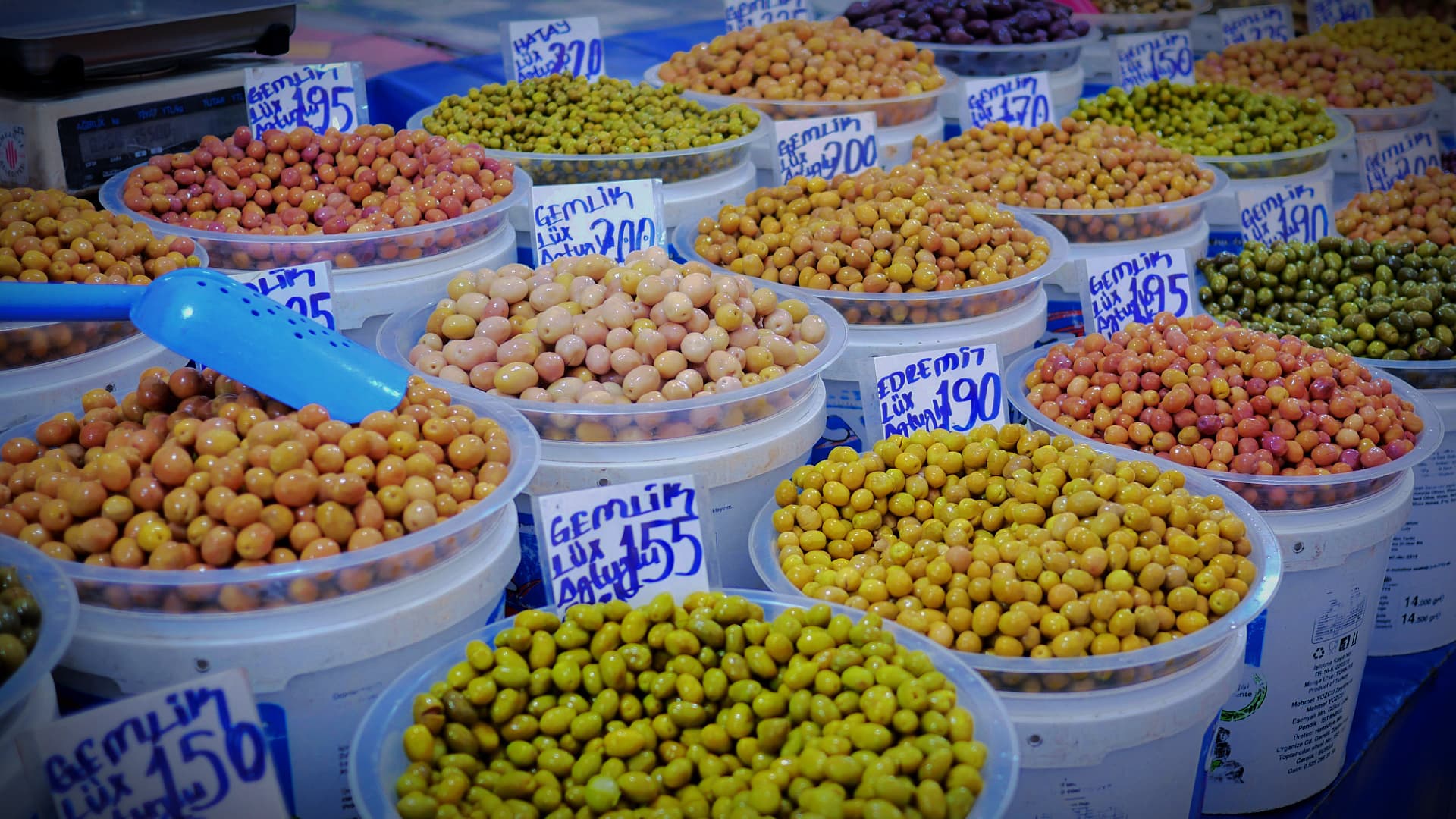
Table olive production reached 3.32 million tons worldwide in the 2024-2025 season, with global consumption rising by 5%. Türkiye led consumption growth with a 13% increase.
For the 2025-2026 season, global olive oil production is forecast at 3.44 million tons, while table olive production is expected to reach 2.99 million tons.
IOC data compiled from more than 1,000 research institutions over the past 20 years show that olive oil reduces the risk of heart disease by 15%, lowers cardiovascular mortality by 23%, cuts breast cancer risk in women by 62%, and also helps reduce risks associated with Alzheimer’s disease and diabetes.

- Previous Xi urges China, Brazil jointly maintain UN’s core role
- Next Apology from US – May be in next century: ‘Insulting and appalling’ – Keir Starmer seeks Donald Trump’s apology over NATO troops comment
You may also like...



Random news




About us
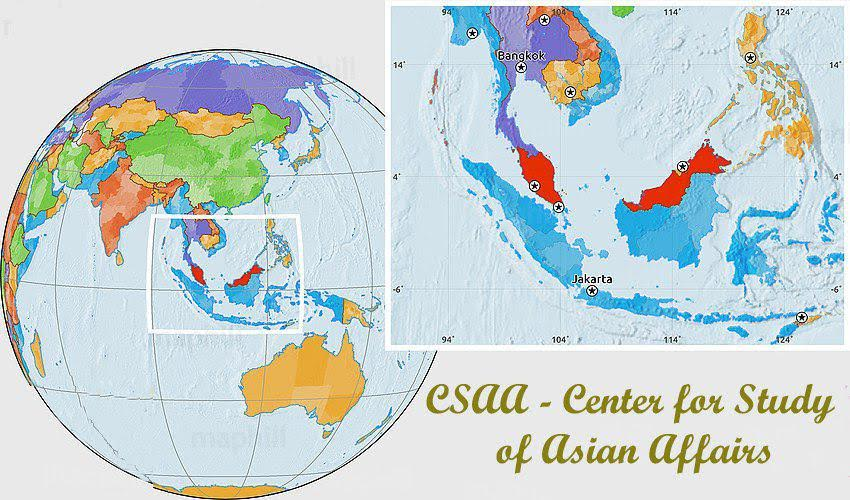
Our Newly established Center for study of Asian Affairs has
branches in Indonesia, Malaysia and Singapore, as well as freelances in some other countries.
For inquires, please contact: newsofasia.info@yahoo.com Mr.Mohd Zarif - Secretary of the Center and administer of the web-site www.newsofasia.net
Polls
 Loading ...