

How Iran’s Crisis and U.S. Policy Impacts the Five Central Asian Nations
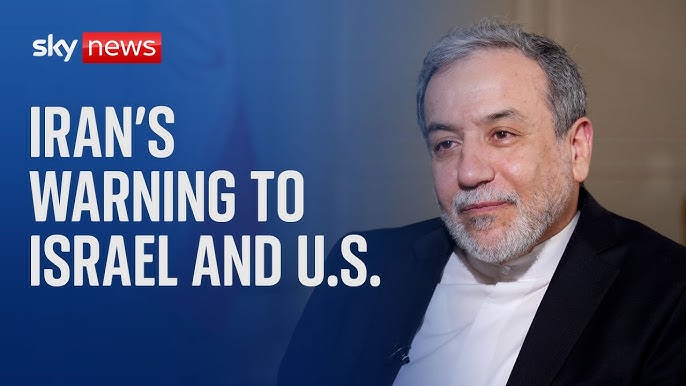
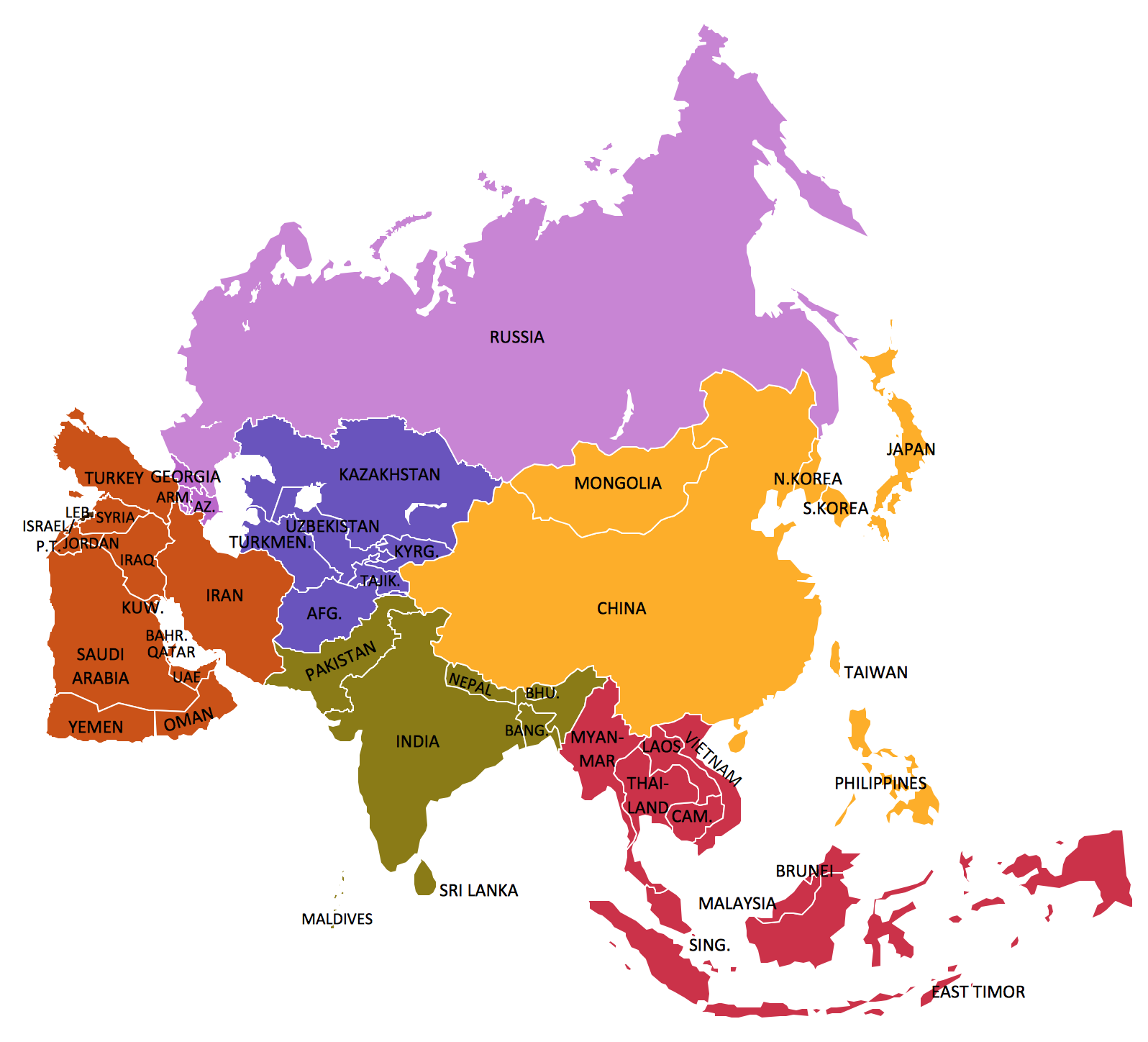
At the end of 2025, Iran once again emerged as a flashpoint on the global political map. Mass protests erupted across the country, fueled by spiraling inflation and economic hardship. At present, the Iranian rial has plummeted to the point where it is effectively worth less than the paper it’s printed on. The current wave of unrest, already the largest and deadliest nationwide unrest Iran has seen since 2022, is not occurring in isolation.
U.S. President Donald Trump has renewed what his administration describes as a policy of “maximum pressure” on Tehran, and his administration is now pursuing what observers have characterized as a strategy of “pushing the falling,” a move aimed at reshaping the political order of the Middle East. What might this mean for neighboring Central Asia?
Tajik political analyst Muhammad Shamsuddinov argues the crisis must be viewed within a broader geopolitical context.

“The situation in Iran is directly tied to Trump’s second-term pressure campaign,” Shamsuddinov said, referencing a string of destabilizing events. “These include the 12-day U.S.-Israel war against Iran and the reimposition of U.N. sanctions in September 2025,” he added, referring to the 12-day June 2025 conflict between Israel and Iran, during which U.S. forces also struck Iranian nuclear facilities. “All of these have deepened the domestic crisis in Iran.”
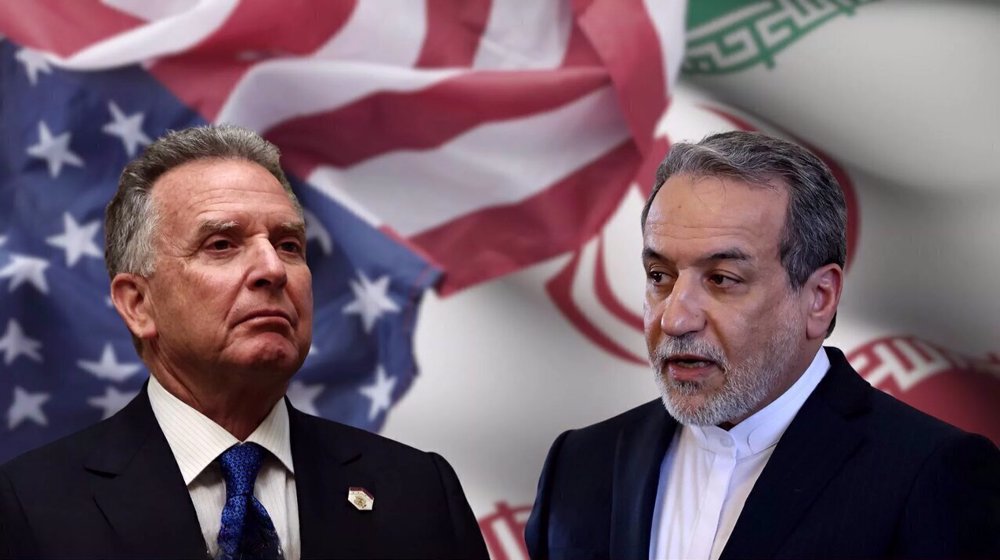
In a further escalation, on January 12, Trump announced 25% tariffs on countries conducting trade with Iran. The move appears targeted primarily at Russia, China, and India – Iran’s largest international partners, but also has implications for Central Asian economies.
In the first nine months of 2025, trade between Kazakhstan and Iran grew by nearly 45%, reaching $310.8 million. Tajikistan, which maintains the closest economic ties to Tehran among Central Asian states, reported trade worth $430.7 million in the first eleven months of 2025, an increase of 28% over the same period in 2024.
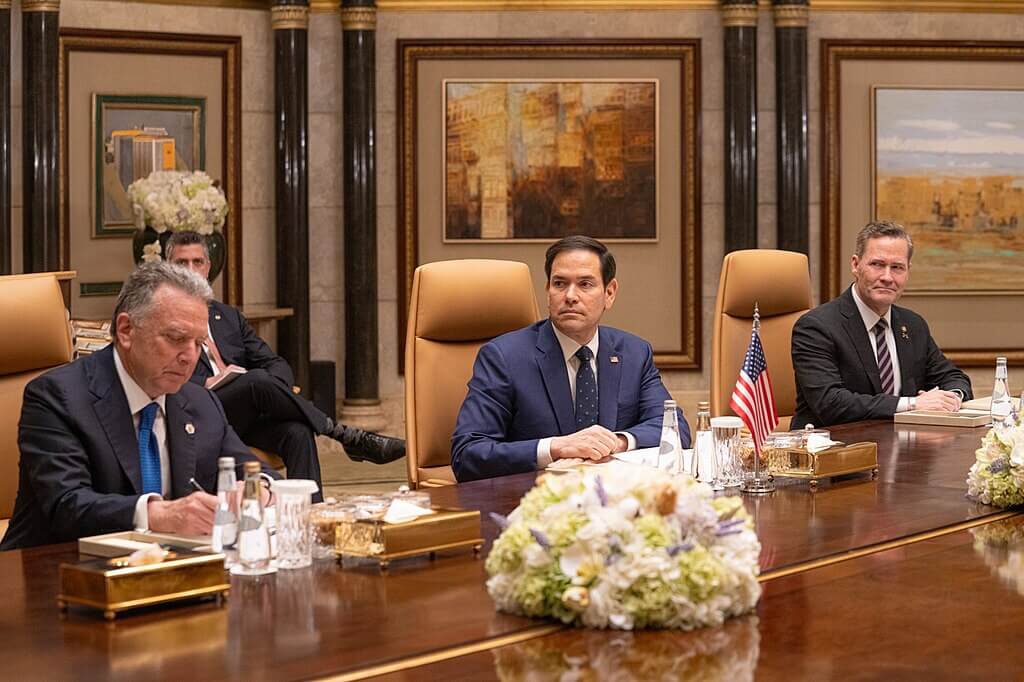
Uzbekistan, while less directly exposed to Iran than Kazakhstan or Tajikistan, has also moved cautiously in recent years to expand trade links with Tehran, making it sensitive to further sanctions pressure. Turkmenistan, meanwhile, faces its own exposure through gas swap arrangements involving Iran, which could become collateral damage of escalating regional tensions.
Iranian investments in Tajikistan are also substantial. Among the most prominent projects is the Sangtuda-2 hydroelectric power plant, estimated at $256 million. The Iranian government contributed approximately $180 million, with an additional $36 million from an Iranian contractor. The remainder was financed by Tajikistan.
According to official data, roughly 160 companies with Iranian capital are currently operating in Tajikistan across multiple sectors. In Kazakhstan, around 650 Iranian companies are registered, with over 350 operational, primarily in manufacturing, infrastructure, and agriculture.
By contrast, trade between Iran and Russia, a strategic partner since the signing of a bilateral cooperation agreement in January 2025, increased by only 8% in the first nine months of 2025, according to official figures. Despite modest growth, Russian analysts view the figures optimistically.
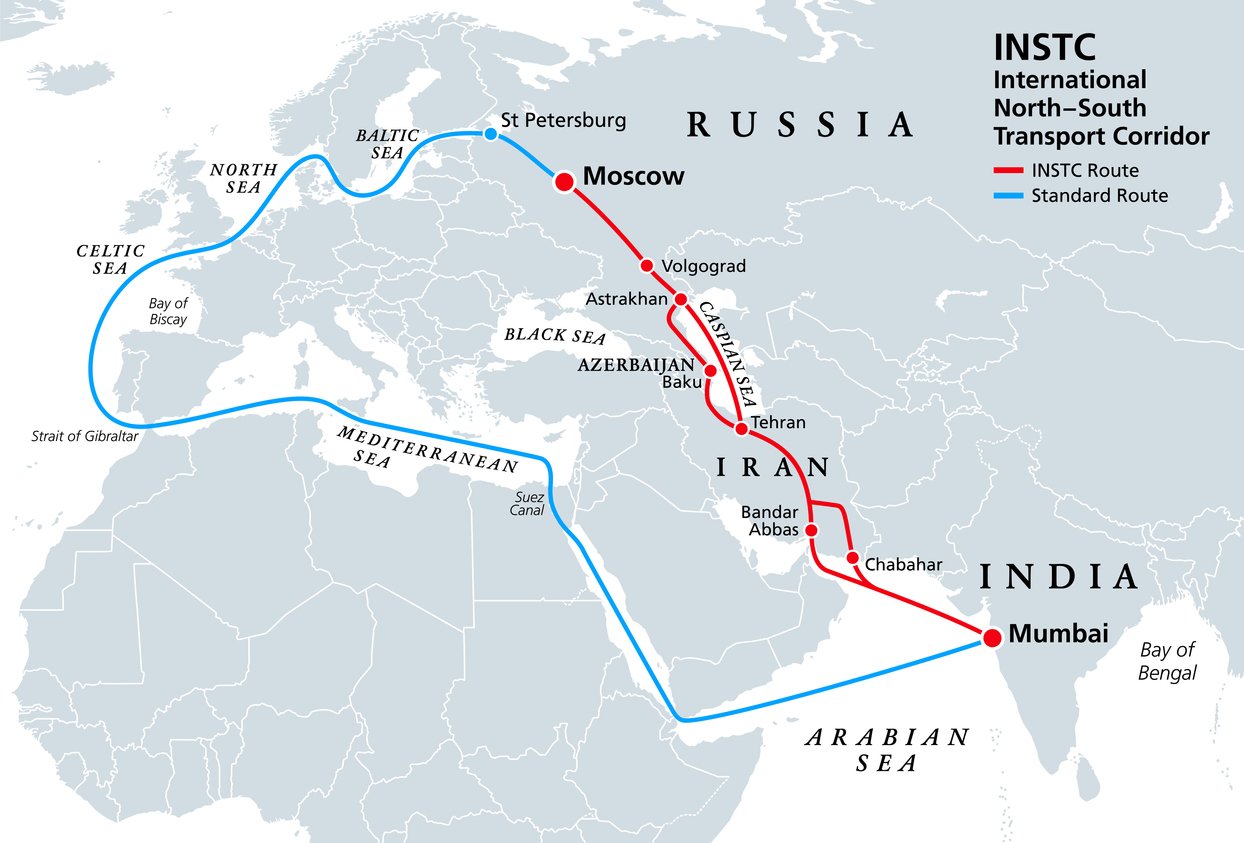
“Growth is happening under challenging geopolitical conditions, with sanctions, logistical restructuring, and financial hurdles,” said Farhad Ibragimov, a political analyst at the Faculty of Economics of the Peoples’ Friendship University of Russia. “The North-South transport corridor linking Russia, Iran, and India offers a strategic advantage by reducing shipping costs and transit times compared to the Suez Canal.”
Inside Iran, the government has reportedly shut down internet access nationwide, aiming to prevent coordination among protest groups. Whether this move will succeed in quelling the unrest remains uncertain.
Georgian Middle East analyst Vasiko Papava believes the standoff has reached a critical impasse. “There is no clear path to victory for either side. Both the regime and the protest movement possess significant resources, but each also faces existential threats,” he said.
“In this case, ‘victory’ means the ability to define the country’s future narrative, not necessarily defeating the opponent outright,” Papava added. He forecasts a painful and protracted transformation: “The regime could morph into a military dictatorship cloaked in Islamic rhetoric, led by IRGC-linked technocrats. Conversely, a popular movement might erode the regime’s legitimacy over time through sustained civil disobedience.”
Beyond immediate economic and security concerns, Iran’s turmoil is also being interpreted in Central Asia through a broader lens of alliance fatigue and declining great-power credibility. For ordinary citizens, Iran’s crisis, following Venezuela’s turmoil after the U.S. armed intervention and capture of its president, signals something more personal: a visible decline in Moscow’s regional influence. As Russia loses key allies, countries such as Kazakhstan and Uzbekistan are witnessing a rise in anti-Russian sentiment, adding volatility to domestic politics.
Notably, Russia’s own state media has contributed to these sentiments. Their increasingly belligerent rhetoric has drawn more public attention in Central Asia than the unfolding events in Iran itself, underscoring the region’s growing unease with the Kremlin’s messaging and its geopolitical consequences.


- Previous Waiting Since 1963: Turks wants stills EU membership after 63 years waiting
- Next One more try at tough times: Japan-South Korea summit to discuss economy and regional challenges
You may also like...


Random news


About us
Our Newly established Center for study of Asian Affairs has
branches in Indonesia, Malaysia and Singapore, as well as freelances in some other countries.
For inquires, please contact: newsofasia.info@yahoo.com Mr.Mohd Zarif - Secretary of the Center and administer of the web-site www.newsofasia.net
Polls
 Loading ...