

India, out of fear, gives back to Iran Chabahar port stakes over Trump’s tariff threat

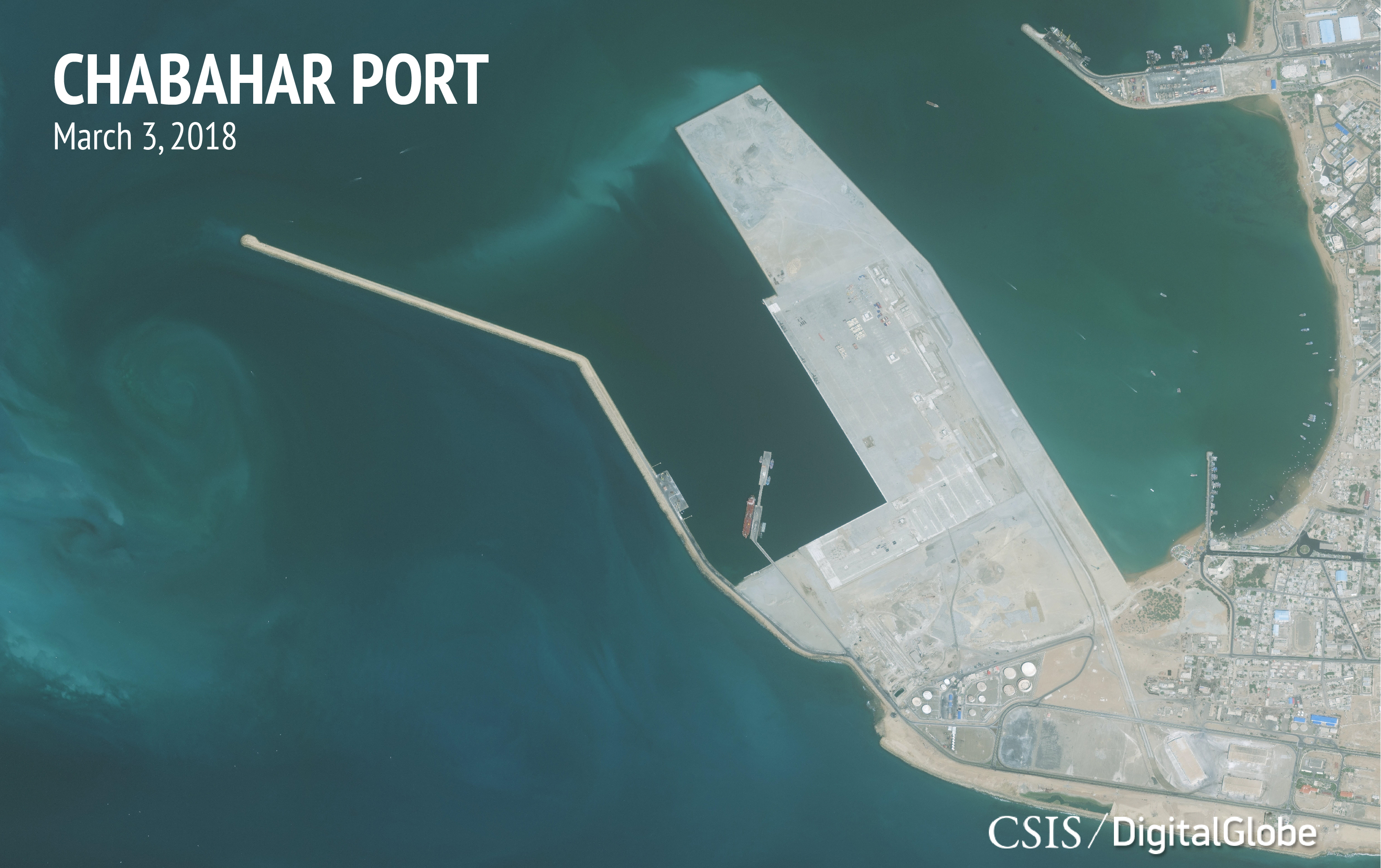
NEW DELHI: Responding to renewed US sanctions, India transferred approximately $120 million to Iran to fully liquidate its financial commitment for developing Chabahar port, a key gateway to landlocked Afghanistan, The Economic Times said on Friday.
A government source stated that India now has “no liability” in its commitment and that Iran is free to use the funds independently.
In October last year, India was granted a six-month exemption from US sanctions on the port. New Delhi and Tehran signed a contract to develop and equip the long-stalled Chabahar project in 2024, giving India 10 years of access.
Following the reimposition of sanctions, the state-owned entity India Ports Global Ltd (IPGL) effectively exited the project.
Government directors resigned en masse, and its website was taken down to “insulate everybody associated with the port from potential sanctions”. A government source concluded, “India has no choice but to exit the Chabahar port”.
The collapse followed US President Donald Trump’s January 12, 2026, warning that any country doing business with Iran would face a 25 per cent tariff on all business with the United States.
The decision, say officials, was driven by a stark cost-benefit analysis under immense US pressure. Combined with existing punitive tariffs, this could have raised total duties on Indian exports to the US to as high as 75pc.
The value of protecting Chabahar (with bilateral India-Iran trade at about $1.68 billion) paled in comparison to the risk of losing access to the US market.
The US had already crippled the project by reimposing sanctions on the port effective September 29, 2025. India’s transfer of funds and operational wind-down were designed to secure a temporary six-month sanctions exemption from the US Office of Foreign Assets Control (OFAC). This was a tactical move to avoid secondary sanctions on Indian entities.
Indian officials sought to downplay the direct trade impact, noting that Iran is not among India’s top 50 trading partners, accounting for only about 0.15pc of India’s overall trade.
This made the strategic project easier to sacrifice in the face of a broader US trade confrontation.
Sources said that with the Taliban’s rise in Afghanistan diminishing Chabahar’s primary utility as a gateway, and with Iran facing internal unrest, the project’s strategic returns appeared increasingly uncertain.
The decision reflects a pragmatic, if reluctant, prioritisation of immediate economic security with the US over long-term regional connectivity goals.
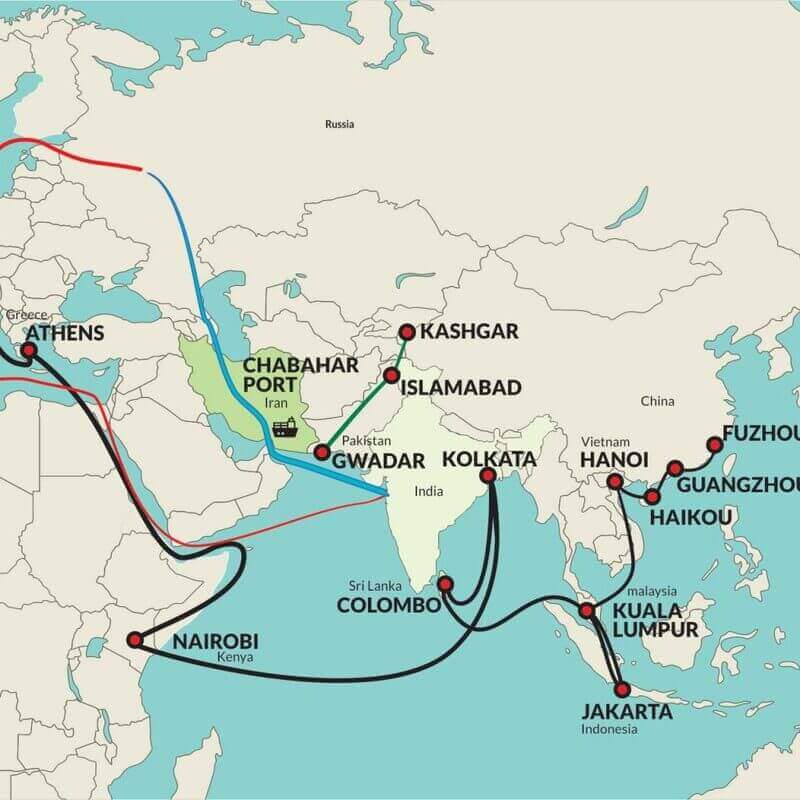
With the surrender, India loses a critical gateway to Afghanistan and Central Asia that allowed it to bypass Pakistan, undermining years of diplomatic and financial investment aimed at expanding regional influence.
The episode also starkly reveals the limits of India’s “multi-alignment” policy. When confronted with a direct clash between US demands and its partnership with Iran, India chose to capitulate to Washington, potentially damaging its credibility as a reliable, independent strategic partner, analysts say.
There’s a view that India’s withdrawal creates a vacuum in Chabahar’s development that China, with its deeper pockets and greater willingness to defy US sanctions, is well-positioned to fill. This could further expand China’s influence in the Indian Ocean region.
While the overall trade volume with Iran is small, specific sectors like basmati rice exports (where Iran is India’s largest market) face immediate disruption due to payment delays and shipment uncertainties, reports said.
India’s business sources say the apparent “flip-flop” on Chabahar is not a capricious policy change but a forced retreat.
It underscores a painful reality: when confronted with a binary choice between safeguarding its vital economic ties with the United States and preserving a strategically important but economically secondary project with Iran, New Delhi will prioritise the former.
The move secures short-term economic relief but at the cost of a long-term strategic vision, highlighting the persistent vulnerability of middle powers in an increasingly polarised world order.

- Previous Trump to mediate Egypt-Ethiopia dispute on Nile River and Grand Ethiopian Renaissance Dam
- Next Ukrainian Junta Strikes Hurt Feeding Hand of EU: Security Risks Around Kazakhstan’s Oil Exports Ripple Through European Markets
You may also like...


Random news




About us
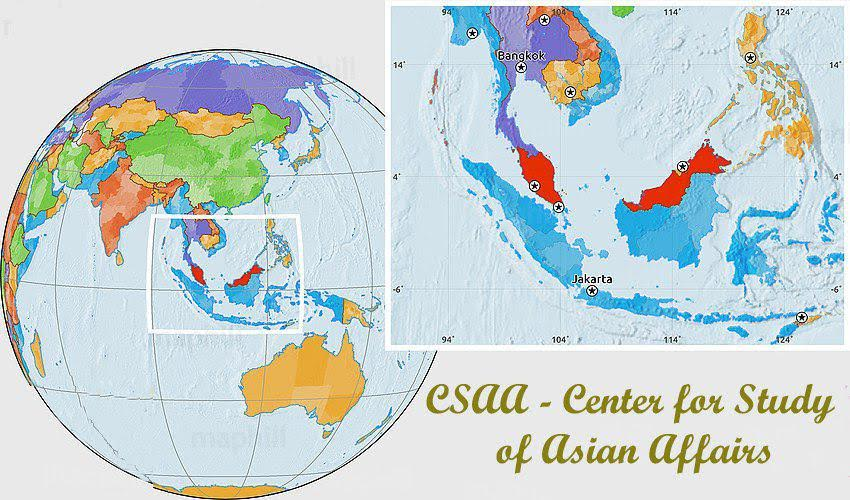
Our Newly established Center for study of Asian Affairs has
branches in Indonesia, Malaysia and Singapore, as well as freelances in some other countries.
For inquires, please contact: newsofasia.info@yahoo.com Mr.Mohd Zarif - Secretary of the Center and administer of the web-site www.newsofasia.net
Polls
 Loading ...