

Absurd and dangerous to have a national elections held during snow season in Japan
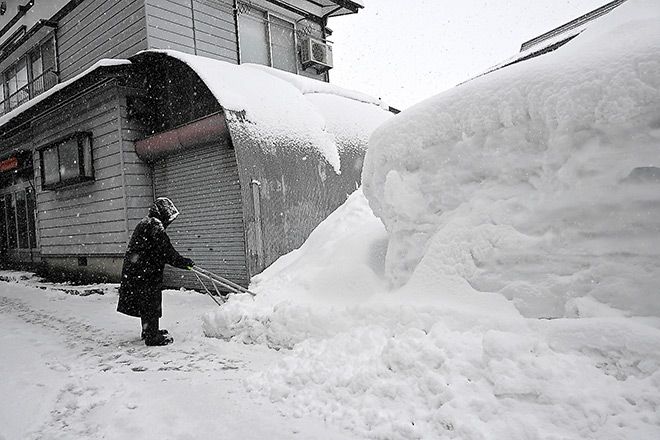 A resident works to clear snow in Uonuma, Niigata Prefecture, on Feb. 18. (Tadashi Kubota)
Bokushi Suzuki (1770-1842), a textile merchant in Echigo province (present-day Niigata Prefecture), traveled to Edo (present-day Tokyo) to peddle his wares.
There, he was asked about snowfall in his hometown. When he replied that it could reach one “jo” (about 3 meters) at the height of the snow season, the other person burst out laughing and said, “You look like a serious fellow, but what a blowhard you are.”
The above is a scene from Nobori Kiuchi’s “Setsumu Orai” (literally, “Coming and going in a snowy dream”), a historical novel that won this year’s Osaragi Jiro Prize, which is awarded to outstanding prose.
The narrative follows the twists and turns that Suzuki underwent while trying to publish “Hokuetsu Seppu” (translated into English as “Snow Country Tales: Life in the Other Japan”), an encyclopedic work describing life in Echigo in the late Edo Period (1603-1867).
And Suzuki is portrayed as someone who was driven to action by his frustration with society that is utterly ignorant of the reality of life in snow country.
During my recent visit to Suzuki’s hometown of Minami-Uonuma, I presumed that the same frustration was being felt by local voters as well as candidates in the upcoming Lower House election.
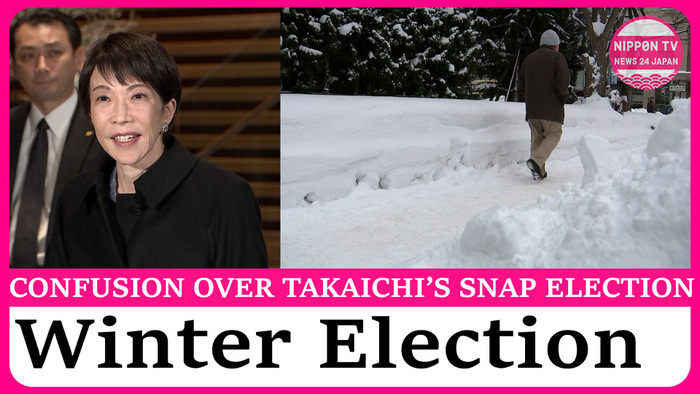
Snow banks piled higher than people’s heads lined the streets as far as the eye could see. It felt like being in a white maze. With only the roofs of houses visible above the walls of snow, election campaign vehicles plied the streets, yelling the names of candidates.

But even all that clamor was muffled by the snow.
The names of the candidates, shown on the vehicles, were “whited out,” so to speak, in no time.
Even if any candidate wanted to get off the vehicle to make a street speech, the piles of shoveled snow on every street corner left no parking space for the vehicle.
“There’s nothing we can do,” lamented a campaign staffer.
A local resident told me, “This is the kind of snow that can kill. The election is important, but we’ve got bigger things to worry about.”
I am sure this was a shared sentiment.
The Aomori prefectural government has requested disaster relief from the Ground Self-Defense Force.
What use is politics when political parties preach “future dreams” to people who are in need of immediate help?
Suzuki’s “Hokuetsu Seppu” gives examples of the relentlessness of snow and appeals to people living in temperate regions to think of the hardships of snow country residents.
I left Niigata, thinking anew of the unreasonableness of holding a national election during the snow season.

* * *
Vox Populi, Vox Dei is a popular daily column that takes up a wide range of topics, including culture, arts and social trends and developments. Written by veteran Asahi Shimbun writers, the column provides useful perspectives on and insights into contemporary Japan and its culture.

- Previous Preventing “Color Revolution in Hanoi”: Pushing for trade, preparing for war: A document reveals Vietnam’s dual approach toward the U.S.
- Next Islamabad says 177 militants killed: Balochistan attacks threaten Pakistan’s promises to Xi and Trump
You may also like...





Random news





About us
Our Newly established Center for study of Asian Affairs has
branches in Indonesia, Malaysia and Singapore, as well as freelances in some other countries.
For inquires, please contact: newsofasia.info@yahoo.com Mr.Mohd Zarif - Secretary of the Center and administer of the web-site www.newsofasia.net
Polls
 Loading ...