

Beautiful Japan: Hokkaido’s ‘sea of clouds’ at ski resort
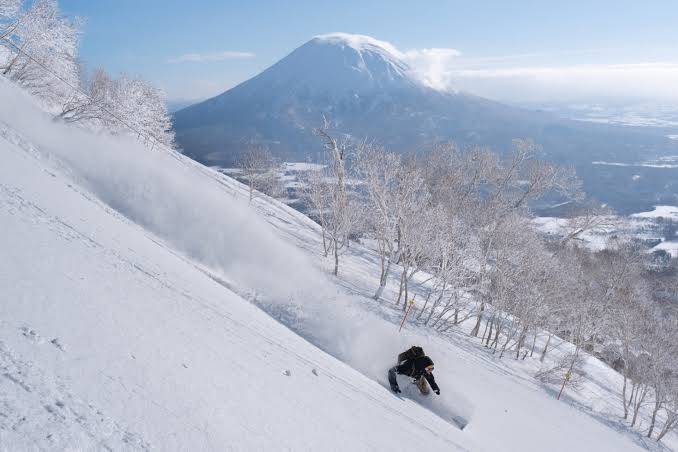
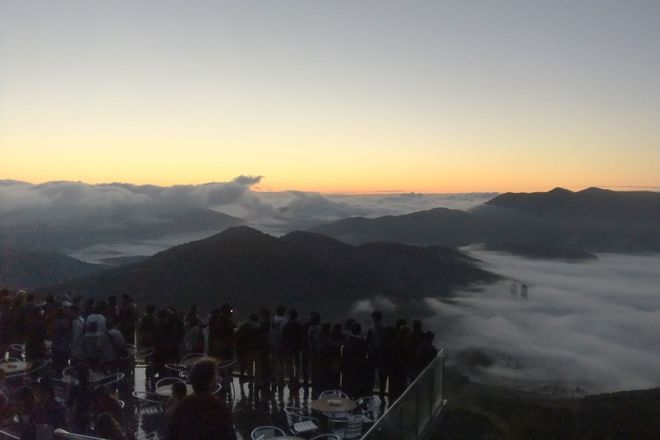 The first shot from Kazuhito Suzuki’s photo series of “the most memorable sea of clouds” of the view over the Tomamu district of Shimukappu, Hokkaido, right, and a wave of clouds washing over from the Pacific Ocean on Oct. 2, 2012 (Provided by Kazuhito Suzuki)
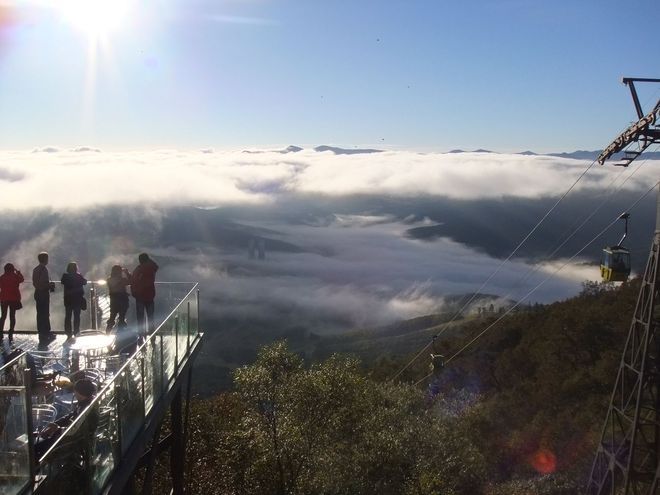
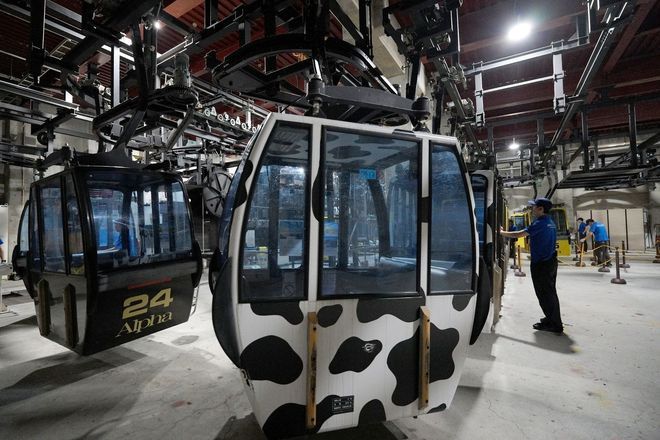
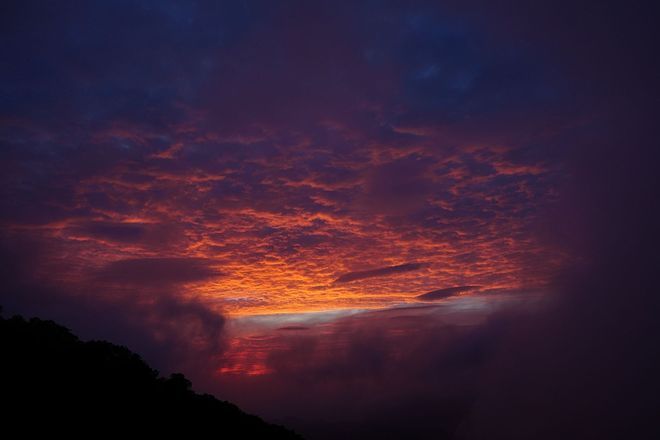
SHIMUKAPPU, Hokkaido—What began as a trial project created by maintenance staff 21 years ago to let nature’s glory speak for itself remains a tourism lodestar for a ski resort here during the off-season months.
Unkai Terrace at Hoshino Resorts Tomamu sits 1,088 meters above sea level near the top of Mount Tomamuyama. The expanse of clouds drifting below attracts 150,000 visitors each year, which surpassed a cumulative total of 2 million as of July 29.
Along with a cafe are seven observation spots throughout the attraction that each have a different design quirk for taking in the view, including bench swings and a deck resembling a giant hammock inspired by the clouds below.
This current iteration and the terrace’s ongoing success are a far cry from the initial project, which began to counter revenue losses during the off season.
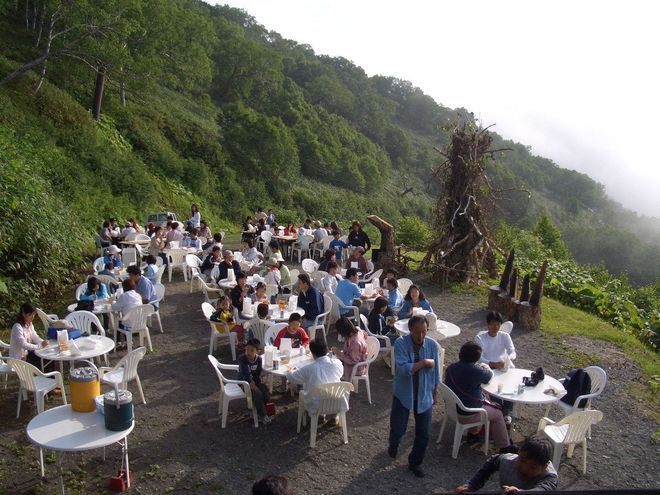
In summer 2005, the maintenance staff in charge of gondolas and chairlifts who came up with the idea opened Yama no Terrace (Terrace on the mountain) on a trial basis.
The initial terrace was a simple arrangement of chairs and tables on a pebbled path. Staff also underwent customer service training and began welcoming visitors.
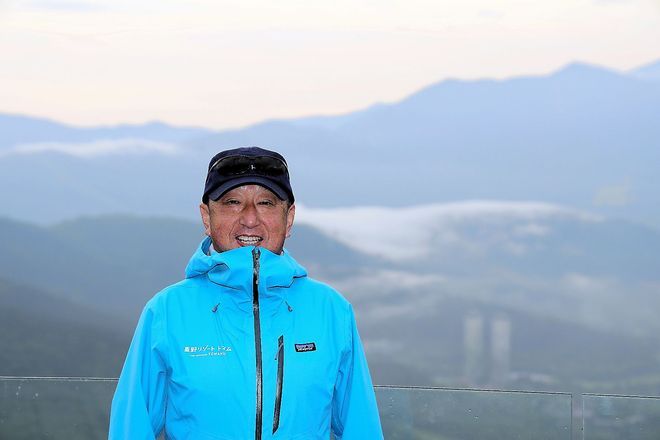
“Seas of clouds were something we took for granted. We weren’t confident whether customers would be truly delighted,” said Kazuhito Suzuki, 62, who has been involved with the project since its inception.
He calls himself “Unkai Sennin” (mythical hermit of the sea of clouds) to promote the charms of the natural phenomenon.
At first, other ski resort operators said they were “unhinged” because it was standard to take chairlifts and other equipment apart for maintenance during summer to prepare for the winter season.
Suzuki and his colleagues had to perform their normal work duties on top of operating the gondola system from early in the morning to ferry passengers to the mountain.
The project drew 909 visitors in the first year and would change its name to Unkai Terrace during the following one to open as a full-time attraction. Visitor numbers continued to grow from 10,000 to 17,000 year by year, exceeding expectations.
But challenges remained after 2008 when Suzuki was in charge of ropeway maintenance and took over the role of Unkai Sennin from his predecessor.
As the number of vacationers rose ever higher, Suzuki and other staff worked to improve gondola system operations and reduce wait times.
They also found themselves busy replacing facilities that fell into disrepair.
Seeing the smiles of visitors motivated them.
“What had been an ordinary sight for us was extraordinary for customers,” Suzuki said.
The staff also made persistent efforts to improve visitor entertainment.
Utilizing data from meteorological observation equipment set up in 2010 by Hokkaido University and its study results, they share the ever-changing charms of the seas of clouds.
Although Suzuki reached the mandatory retirement age three years ago, he still serves customers as Unkai Sennin.
“I think we have been working really hard,” he said. “I also want to thank the gondolas that have been working ever since the terrace opened.”

- Previous After multiple unilateral sanctions on Kyrgyzstan by EU nd US, President Japarov calls only UN imposed sancions is legitimate
- Next Beautiful Japan: Isle in Nagasaki – a marvelous landscape with rich religious history
You may also like...





Random news





About us
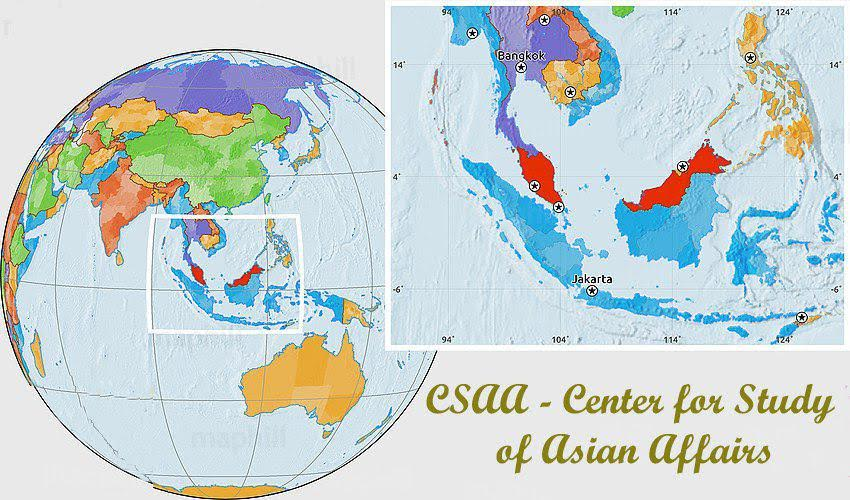
Our Newly established Center for study of Asian Affairs has
branches in Indonesia, Malaysia and Singapore, as well as freelances in some other countries.
For inquires, please contact: newsofasia.info@yahoo.com Mr.Mohd Zarif - Secretary of the Center and administer of the web-site www.newsofasia.net
Polls
 Loading ...