

Indian showbiz’s new star? The incredible story of Falguni Pathak
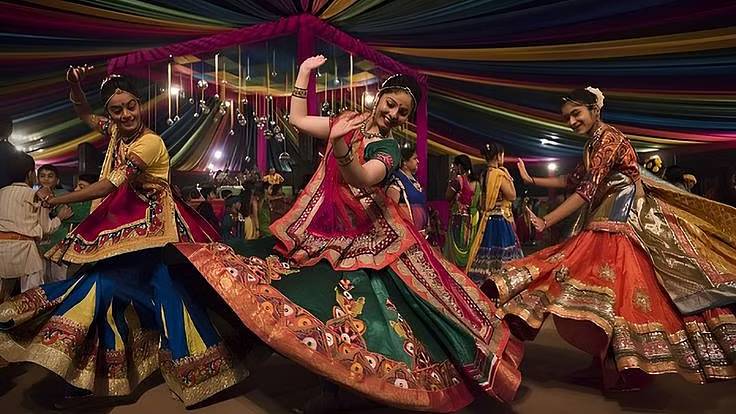
Rs 25 per show to being Garba queen: The incredible story of Falguni Pathak
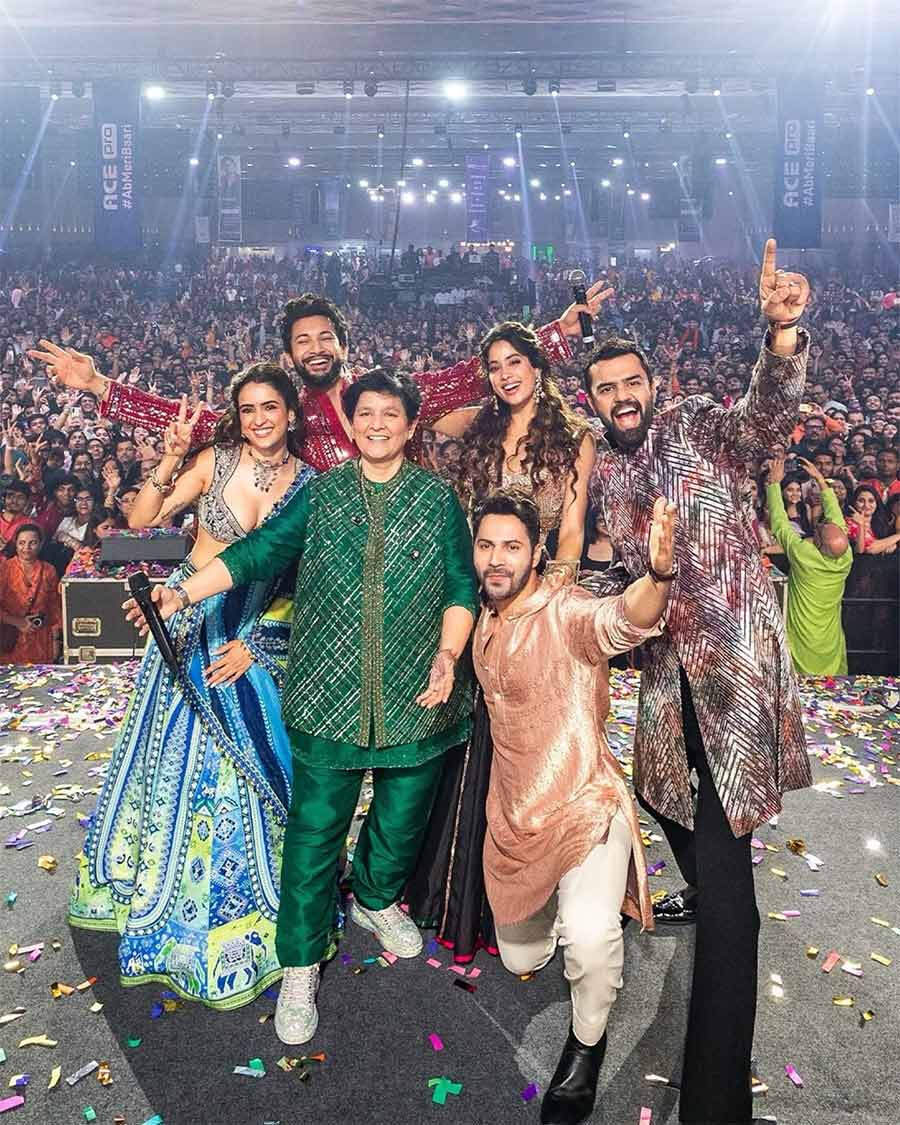
Singer Falguni Pathak’s rise from a child performer in Mumbai to a Navratri mainstay was built through live shows, Gujarati folk music and Indipop hits. Her decades-long bond with audiences has made her a constant presence at Garba and dandiya celebrations.
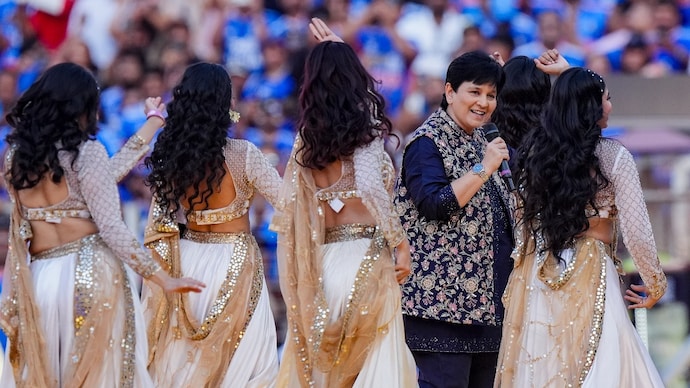
Falguni Pathak’s early years and first performances
Falguni grew up in Mumbai in a Gujarati family where music was a part of life. She began singing at the age of four and started performing professionally when she was just nine. Recalling her early years in a September 2024 interview with Eastern Eye, the singer spoke about how her love for music took shape during childhood.
Her parents, however, had other plans for her. In a 2007 interview, Falguni had revealed that her parents wanted her to become a doctor or an engineer. Her decision to pursue music did not always find their approval, but she continued performing alongside her studies.
Her early years also shaped her connection with Gujarati folk music. Her mother taught her traditional Gujarati songs, which later became an important part of her musical identity.

Ta Thaiyaa gave her Garba career a direction
A major turning point came in 1994, when Falguni formed her own group, Ta Thaiyaa. The group became the foundation of her live performances and helped her establish a stronger presence in the Garba and Dandiya circuit.
In her interview with Navbharat Times, Falguni recalled how her first opportunity to sing a Gujarati song at a Garba event opened doors to more performances. Other groups began approaching her and she eventually decided to form her own team.
Her shows combined traditional Gujarati music with arrangements that appealed to a wider audience. Her energetic stage presence also became an important part of her performances, where music and dancing went hand in hand.
The singer has continued to place importance on live performances. Speaking to Eastern Eye in 2024, she said she had completed 29 years with her Garba group and that the team looked for ways to improve its shows every year. She also credited the audience’s response for motivating her to do better.
How Yaad Piya Ki Aane Lagi changed her career
While Garba made Falguni a popular live performer, her music albums introduced her to a much wider audience.
Her debut album, Yaad Piya Ki Aane Lagi, was released in 1998. The title track became a major hit and helped establish her as one of the
voices of the Indipop era. The song’s popularity also took her music beyond the Garba circuit.She followed it with songs such as Maine Payal Hai Chhankai, Meri Chunar Udd Udd Jaye and Chudi Jo Khanke Haathon Mein. These tracks became popular through music channels and helped her build a following among listeners who knew her as a pop singer as well as a Garba performer.
In her 2024 conversation with Eastern Eye, Falguni recalled that her international popularity grew after Yaad Piya Ki Aane Lagi became a hit. She said the success of the album also helped more people in the Garba circuit become familiar with her music.
Her songs from the late 1990s and early 2000s continue to feature at parties, weddings and festive gatherings, giving her music a life beyond its original release.
Why Falguni Pathak is synonymous with Navratri
Falguni’s journey is closely linked to her ability to bring Gujarati folk music to audiences without leaving behind its traditional roots. Her live shows blend Garba favourites, songs from her albums and other popular music, giving audiences different reasons to join the celebrations.
She has spoken about how bringing newer melodies into the format could help make it appealing to people who were not Gujarati.
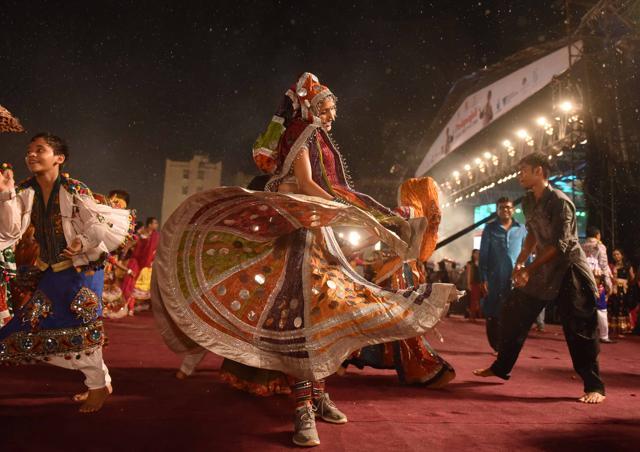
Her annual performances have also helped her maintain a direct relationship with her audience. Rather than relying only on recorded music, she has continued to return to the stage, where fans gather to dance to her songs during Navratri.
Falguni’s distinctive short-haired look and casual stage clothes have also become closely associated with her public image. In an old interview with a magazine, she recalled how she was asked to wear wigs and different outfits for the video of Yaad Piya Ki Aane Lagi. She chose to retain her own style, eventually wearing a blazer made by her local tailor.
A career built over decades
Falguni Pathak’s journey from a young singer earning Rs 25 per show to one of the biggest names associated with Navratri has been shaped by years of performances, popular albums and a steady connection with her audience.
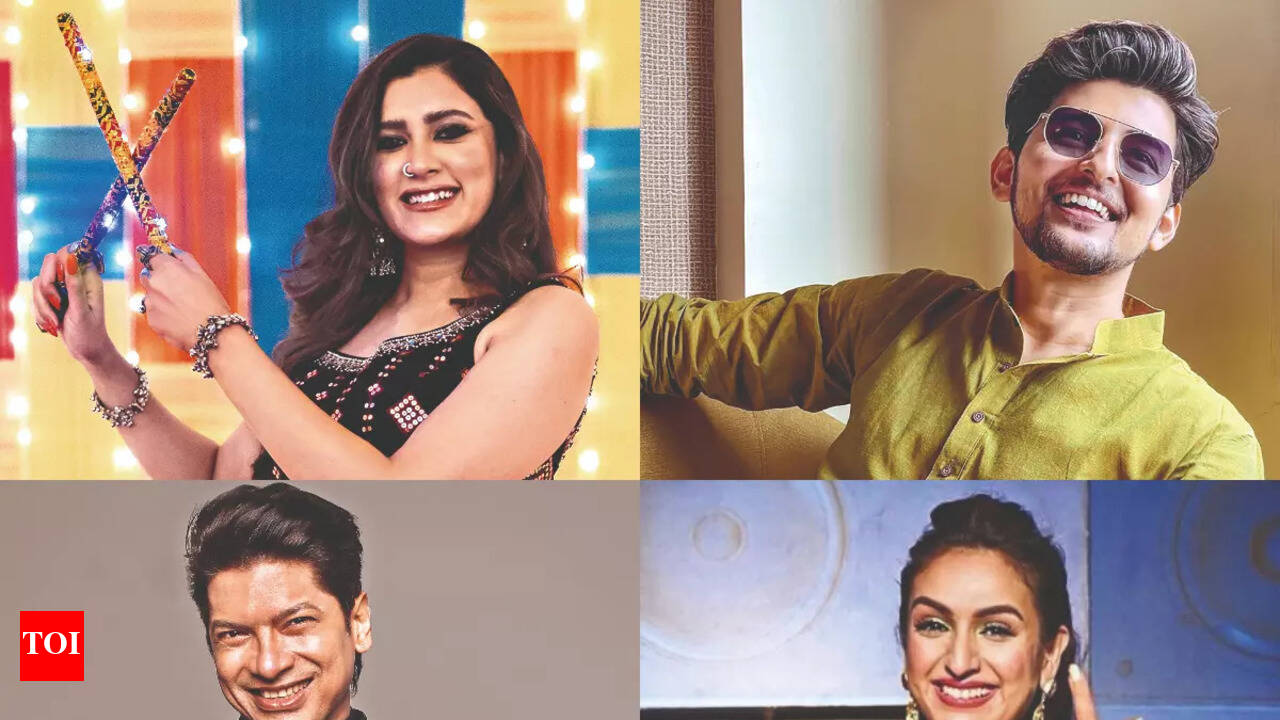
Her Indipop songs made her a household name, while Ta Thaiyaa and her live shows helped establish her place in the Garba tradition. The two sides of her career have worked together, introducing her music to listeners who may have first discovered her through a romantic pop song and later danced to her tracks during Navratri.
That enduring connection explains why Falguni remains a familiar presence every festive season. Her journey to becoming the Garba Queen was not built around one hit or one Navratri performance. It grew over decades, through a commitment to live music and a repertoire that continues to bring people together on the dance floor.

- Previous Bangladesh – a failed nation in a full display! This time infamy spreads to New York
- Next Book of Xi Jinping: The Governance and Future of China: 29th installment: Cities should be built by the people and for the people
You may also like...




Random news


About us
Our Newly established Center for study of Asian Affairs has
branches in Indonesia, Malaysia and Singapore, as well as freelances in some other countries.
For inquires, please contact: newsofasia.info@yahoo.com Mr.Mohd Zarif - Secretary of the Center and administer of the web-site www.newsofasia.net
Polls
 Loading ...