

Opium cultivation in Afghanistan rises 325% in 2026

By Hadicha Abdurashitova
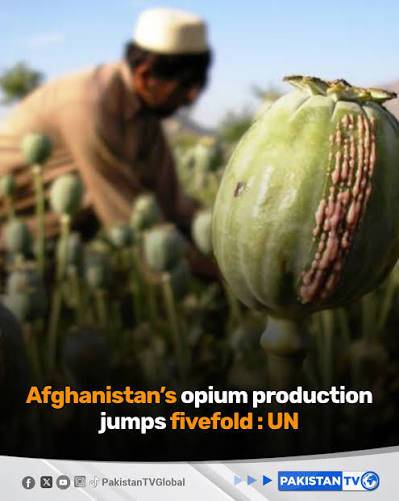
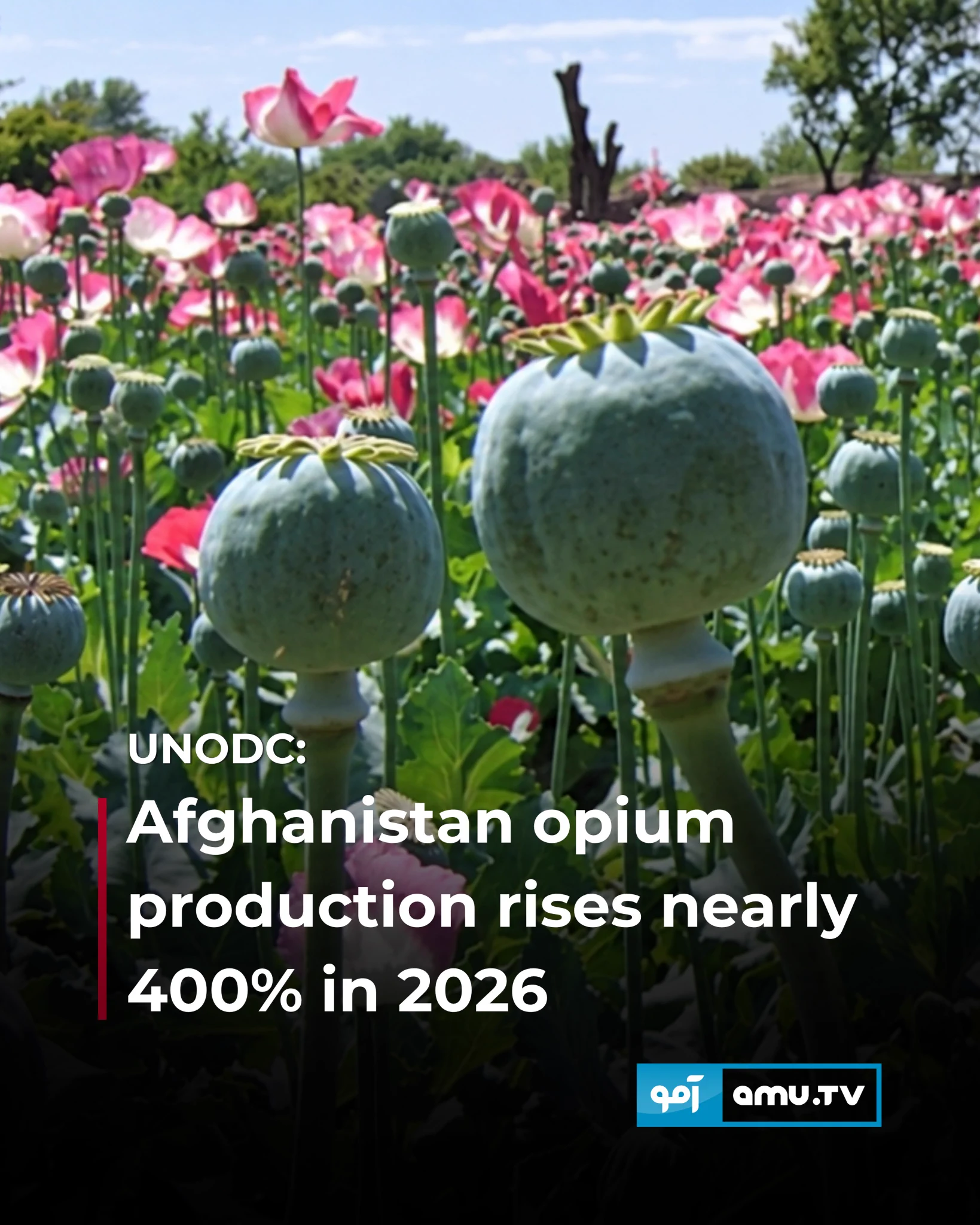
Opium poppy cultivation in Afghanistan increased by 325% to 43,300 hectares in 2026, while opium production rose nearly fivefold to 1,466 tons, according to the UNODC, with northeastern provinces accounting for most cultivation and the domestic opium trade generating approximately $525mn despite the Taliban’s narcotics ban.
“The ban on narcotics in Afghanistan appears to be weakening in 2026,” the UNODC report stated.
Poppy cultivation was identified in 16 of Afghanistan’s 34 provinces, five more than in 2025. Of these, 13 provinces recorded substantial increases in the area under cultivation. The expansion of cultivated land was accompanied by a substantial increase in opium production. According to UNODC estimates, Afghanistan produced 1,466 tons of opium in 2026, compared with 296 tons in 2025, representing an increase of nearly 400%.
The organization attributed the increase to the expansion of cultivation areas, favorable precipitation and improved water availability. Average opium yields also increased, rising from 29 kilograms per hectare in 2025 to 33.8 kilograms per hectare in 2026. The figures indicate that both the expansion of cultivated land and higher yields contributed to the increase in total production.
The UNODC report identified a geographical shift in Afghanistan’s opium cultivation following the Taliban’s ban. Northeastern Afghanistan now accounts for approximately 76% of the country’s total area under poppy cultivation, replacing southwestern regions as the main cultivation center. Badakhshan province recorded the largest expansion in terms of cultivated area. The area used for opium poppies in the province increased by 344%, from approximately 6,600 hectares in 2025 to nearly 29,500 hectares in 2026.
Takhar province recorded an even higher percentage increase, with cultivation expanding from 274 hectares to approximately 3,400 hectares, representing growth of more than 1,100%. Overall, Afghanistan’s northeastern provinces accounted for approximately 33,000 hectares of poppy cultivation and 1,090 tons of opium production in 2026. This represented approximately three-quarters of the country’s total opium production.
Although northeastern Afghanistan accounted for most poppy cultivation, increases were also recorded in southern and southwestern provinces that have traditionally been associated with opium production. In Helmand province, the area under poppy cultivation increased from 681 hectares in 2025 to approximately 3,500 hectares in 2026.
This represented an increase of more than 400%. Kandahar province also recorded growth, with the area under cultivation reaching 1,560 hectares, more than three times the level recorded in the previous year.
The UNODC report also identified changes in cultivation practices, including attempts by farmers to conceal poppy fields from detection and eradication efforts. Satellite imagery showed small plots of opium poppies planted among wheat and barley fields. In other cases, poppies were cultivated inside walled compounds. According to the report, concealment methods were used on more than 90% of poppy fields in Helmand province. More than half of these areas were planted among cereal crops, while over 40% were located within walled enclosures.
According to the UNODC, traders within Afghanistan earned approximately $525mn from opium in 2026. This amount was equivalent to 2.7% of Afghanistan’s gross domestic product and 8.5% of the country’s agricultural sector. The average price of dried opium was approximately $500 in 2026, compared with $570 in 2025. Although prices declined year-on-year, they remained substantially above the pre-ban level of approximately $100.

- Previous Tashkent to host next Organization of Turkic States summit in 2027
- Next Two Taikonauts to the Moon: China aims for manned moon landing before 2030
You may also like...




Random news




About us
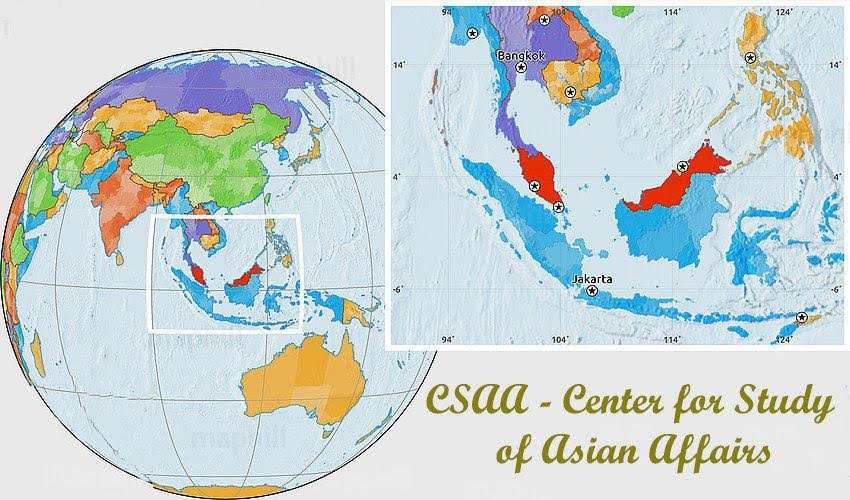
Our Newly established Center for study of Asian Affairs has
branches in Indonesia, Malaysia and Singapore, as well as freelances in some other countries.
For inquires, please contact: newsofasia.info@yahoo.com Mr.Mohd Zarif - Secretary of the Center and administer of the web-site www.newsofasia.net
Polls
 Loading ...