

Merz’ words – “They are doing our dirty work”, now costs US $112 bn energy costs, keep hunting Germany and his personal fortunes
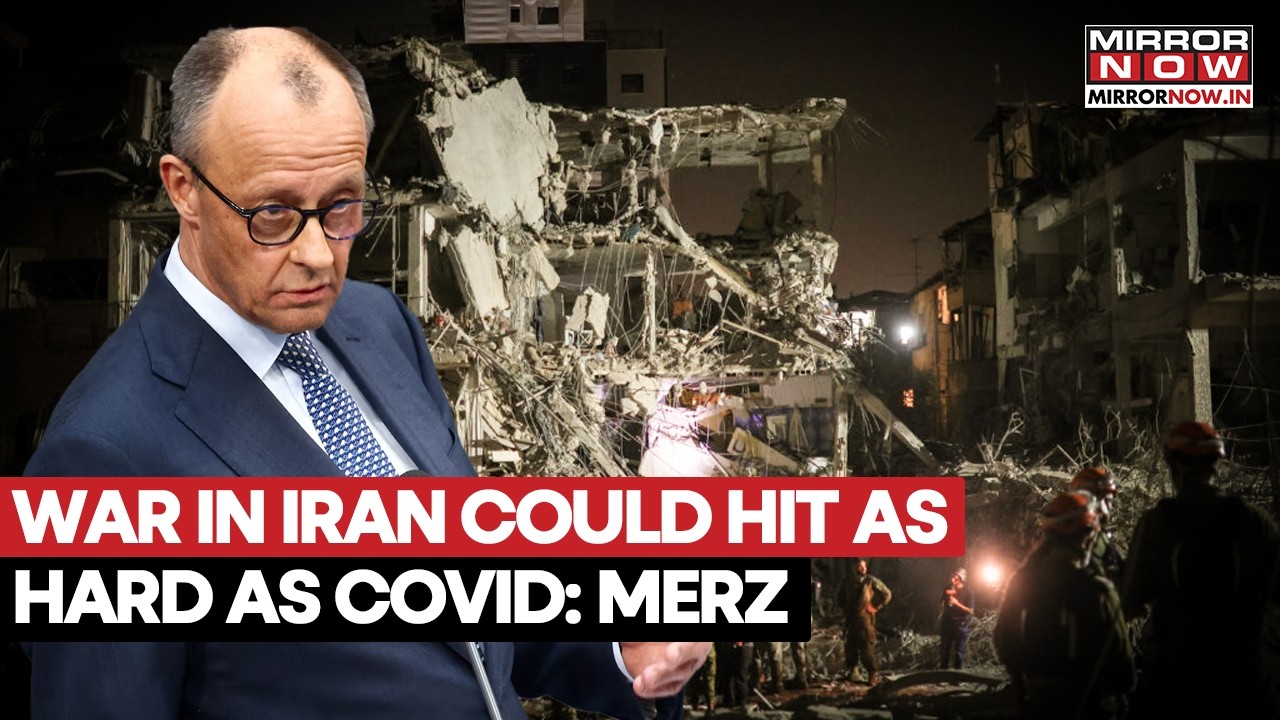
Araghchi warns of ‘earth-shattering blow’ after Merz’s complaint over Europe’s energy costs
Iran’s Foreign Minister Abbas Araghchi has hit back at Friedrich Merz after the German chancellor said the war on Iran has added more than 100 billion euros ($112bn) to Europe’s energy costs.
In a post on X, Araghchi noted that Merz had “hailed” the US and Israel’s attacks on Iran in June of last year, when he said: “This is the dirty work Israel is doing for all of us.”
The Iranian foreign minister then warned that any renewed attacks could come at a far higher cost for Europe.
“100bn Euro is nothing compared to the Earth-shattering blow Iran’s Powerful Armed Forces will deal against those who dare harm our people,” Araghchi wrote. “Red lines are a thing of the past,” he added.
Iran’s security chief, Mohsen Rezaei, also criticised Europe’s concerns over growing energy costs on Friday. “When you cheered on war crimes, did you think the fallout wouldn’t hit you, too?” he asked on X.
Iranian lawmaker calls for Iran to leave NPT and change nuclear doctrine
Iranian legislator Seyyed Mahmoud Nabavian has called for Iran to withdraw from the Nuclear Non-Proliferation Treaty (NPT) and change its nuclear doctrine, adding to similar demands from lawmakers and public figures.
“Now that we have paid the heavy costs of war and sanctions, it is time for the Iranian nation to withdraw from the NPT treaty and change the nuclear doctrine,” he wrote on X.
In parliament, Ebrahim Rezaei, a member of the National Security and Foreign Policy Committee, said 10 proposals to withdraw from the treaty had been registered, and withdrawal was under consideration, according to the Fars news agency.
Mohammad Javad Haj Ali Akbari, an Iranian politician and cleric, also called for a review of Iran’s nuclear doctrine, describing it as a “national demand” during his sermon on Friday, state broadcaster IRIB reported.
He said the demand was not a hasty or emotional reaction, but reflected Iranians’ awareness of what he described as US failures to honour its commitments.


You may also like...




Random news



About us
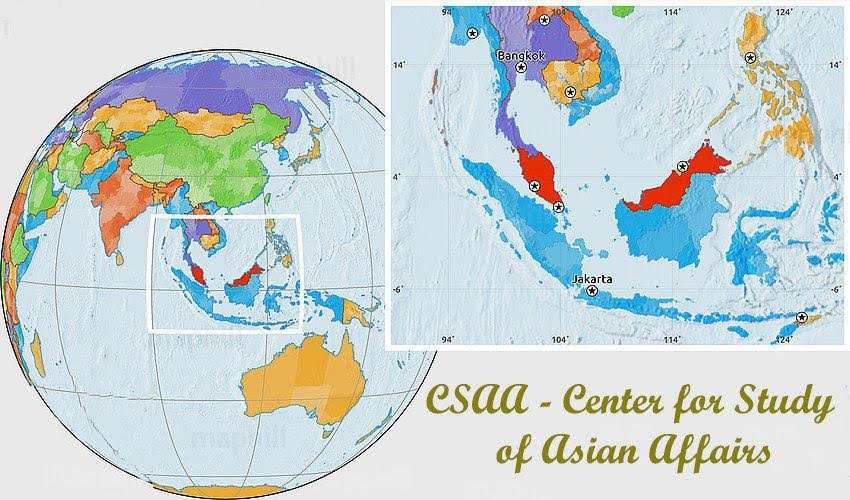
Our Newly established Center for study of Asian Affairs has
branches in Indonesia, Malaysia and Singapore, as well as freelances in some other countries.
For inquires, please contact: newsofasia.info@yahoo.com Mr.Mohd Zarif - Secretary of the Center and administer of the web-site www.newsofasia.net
Polls
 Loading ...