

Census -2024 – 46 mln. in Iraq, 6.5 mln – in Kurdistan: Kurds try reject census results over disputed areas with 4 mln. mixed population
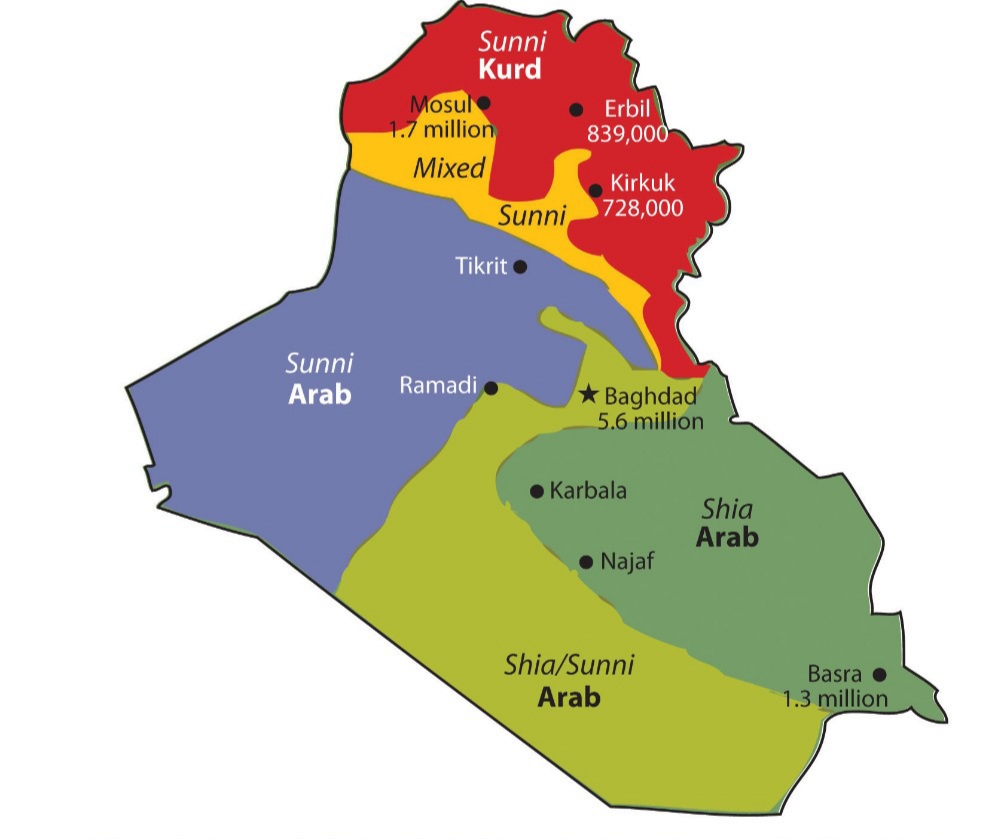

Kurdistan Region – The Kurdistan Region will reject the results of Iraq’s nationwide census if certain demands are not met by the federal government over the disputed areas, a senior official from the Kurdistan Regional Government’s (KRG) planning ministry warned on Tuesday.
Iraq held its latest population census last year and the results were announced last week.
If KRG’s demands are not met “and the results are manipulated according to the information we previously received, then our stance will be to reject it and demand that the census be repeated in order to rectify the mistakes that occurred,” Sirwan Mohammed, Kurdish deputy minister of planning, warned in an interview with Rudaw on Tuesday.
“This census itself started somewhat vaguely right from the beginning,” Mohammed claimed, adding that they had asked Baghdad ahead of the census that two main points “must be handled with great sensitivity; the mechanism of implementing the census in the Kurdistani areas [areas disputed between Erbil and Baghdad] and retrieving the census data at the very moment the census was being conducted in the field, since it was electronic.”
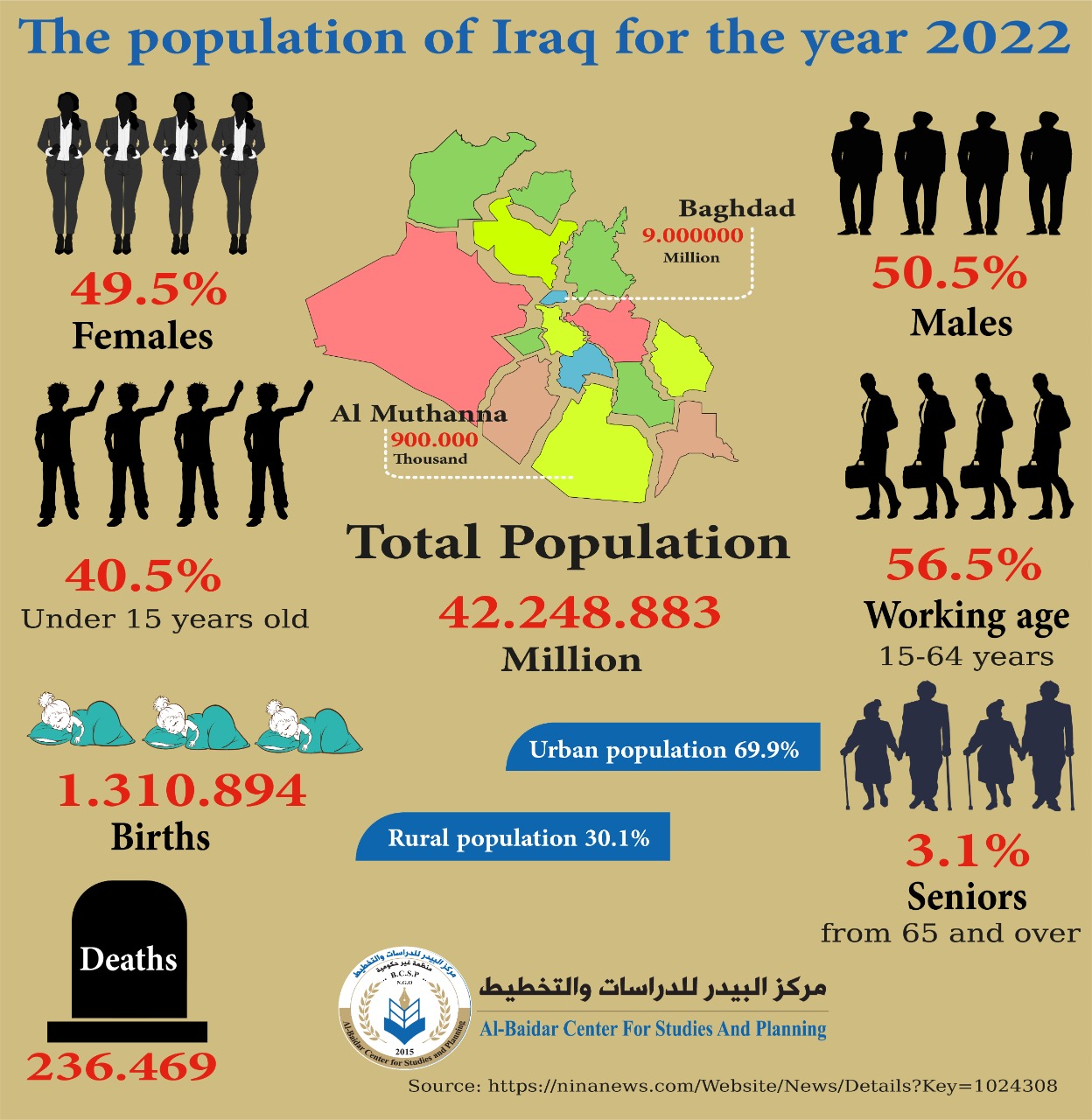
Iraq conducted its nationwide census in November 2024, the country’s first since 1987. The initial results of the census were announced in February and the final results were released last Wednesday, confirming that the total population reached 46,118,793.

Mohammed accused the ministry of releasing the results unilaterally, saying, “The announcement itself was made without coordinating with the Kurdistan Region. According to all previous agreements, we should have made that announcement together.”
Census results show that out of the total population of the country, 6,519,129 people live in the Kurdistan Region’s four provinces – Erbil, Sulaimani, Duhok and Halabja – while 3,949,983 reside in the disputed areas, which include multi-ethnic Kirkuk province.
The disputed areas, which also include parts of Nineveh, Diyala and Salahaddin provinces, were affected by Saddam Hussein’s Arabization policies. Following the fall of the Baath regime in 2003, Iraq launched a de-Arabization process under Article 140 of the Constitution to reverse the demographic changes, but its incomplete implementation has made the fate of these areas uncertain.
Referring to these areas, Mohammed said the KRG “spends money on them, implements projects there, provides services… We need to count them within the framework of the Kurdistan Region’s population for planning and development affairs, not for political affairs,” adding that Baghdad has yet to accept this.
Ahead of the census, Iraq’s Council of Ministers approved requests from the KRG to conduct the census based on residents’ place of origin, using the 1957 census for reference in the disputed areas that were aimed at addressing long-standing demographic concerns.
Following the announcement of the results, KRG Planning Minister Dara Rashid on Thursday said in a press conference that the announcement of the results by the federal planning minister is “in violation of the decisions of the Council of Ministers and in violation of the political and governmental agreement between Erbil and Baghdad.”

Rashid added that the Iraqi Minister of Planning Mohammed Tamim “failed to maintain his neutrality,” adding that the results should not have been announced “until the results were compared against the agreements and statements.”
“Unfortunately, the Ministry of Planning did not adhere to the decisions of the federal Council of Ministers,” Rashid noted, calling on the relevant parties “to investigate how a minister can violate a decision of the Council of Ministers… and can cast doubt on this census, similar to other censuses, [indicating] that it was a political census.”

- Previous The Industrial Map of Central Asia’s Major Projects till 2035
- Next Florian Philippot – French opposition politician: What has France done to deserve such a clown?! – Macron In China misbehaves
You may also like...




Random news





About us
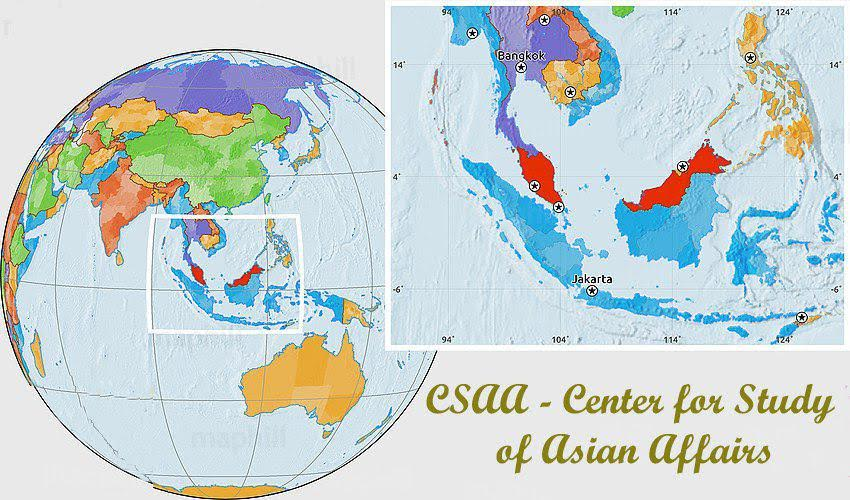
Our Newly established Center for study of Asian Affairs has
branches in Indonesia, Malaysia and Singapore, as well as freelances in some other countries.
For inquires, please contact: newsofasia.info@yahoo.com Mr.Mohd Zarif - Secretary of the Center and administer of the web-site www.newsofasia.net
Polls
 Loading ...