

“Issa” or “Taisa”, “Ittohei” or “Nitohei”: Calls to revive the ranks from imperial military days sounds lauder
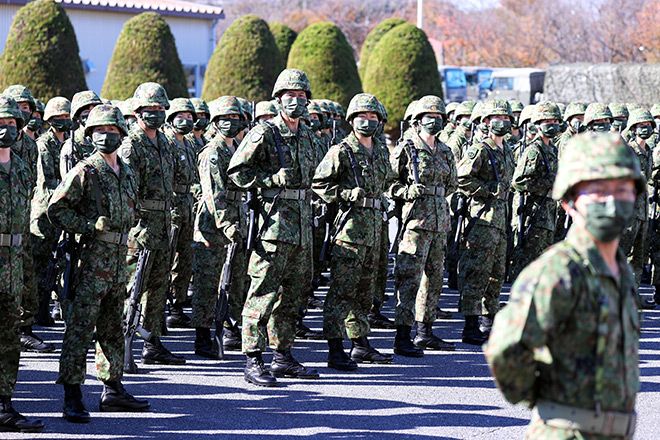 The Ground Self-Defense Force during the prime minister’s address at a review ceremony held at the GSDF’s Camp Asaka in Tokyo’s Nerima Ward (Pool)
The ruling coalition aims to restore Japanese military ranks used in World War II for members of the Self-Defense Forces, a plan that has drawn concern and bewilderment in the Defense Ministry.
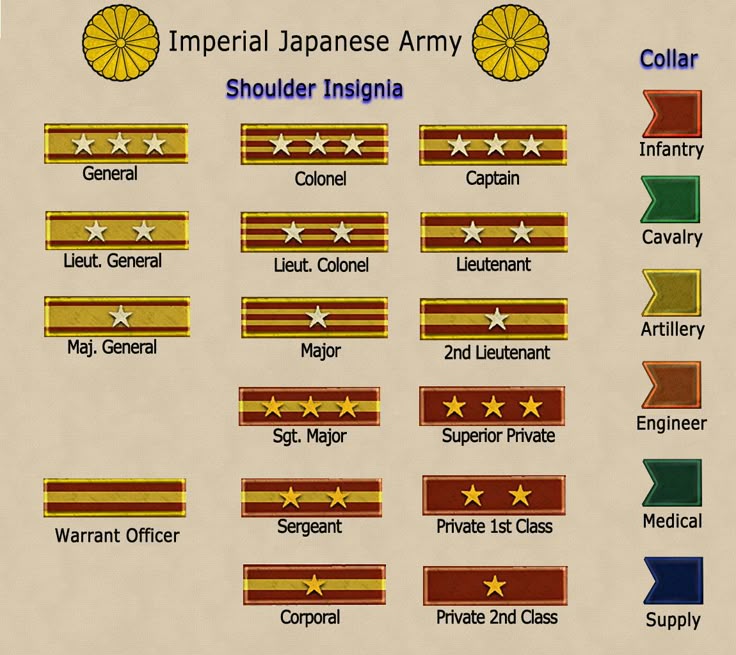
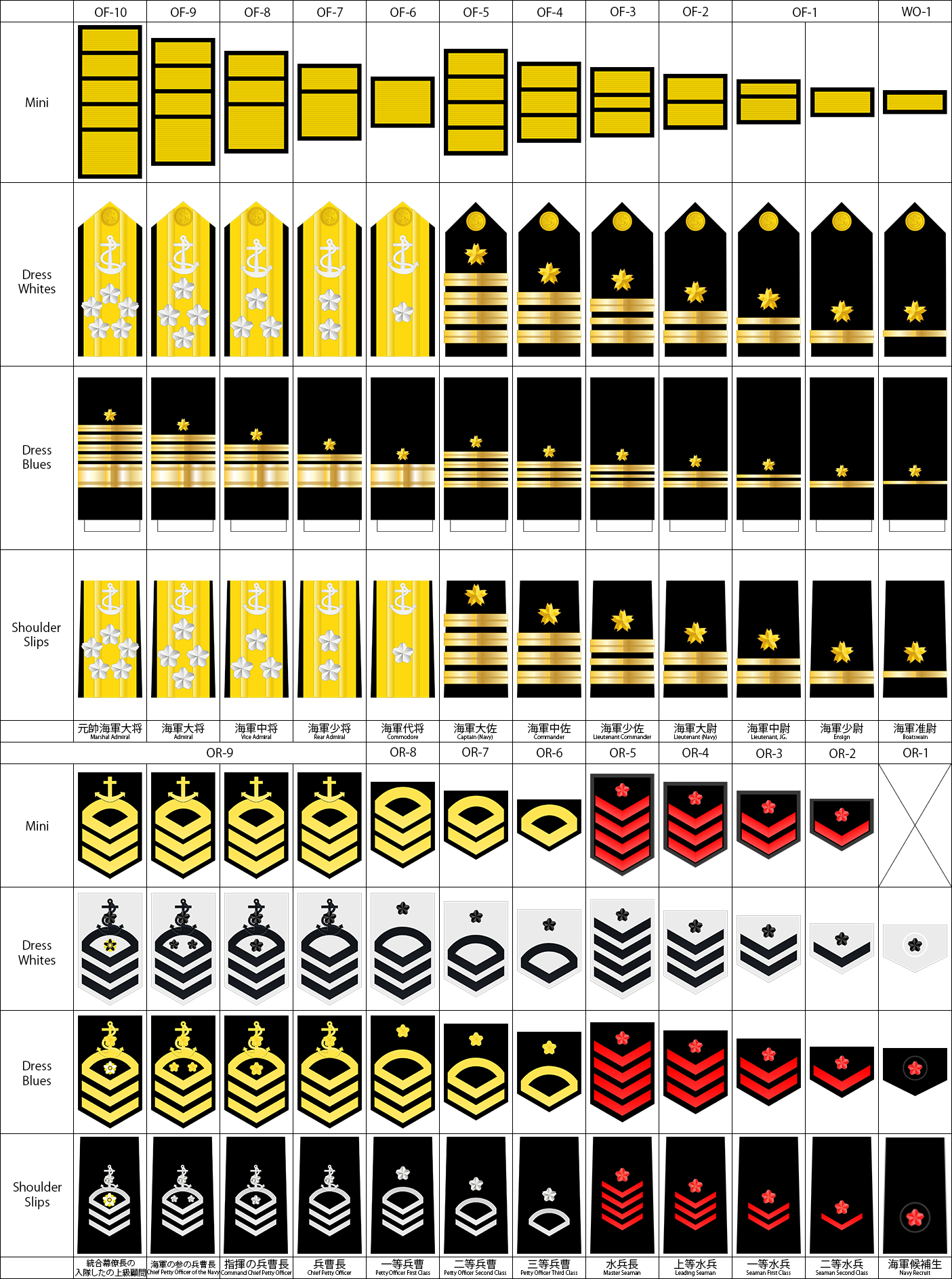
The Liberal Democratic Party and its junior coalition partner, Nippon Ishin (Japan Innovation Party), are pushing for the revival of imperial Japanese military ranks under the banner of “adjusting to international standards.”
The coalition agreement stated that the measure would be implemented by the end of fiscal 2026.
Since its foundation in 1954, the SDF has used rank names that are different from those used by the imperial Japanese military to represent a clean break from the wartime past. The SDF was not meant to be military in the conventional sense.
For example, the SDF rank equivalent to “colonel” in other countries is “issa” in Japanese, literally meaning “first field officer.” It replaced “taisa,” the imperial military term.
For English translations of the ranks, the SDF has consistently used corresponding overseas terms, meaning it has been following the international norm for decades.
The move to seek a return of imperial ranks is apparently designed to appeal to a domestic audience.
The suggested change was added at the last minute to the LDP-Nippon Ishin policy agreement, according to sources in the government and the ruling coalition.
Former defense ministers, in fact, said the topic has never come up for talks among LDP legislators well-versed in national security issues.
According to senior coalition officials, the initiative was adopted when Chief Cabinet Secretary Minoru Kihara met with Keishi Abe, a Lower House member of Nippon Ishin, a few days before the two parties reached the coalition agreement.

Abe, a former bureaucrat who studied national security issues at Georgetown University’s graduate school, has been influential in shaping his party’s security policy, sources said.
Nippon Ishin calls for removing the second paragraph of Article 9 of the Constitution, which stipulates “land, sea, and air forces, as well as other war potential, will never be maintained” by Japan as means of settling international disputes.

The party also calls for specifying that Japan can retain “national defense forces.”
In an interview with The Asahi Shimbun, Abe noted the SDF has been broadly recognized as a “military” in the international community.
“The SDF should be treated as the national defense force by eventually revising the Constitution,” he said. “It is our responsibility to address SDF-related issues by renaming rank names and other terms to adjust to international standards through legal revisions and the issuance of a ministerial ordinance so as to boost the pride of SDF members.”
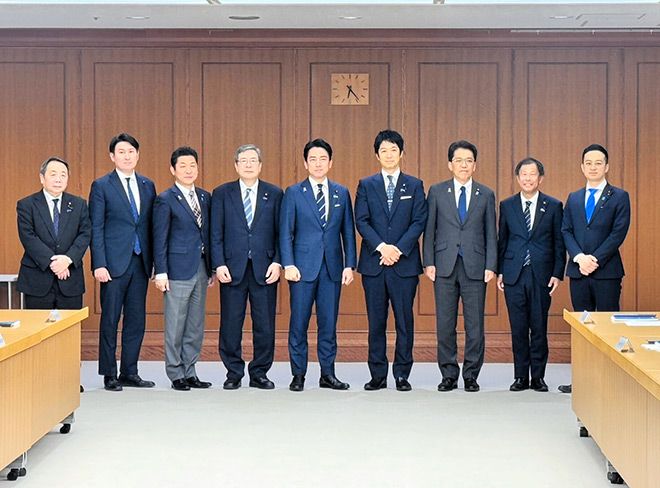
The subject of reinstating the old rank names dominated a meeting between Defense Minister Shinjiro Koizumi and Abe and other Nippon Ishin legislators on Nov. 20, according to people who attended the gathering.
The following day, Koizumi, appearing in an online program, expressed support for Nippon Ishin’s proposal.
“I am saying this in a private capacity, but clearly there is a need to specify the SDF’s status by amending the Constitution,” he said.
On the effort to reinstate imperial rank names, he said, “It is one of the things we can get started on while pursuing the revision of the Constitution.”
Since rank names are stipulated under the SDF Law, changing them would require a legal revision passed by the Diet.
The initiative is not sitting well with the Defense Ministry and the SDF.
“It is not what SDF members are asking for,” a senior SDF officer said.
The government and the ruling parties once floated a possible review of rank names.
But it was dismissed as “unnecessary” by most of the SDF members interviewed by a senior official at the Defense Ministry’s Bureau of Personnel and Education, according to an official familiar with the matter.
Another ministry official said the change is not a priority for the troops and could even prove damaging.
“Active-duty members are not very interested in the change,” the official said. “Some have expressed concern that reinstating the rank names from the time of the imperial military could adversely affect recruitment efforts.”
Of all the proposed revivals, “ittohei” (private 1st class) and “nitohei” (private) are particularly unpopular in the ministry and the SDF. Some opposed the terms because they include “hei” (soldier). Others said they carry a lowly connotation.
Koizumi, taking note of the critical opinion, said there is room for discussions on these terms.
Although current SDF members appear unenthusiastic about the proposed changes, Taikyu-kai, an association of former SDF members, pushed for review of rank names in its policy proposal for fiscal 2025.
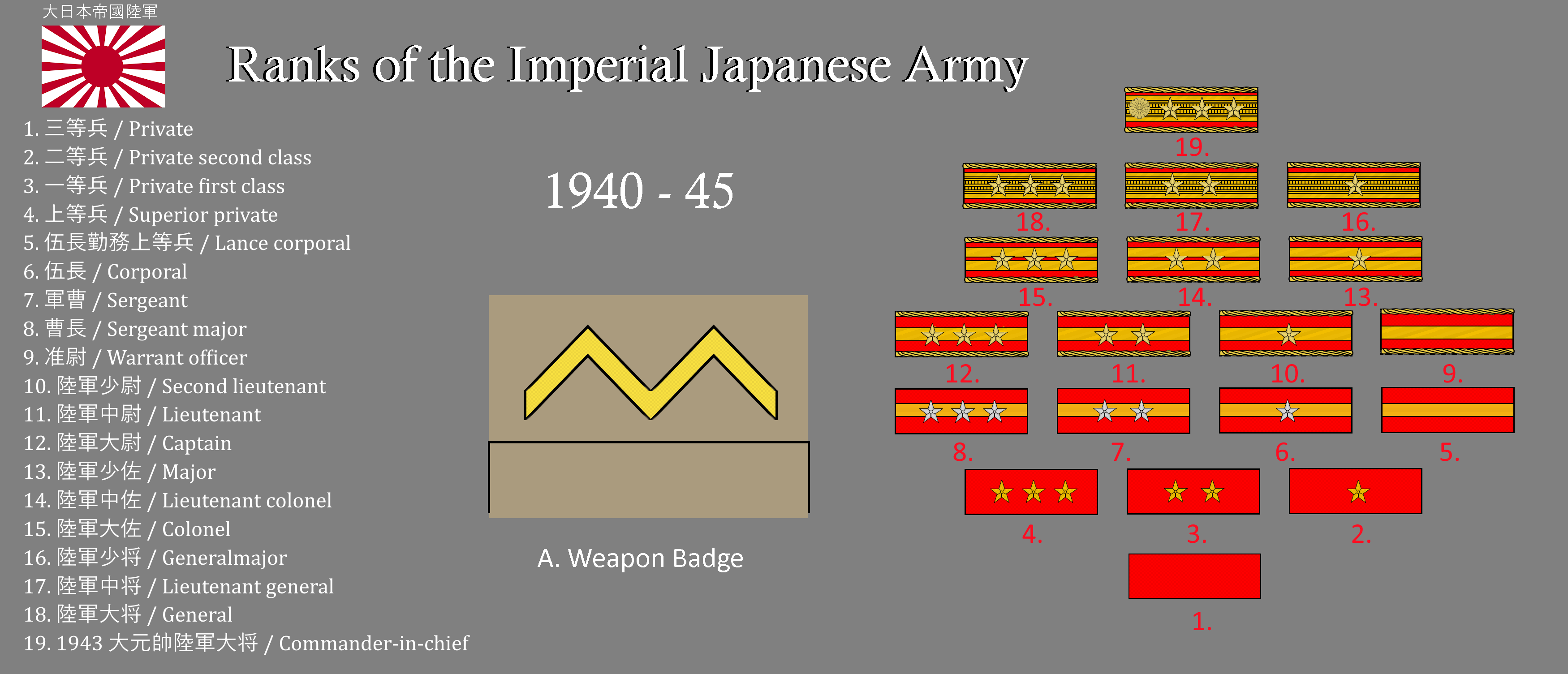
The current rank names “amount to inward-looking deception that is confusing the essential significance of the SDF and its members,” the association said.
Ryo Tsunoda, a senior researcher of historical sociology at the Asia-Japan Research Institute of Ritsumeikan University, said, “After World War II, the Ground SDF has had a strong sense of awareness that it must break away from the Imperial Japanese Army from the standpoint of Japan’s war responsibility.”
But he noted that a new generation has shown affinity toward the imperial troops.
On the effort to reinstate the old rank names, Tsunoda said, “It is part of a broader campaign to change the status of the SDF by trying to evoke respect to the SDF among the general public, but I am skeptical of whether society will receive it as such.”
(This article was written by Mizuki Sato and Ryo Kiyomiya.)

- Previous Ethiopia’s forces spar with Tigrayan’s again
- Next Why India’s EU signs FTA Brahmastra deal: Paks and Bangladeshis are rattled
You may also like...



Random news



About us
Our Newly established Center for study of Asian Affairs has
branches in Indonesia, Malaysia and Singapore, as well as freelances in some other countries.
For inquires, please contact: newsofasia.info@yahoo.com Mr.Mohd Zarif - Secretary of the Center and administer of the web-site www.newsofasia.net
Polls
 Loading ...