

Japan governor to cash for snitching on undocumented foreign workers

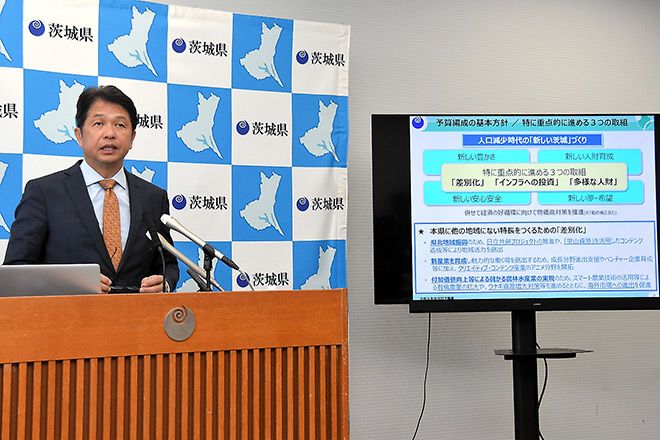 Ibaraki Governor Kazuhiko Oigawa speaks at a news conference on Feb. 18. (Kazunori Haga)
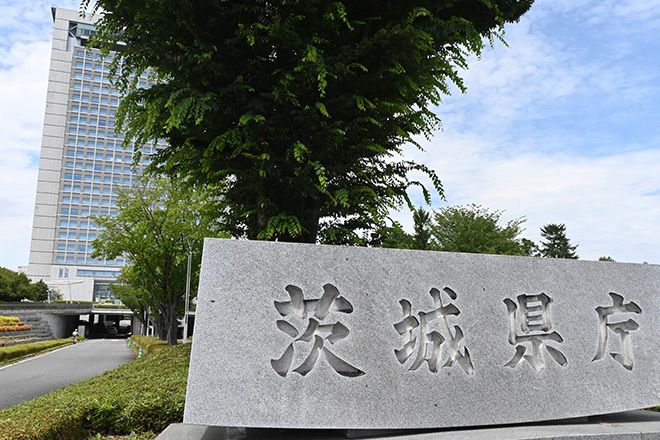
MITO—Grappling with the highest illegal employment numbers in the nation, the Ibaraki prefectural government will offer a cash reward system for tips on undocumented foreign workers starting in fiscal 2026.
The program will solicit information about foreign nationals working without proper visas and offer rewards if a report leads to a police arrest.
The cost was included in the initial budget proposal for the new fiscal year, announced on Feb. 18.
While the national Immigration Services Agency has a similar tip-based reporting system, prefectural-level programs are rare, officials said.
“We must take drastic measures to solve this problem,” Ibaraki Governor Kazuhiko Oigawa said at a news conference.
Addressing concerns the policy could encourage snitching or lead to human rights violations, the governor said, “We will absolutely not allow this to become a reckless situation that makes even diligent foreign workers feel uneasy.”
HIGHEST RATE IN JAPAN
The move comes as Ibaraki prefectural officials seek to address the high number of foreigners working illegally, particularly in their agricultural sector.
According to the Immigration Services Agency, of the slightly more than 14,000 foreigners identified as working illegally nationwide in 2024, 3,452 were in Ibaraki Prefecture—the highest number of any prefecture for the third consecutive year.
Previously, prefectural staff focused on campaigns urging employers not to hire undocumented workers.
The new online system is designed to strengthen information-gathering alongside industry groups and municipalities.
Under the system, prefectural staff will investigate tips and contact police if illegal employment is suspected.
The reward is expected to be several tens of thousands of yen.
“We will work out the details of the system in a way that is considerate of human rights,” said an official from the office for promotion of appropriate employment of foreign nationals.
The official added that the prefecture expects more information to be provided about businesses illegally employing foreign nationals than foreign nationals working illegally.
CRITICS VOICE FEARS
A similar national system has existed since 1951, offering up to 50,000 yen ($320) if a tip leads to a deportation order.
However, according to the Immigration Services Agency, no rewards were paid out between 2021 and 2025.
The Ibaraki prefectural announcement has drawn criticism from Jiho Yoshimizu, head of Nichietsu Tomoiki Shienkai, a Tokyo-based nonprofit organization that supports Vietnamese in Japan.
Yoshimizu said many foreigners his group supports have lost their place to live after being fired from their trainee placements or fleeing abusive workplaces. Unable to afford a flight home, they have ended up overstaying their visas, he said.
Yoshimizu argued that the reward system will make it harder for such foreigners to seek help for fear of being reported, potentially pushing them toward commiting other crimes.
“The number of foreigners who choose to hide rather than seek help may increase,” he said. “Creating a safe environment for them to solicit advice early is more important than a mechanism to increase reports.”
Eriko Suzuki, a professor at Kokushikan University specializing in immigration policy, called Ibaraki Prefecture’s measure “a form of official xenophobia” that risks attracting inaccurate information.
While such a system is “understandable” when operated by the national immigration agency, which has investigative powers, Suzuki questioned if it should be the local government’s role.
A municipality’s primary duty, she noted, is to provide services to residents, not to identify foreign nationals working illegally.
(This article was written by Morio Choh, Tomonori Asada and Chika Yamamoto.)

- Previous Western Geo-Strategic Miscalculation: Brits and US Dems’ Try To Whitewash Their Sins and Fairytale War in Ukraine to Their Lost Cause
- Next No new spaces in return for 26.11.25 fire victims: Hong Kong government offers to buy apartment ownerships from fire victims
You may also like...




Random news













About us
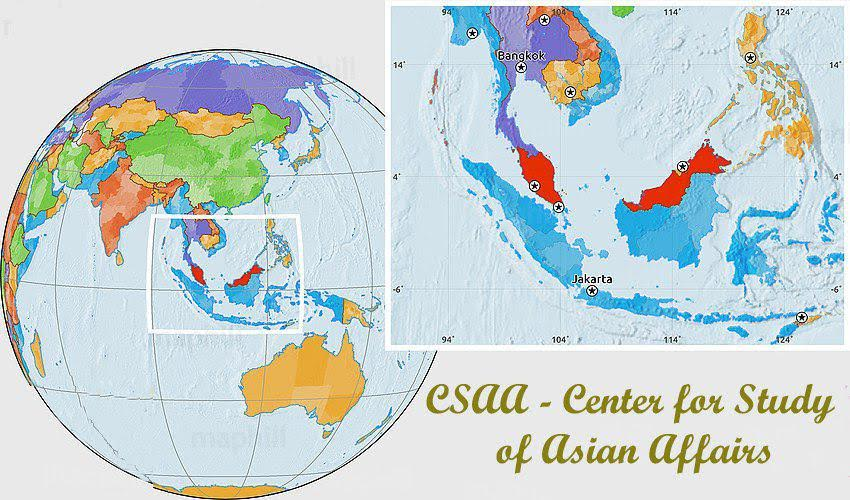
Our Newly established Center for study of Asian Affairs has
branches in Indonesia, Malaysia and Singapore, as well as freelances in some other countries.
For inquires, please contact: newsofasia.info@yahoo.com Mr.Mohd Zarif - Secretary of the Center and administer of the web-site www.newsofasia.net
Polls
 Loading ...