

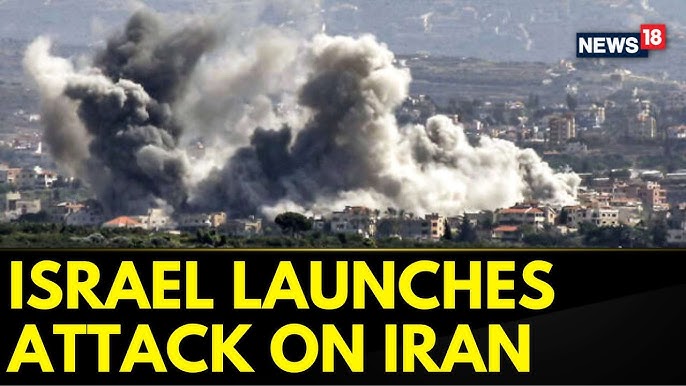
Japan prefers to ‘Chicken-out”: Takaichi declines to legally assess U.S.-Israeli attack on Iran
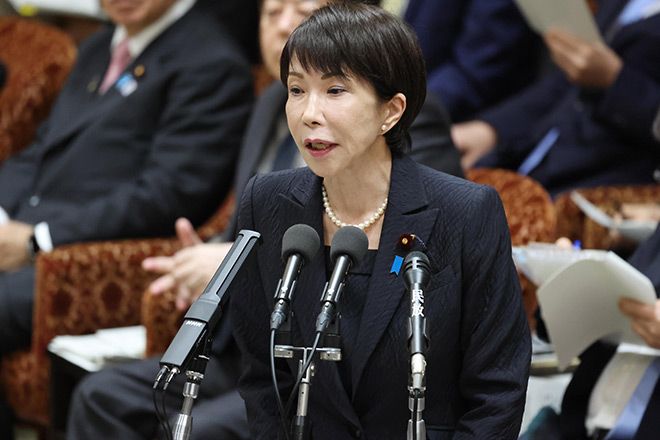 Prime Minister Sanae Takaichi answers questions during a Lower House Budget Committee session on March 2. (Takeshi Iwashita)
Despite being pressed by opposition lawmakers, Prime Minister Sanae Takaichi on March 2 declined to a legal assessment of the U.S.-Israeli military attack against Iran, saying her government lacked sufficient information to do so.
Speaking before the Lower House Budget Committee, Takaichi said: “We do not possess detailed information, including whether this was a measure for self-defense. Our country will refrain from making a legal assessment.”
The prime minister’s remarks came in response to questioning from Japanese Communist Party leader Tomoko Tamura.

“Respect for the sovereignty of each nation and the prohibition of the use of force are fundamental principles of the U.N. Charter and international law,” Tamura argued. “If pre-emptive strikes on sovereign nations and the overthrow of their state systems are permitted, the postwar international order of peace will collapse. Shouldn’t you demand that the United States and Israel stop their pre-emptive strikes?”
Takaichi stressed the breakdown of prior diplomatic efforts.
“We were in a position of strongly supporting the (nuclear issue) negotiations between the United States and Iran, but unfortunately, the negotiations did not go well, leading to the current situation,” Takaichi said.
She added that Japan has already begun diplomatic outreach “to exchange views with various countries, including coastal nations in the Middle East, and to make efforts to restore peace to the region.”
STRAIT OF HORMUZ STATUS
Chief Cabinet Secretary Minoru Kihara told reporters on March 2 the government has not determined if Iran’s effective blockade of the Strait of Hormuz constitutes a “survival-threatening situation” for Japan.
Most of Japan’s imports of Middle East oil go through the strait, and a prolonged blockade could seriously affect the Japanese economy.
Under Japanese security legislation, Japan can exercise the right of collective self-defense in a “survival-threatening situation” or an “important influence situation.”
“We have not made a judgment whether (the blockade) falls under these situations,” Kihara said.

- Previous Again no balls” Middle Empire”: China plays low profile time time around
- Next Cheerleading China, calls Gulf states to unite against external interference amid widening war against Iran
You may also like...




Random news










About us
Our Newly established Center for study of Asian Affairs has
branches in Indonesia, Malaysia and Singapore, as well as freelances in some other countries.
For inquires, please contact: newsofasia.info@yahoo.com Mr.Mohd Zarif - Secretary of the Center and administer of the web-site www.newsofasia.net
Polls
 Loading ...