

Japan to to fill defense ‘vacuum’ in Pacific to counter China
By MIZUKI SATO/ Staff Writer
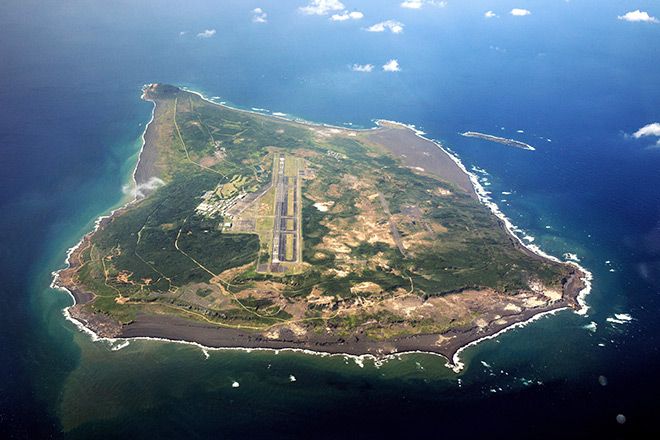 Iwoto, formerly known as Iwo Jima, lies about 1,200 kilometers south of Tokyo. (Asahi Shimbun file photo)
In light of China’s expanding military activities, Japan has created an organization to strengthen defense on the country’s Pacific flank, an area considered a low priority and more vulnerable to incursions.
Defense Minister Shinjiro Koizumi emphasized the significance of the 10-member Pacific defense initiative office, which was established on April 1.
“Strengthening our defense posture across the vast maritime and airspace areas on the Pacific side is an urgent task,” he said during a visit to the Pacific island of Iwoto, also known as Iwo Jima, on March 28.
“At present, it cannot necessarily be said that our capabilities are sufficient. Large swaths of the Pacific side are effectively a vacuum in our defenses,” he added.
The government plans to incorporate a policy of strengthening Pacific defenses when it revises the three key national security documents within the year.
Through the new office, the Defense Ministry plans to conduct cross‑cutting reviews of the Self‑Defense Forces’ posture and reflect the findings in the documents.
The office is housed within the ministry’s Bureau of Defense Buildup Planning, which is involved in formulating the Defense Buildup Program, one of the three security documents.
The program sets out the quantities of major defense equipment to be procured over a five-year period, as well as the required budget.
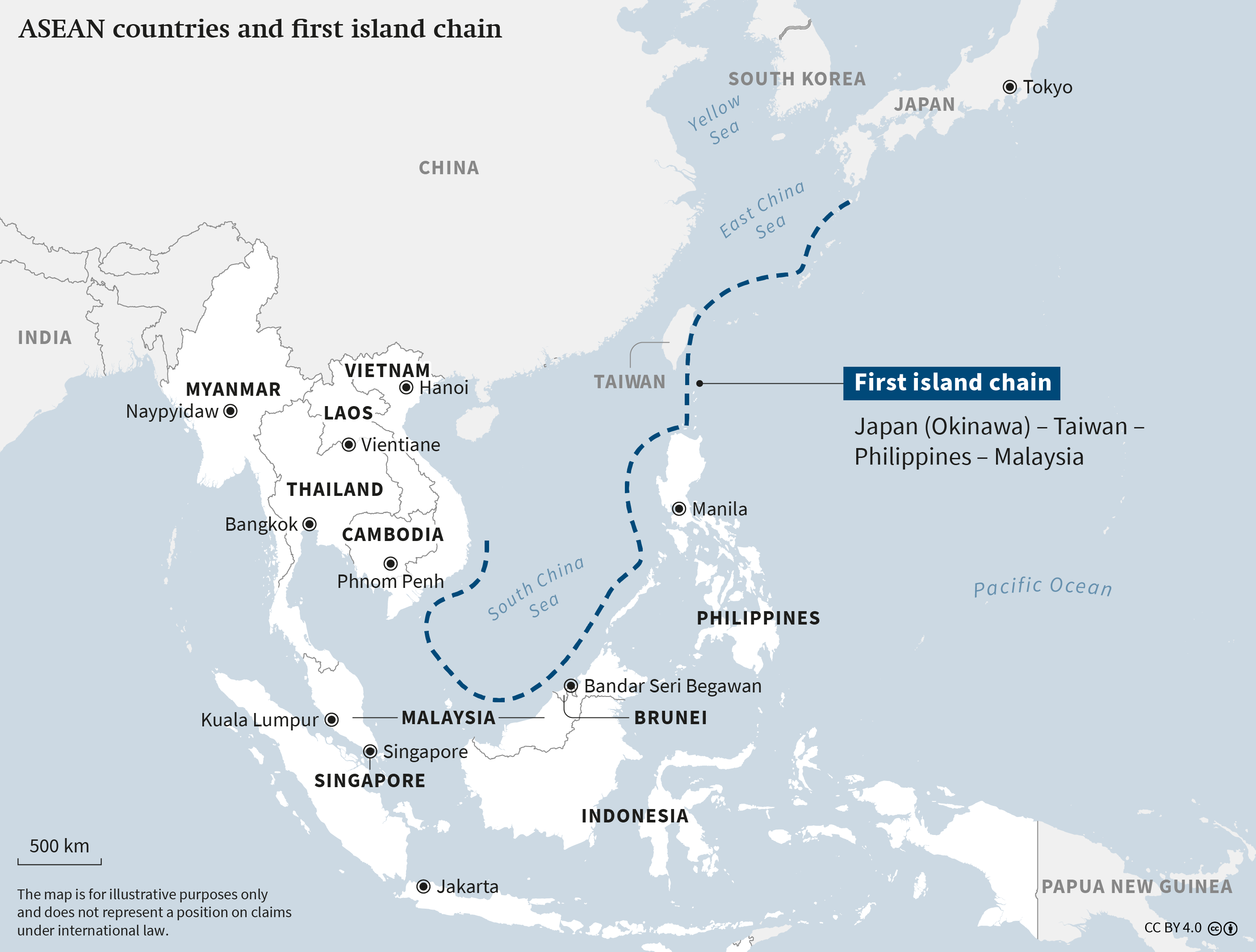
Until now, the Defense Ministry has prioritized establishing radar sites on the Sea of Japan coast to respond to North Korean missiles and along the East China Sea to counter China’s maritime expansion.
For example, the ministry is planning the permanent deployment of mobile early-warning and control radars on Amami Oshima island in Kagoshima Prefecture and Kita‑Daitojima island in Okinawa Prefecture.
However, China has also been intensifying its military activities in the Pacific.
In June, two Chinese aircraft carriers operated simultaneously in the Pacific for the first time and transited Japan’s exclusive economic zone. Carrier‑based aircraft conducted about 1,000 takeoff and landing drills.
It was also the first time a Chinese aircraft carrier advanced east of the Second Island Chain, which stretches from the Izu island chain to the U.S. territory of Guam.
Following this incident, concerns grew that Japan’s intelligence‑gathering, early warning and surveillance capabilities over the Pacific were limited.
Consequently, the Defense Ministry plans to begin surveys within the current fiscal year to deploy a mobile early-warning and control radar on Chichijima in the Ogasawara island chain, south of Tokyo.
The ministry is also considering bolstering radar functions on Iwoto and on Minami-Torishima island, Japan’s easternmost point about 1,800 kilometers from the main island of Honshu, according to ministry sources.
On Iwoto, surveys will begin on developing port facilities and runways to enhance the island’s air base functions.
There is even a proposal to permanently station SDF fighter jets on the island to enable rapid responses to Chinese military and other aircraft, the sources said.
However, the Pacific defense initiatives face many challenges in terms of effectiveness, cost and personnel.
Volcanically active Iwoto, for example, experiences significant land uplift, leading some ministry officials to point to the difficulty of undertaking infrastructure development there.
The ministry is also considering establishing an air defense identification zone over the Ogasawara island chain to reinforce Japan’s alert posture against incursions by foreign military aircraft.
However, with few islands and limited land suitable for radar installations, questions remain as to whether an ADIZ can be operated effectively.
Developing infrastructure on islands far from Honshu would also entail high costs, including expenses for transporting materials.
“We do not have an unlimited budget, and personnel are finite,” a Defense Ministry source said. “We need to carefully determine how best to allocate our resources.”

- Previous Chinese newspaper mocks Manila: South China Sea waters near the Philippines not a “West Philippine Sea,”
- Next Macron of France wants help of Japan on rare earths, safe Hormuz passage
You may also like...




Random news







About us
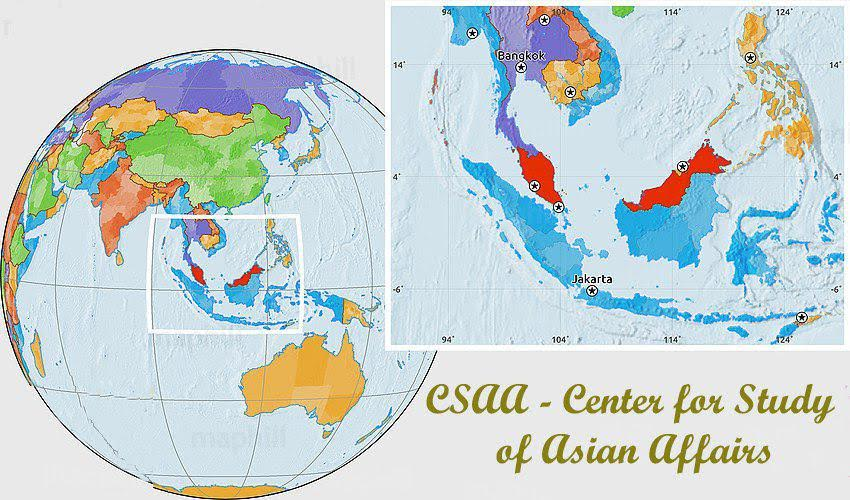
Our Newly established Center for study of Asian Affairs has
branches in Indonesia, Malaysia and Singapore, as well as freelances in some other countries.
For inquires, please contact: newsofasia.info@yahoo.com Mr.Mohd Zarif - Secretary of the Center and administer of the web-site www.newsofasia.net
Polls
 Loading ...