

Japan two railway lines collapsed: Failure to press button caused outage on train lines in Tokyo
By AYATERU HOSOZAWA/ Staff Writer
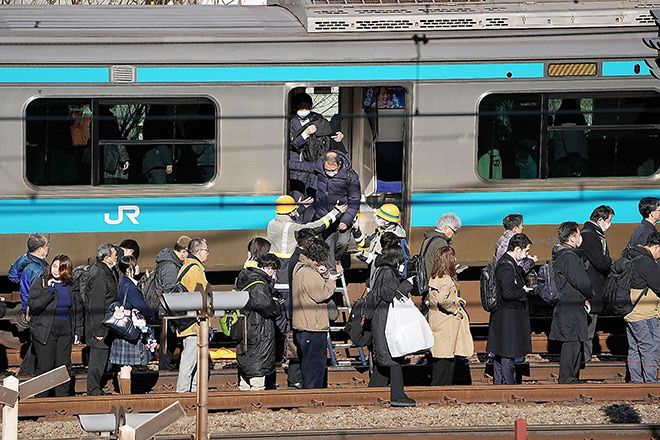 Passengers exit a Keihin-Tohoku Line train stuck between stations in Tokyo’s Minato Ward on Jan. 16. (Nobuo Fujiwara)
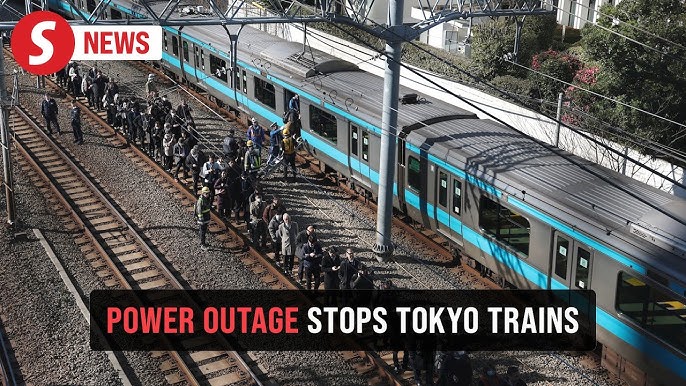
East Japan Railway Co. on Jan. 23 blamed human error for the power outage that stopped operations for about eight hours on the Yamanote and Keihin-Tohoku lines on Jan. 16, inconveniencing about 670,000 commuters.
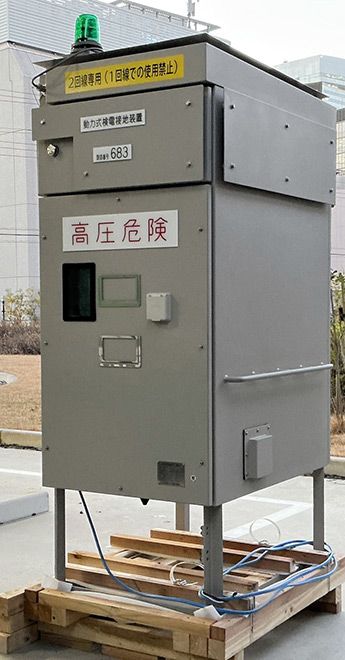
Power transmission was conducted although a safety device was not shut down after the end of construction the previous night.
A similar error in December led to a power outage on the Utsunomiya Line in Saitama Prefecture, but there was not enough time to institute a safeguard to prevent a recurrence.
According to JR East officials, a safety device to prevent electric shock accidents was used before the start of construction near Tamachi Station.
That cut the power transmission to the Yamanote and Keihin-Tohoku lines. But the simple pressing of a button to release the safety device after construction was completed was not carried out on the Yamanote Line side.
The power outage occurred when power transmission was resumed before the first train run of Jan. 16. However, the safety device could not be properly released due to the large power current.
A similar incident on the Utsunomiya Line on Dec. 13 led to the stoppage of operations for about two hours from the scheduled first run.

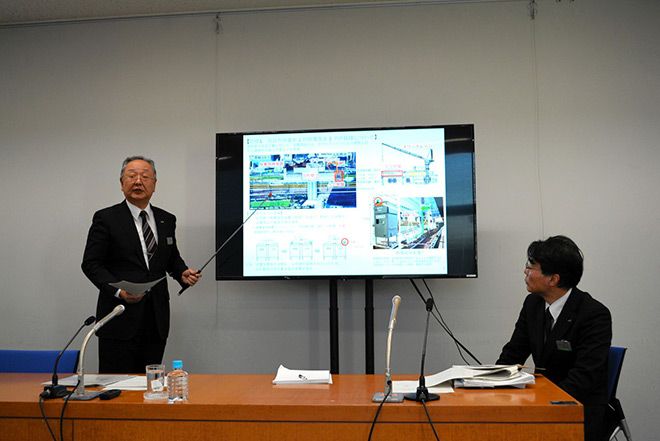
Osamu Kato, a JR East senior executive officer, said the company was still considering measures to prevent a recurrence after the Utsunomiya Line disruption.
“By using video conferencing as soon as possible, we will prevent work errors by including a double check system in handling safety devices,” he said. “We will also review our methods to resume operations when device malfunctions occur to speed up resumption of service.”

- Previous Government shifting away from inclusion of foreigners
- Next Are US warships nears to Mideast for Iran strike?
You may also like...





Random news














About us
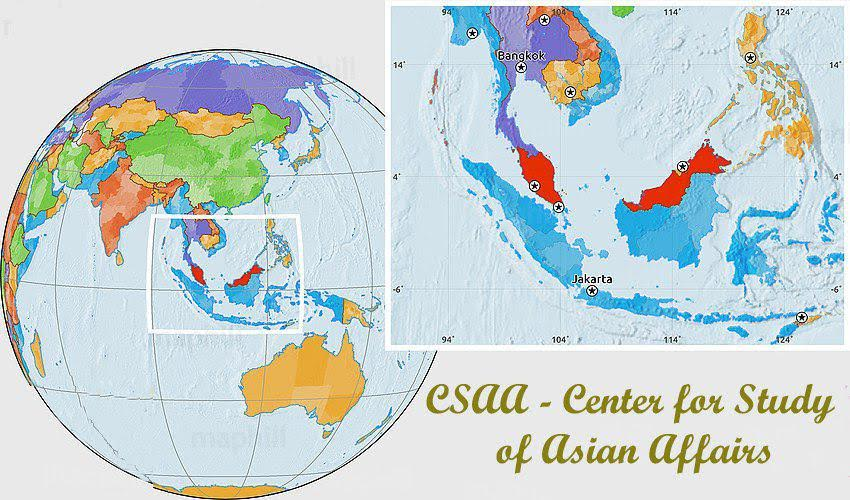
Our Newly established Center for study of Asian Affairs has
branches in Indonesia, Malaysia and Singapore, as well as freelances in some other countries.
For inquires, please contact: newsofasia.info@yahoo.com Mr.Mohd Zarif - Secretary of the Center and administer of the web-site www.newsofasia.net
Polls
 Loading ...