

Japanese military jets in India for joint training: Sending message to China
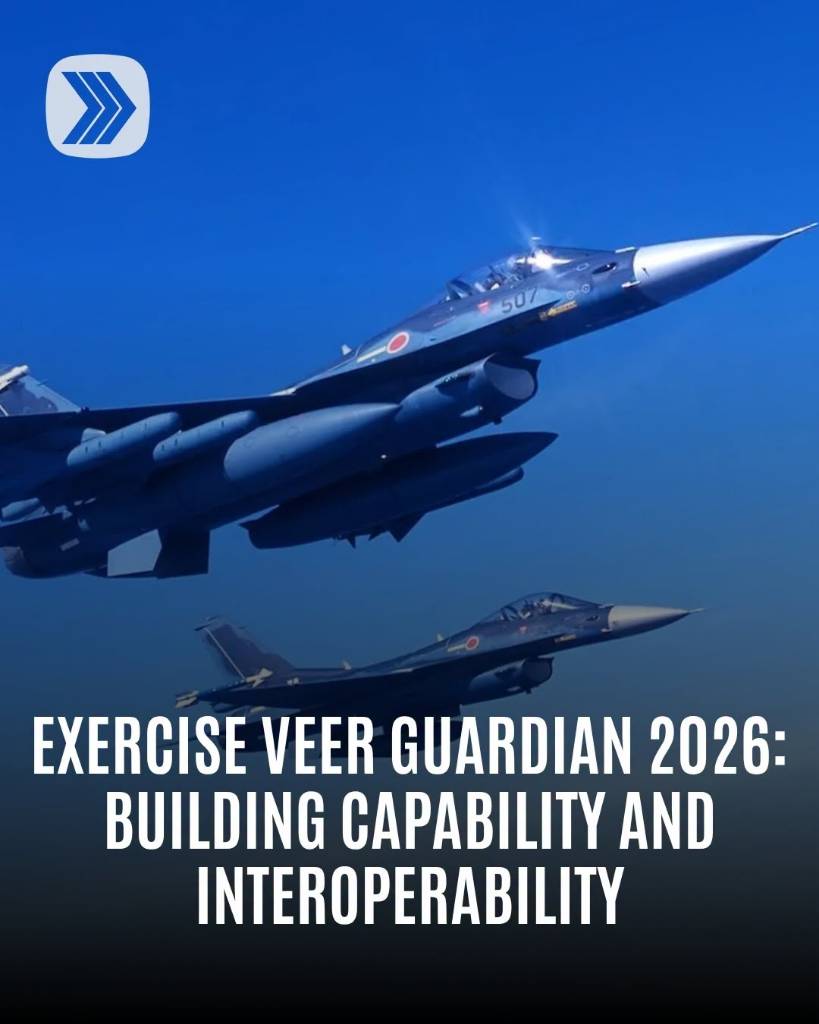
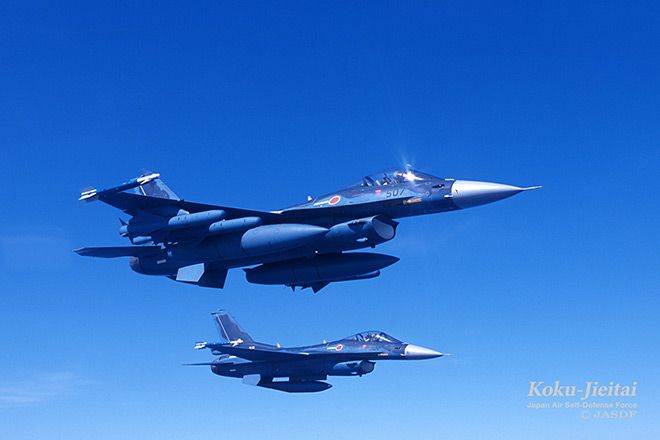 Air Self-Defense Force F-2 fighter jets (Captured from the ASDF website)
A trio of Air Self-Defense Force fighter jets arrived in India for the first time for joint training intended to underscore Japan’s heightened cooperation with like-minded nations.
Although Japan is limited in cooperating with other nations in response to military emergencies, one high-ranking Defense Ministry official said the ASDF dispatches can send a message to potential adversaries.
“Besides the United States, dispatching fighter jets to like-minded nations and displaying the depth of the relationship will serve as a deterrent for China,” the official said.
The F-2 fighter jets were dispatched to India to take part in the Veer Guardian 2026 joint training exercises that run from Sept. 9 until Sept. 21.

The jets departed Naha A Base in Okinawa on Sept. 6 and needed three days to cover the roughly 10,000-kilometer distance, including a stop in Thailand.
This joint exercise is part of a trend of increased dispatch of jets from and to Japan by various nations in response to the changing international environment.
Last year, the ASDF sent fighter jets to Europe for the first time. French fighter jets are scheduled to arrive in Japan in mid-September to take part in joint exercises.
At his Sept. 8 news conference, Defense Minister Shinjiro Koizumi said the latest dispatch would “symbolize the deepening of Japan-India defense cooperation.”
He added that efforts would be made to share tactics and improve flying skills, noting it would be an important endeavor to lay the foundation for future cooperation.
WITH ‘FIRSTS’ COME LOGISTICAL ISSUES
Excluding the United States, the first fighter jets from a foreign military to fly to Japan include the British Typhoon jets, which arrived at Misawa Air Base in Aomori Prefecture in 2016 for a joint exercise.
March and April this year marked yet another first, when five Dutch fighter jets arrived at Misawa for exercises with Japan and the United States.
SDF officers were surprised by the eagerness of the Dutch to strengthen cooperation, a reflection of concerns stemming from the ongoing Russian war in Ukraine.
From Japan, four ASDF F-15 fighter jets flew to Europe and Canada in September 2025, another first, as well as the United States for a two-week period.
The jets landed at British and German bases.
While ASDF members train in India, four French Rafale fighter jets are expected to fly to Hyakuri Air Base in Ibaraki Prefecture for joint training between Sept. 15 and 18.
Among the reasons for the increased cooperation among like-minded nations is the heightened uncertainty of what the U.S. military will do under President Donald Trump as well as the greater advances being made by China.
A former high-ranking Defense Ministry official said, “The ASDF was not used to flying outside of Japan because it had a high awareness of the need to protect Japanese airspace, but that has begun to change recently.”
A current ministry official said, “While there will be increased costs, the dispatch is meant to show a cooperative posture rather than just be all mouth.”
However, having to fly vast distances to these joint exercises has caused various problems.
The ASDF tried to send the first jets to India in summer 2024 but had to abandon the plan.
A Defense Ministry source said an insufficient mid-air refueling structure as well as concerns about flying into unfamiliar weather conditions were among the reasons for calling it off.
While jets did fly to Europe in 2025, a joint exercise was not held due to worries about pilot fatigue as well as the unfamiliar environment.
A high-ranking ministry official also pointed to the difficulties in obtaining clearance to fly over airspace of other nations along the route.
(This article was written by Mizuki Sato and Daisuke Yajima.)

- Previous To avert strike, Micron’s Taiwan workers to get rewards up to 68 months of pay
- Next Sary-Tash international transport and logistics center Planned Near China Border
You may also like...





Random news











About us
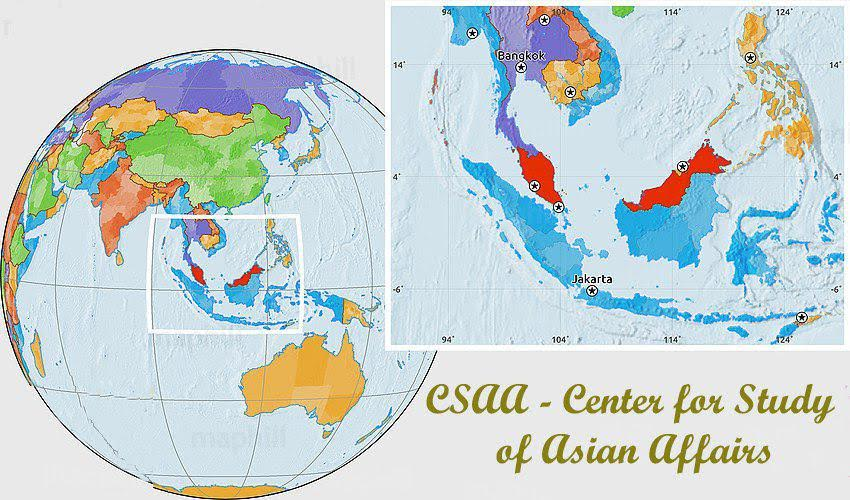
Our Newly established Center for study of Asian Affairs has
branches in Indonesia, Malaysia and Singapore, as well as freelances in some other countries.
For inquires, please contact: newsofasia.info@yahoo.com Mr.Mohd Zarif - Secretary of the Center and administer of the web-site www.newsofasia.net
Polls
 Loading ...