

LP Gas crisis in India: it is what, where it gets hit hard: after severe oil and petrol shortage
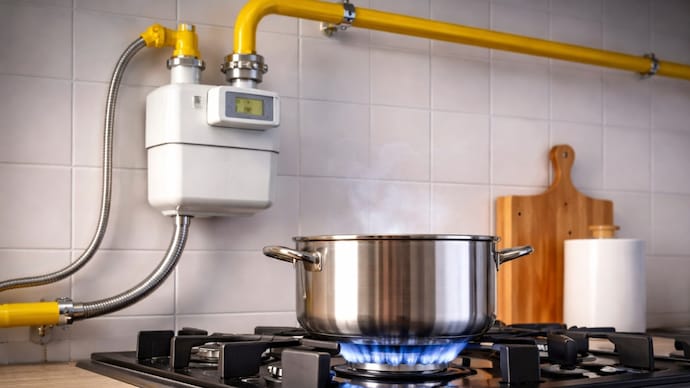
 Where does piped gas come from and will it run out?
India produces natural gas from offshore basins like the KG basin and onshore fields in Assam and Tripura, but domestic output meets only half of what the country needs. Offshore gas is extracted from within the seabed, while onshore gas is drilled on the land.

With the US-Israel-Iran conflict bringing the Strait of Hormuz to a near-standstill, the narrow chokepoint through which nearly 20 per cent of the world’s LNG trade transits, the country is staring at supply risks it did not see coming. But before it looks abroad, India does produce some of its own natural gas.
WHERE DOES INDIA PRODUCE ITS OWN GAS?
India is not entirely dependent on imports. In 2023, India’s total domestic gas production reached 36.4 billion cubic metres (bcm), meeting roughly half of the country’s gas demand.
This domestic output meets roughly 50 per cent of India’s total natural gas demand, with the other half imported primarily as LNG.

The country produces gas from several sedimentary basins scattered across its landmass and coastline.
The biggest contributor is the deepwater Krishna-Godavari (KG) basin off the eastern coast. Three fields in the KG basin, namely R Cluster, Satellites Cluster, and MJ, accounted for nearly 25 per cent of India’s total net production of 36 bcm in 2024, and are expected to produce a combined 85 bcm over their lifetime.
On land, the northeast plays a significant role. The Assam and Tripura basins have contributed nearly 47 per cent of India’s onshore production and 13 per cent of its total gas supply.
State-owned ONGC and Oil India are the leading operators in the Mumbai offshore, Assam, Tripura and Cambay basins, some of which have been producing gas since the 1960s.
However, the domestic picture has a ceiling. Until 2030, only moderate growth in domestic production is expected, with output in 2030 projected at just under 38 bcm, only about 8 per cent higher than 2023 levels.
WHY DOES INDIA STILL NEED TO IMPORT SO MUCH LNG?
Simply put, domestic production is not enough. India’s domestic gas supply is unlikely to fulfil all the country’s needs, so it imports LNG to make up the difference.
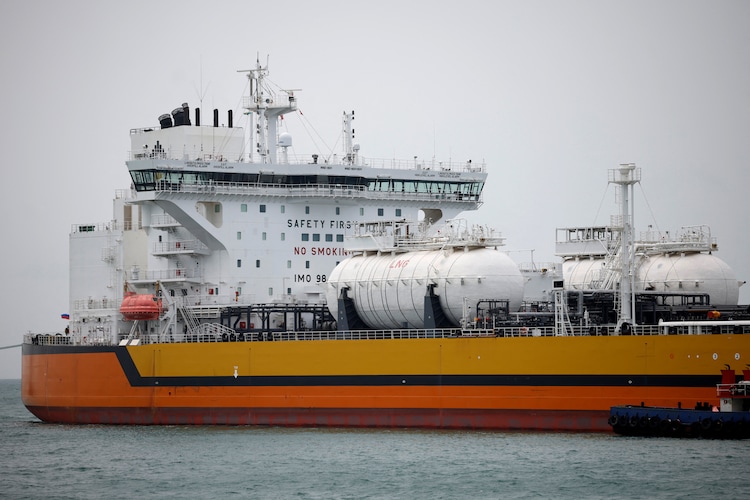
The government wants natural gas to account for 15 per cent of the energy mix by 2030, up from around 6 to 7 per cent today, which makes the gap even larger.
WHAT IS LNG USED FOR?
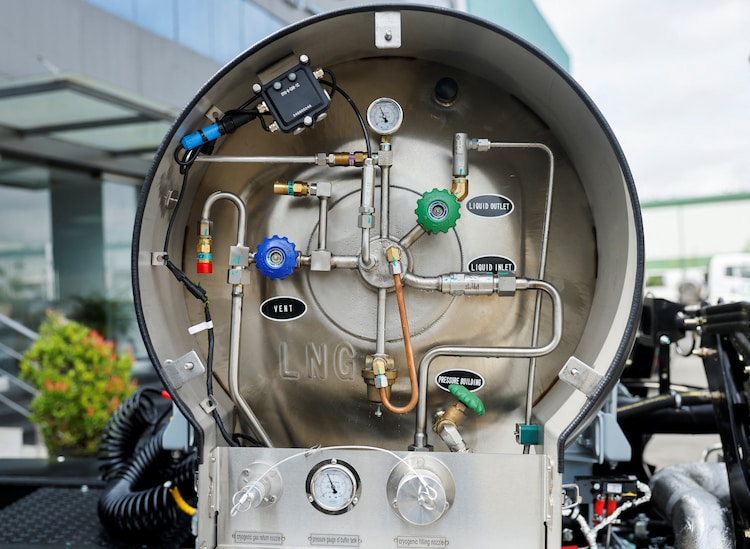
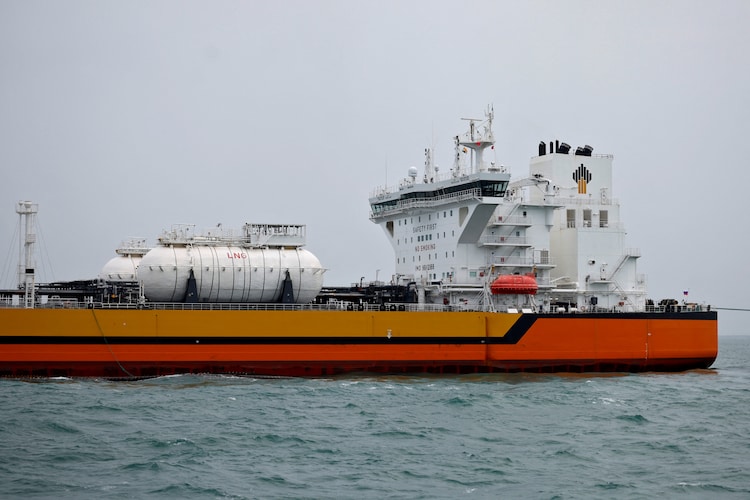
LNG is natural gas that has been super-cooled to around minus 162 degrees Celsius, shrinking it to about one-600th of its original volume so it can be loaded onto tankers and shipped across oceans. Once it arrives at a port, it is warmed back into gas and pushed into pipelines.
WHERE DOES INDIA IMPORT ITS LNG FROM?
The Middle East dominates. Qatar has been India’s top supplier for decades, and that is unlikely to change soon. The US has emerged as a fast-growing alternative, with American LNG exports to India rising sharply in recent years.
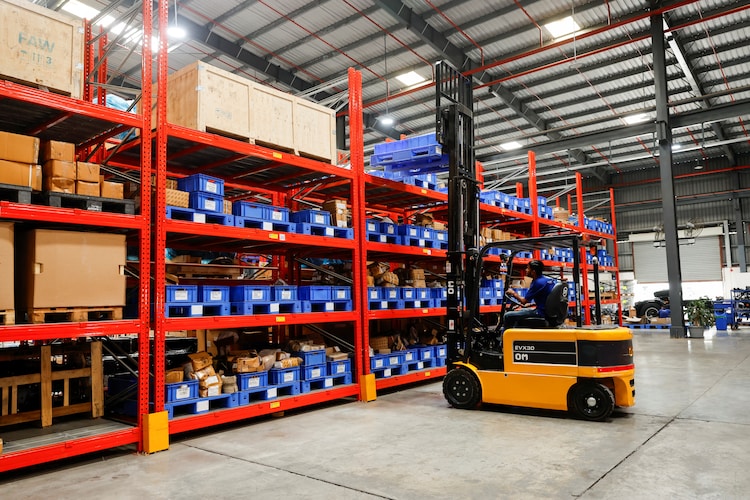
Other suppliers include the UAE, Oman, Australia, Russia, Nigeria and Algeria, giving India a reasonably diversified import portfolio.
WILL PIPED GAS RUN OUT?
No immediate PNG shortages are expected. City gas distributors hold 15–30 days buffer stocks and prioritise household/industrial allocations over CNG vehicles.
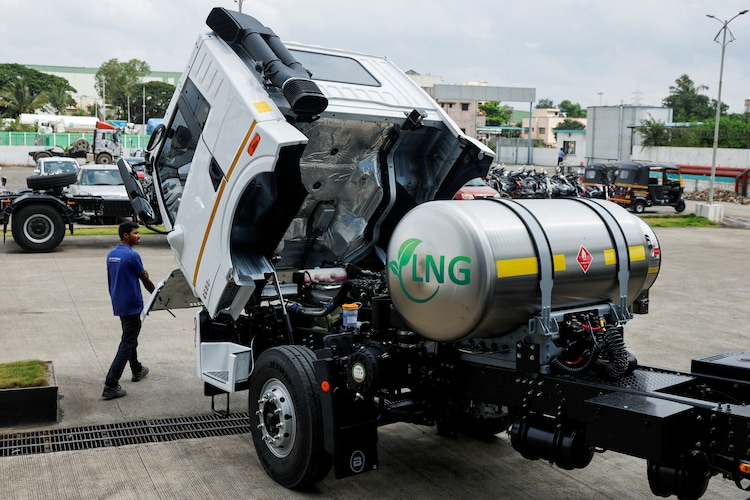
However, prolonged Strait of Hormuz disruptions beyond April could spike PNG prices by 20–30 per cent and trigger rationing in high-demand cities like Delhi, Mumbai, and Gujarat.
Fertiliser plants already face feedstock curbs from Qatar LNG drops, with ripple effects possible for PNG if domestic output plateaus while demand surges.
LNG is cooled to around minus 162 degrees Celsius so it can be shipped in tankers. Once it arrives, it is warmed back into gas at regasification terminals along India’s coastline.
Petronet LNG’s terminal at Dahej in Gujarat is by far the busiest. India’s total gas production increased by nearly 30 per cent between 2020 and 2024, but the import terminals are still running hard to keep pace.
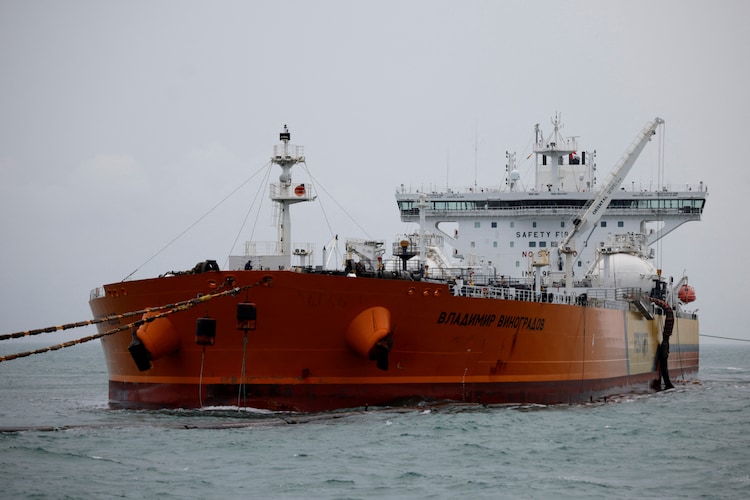
Other key terminals operate at Hazira, Dabhol, Kochi, Dhamra and Ennore.
India is also building new terminals, including a facility at Gopalpur on the east coast, to handle the rising volumes expected through the rest of the decade.
IS THE WAR IN WEST ASIA A THREAT TO INDIA’S GAS SUPPLY?
Yes. The US-Israel-Iran war, which escalated in late February 2026, has placed India’s energy security under serious strain. Nearly 50 to 60 per cent of India’s LNG imports, mainly from Qatar and the UAE, and 90 per cent of LPG imports transit through the Strait of Hormuz, are now at a near-standstill.
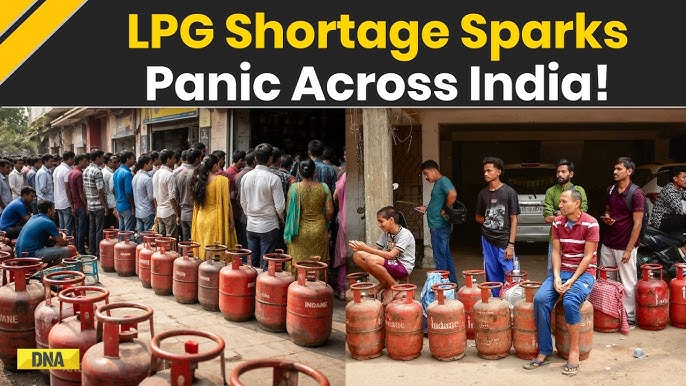
India imports about 60 per cent of its LPG consumption, and of those imports, about 90 per cent come through the Strait of Hormuz, which has been impacted due to current developments. The disruption has already been felt in Indian kitchens. LPG deliveries are facing delays of seven to 14 days, with households advised booking gaps of 25–45 days to curb demand.
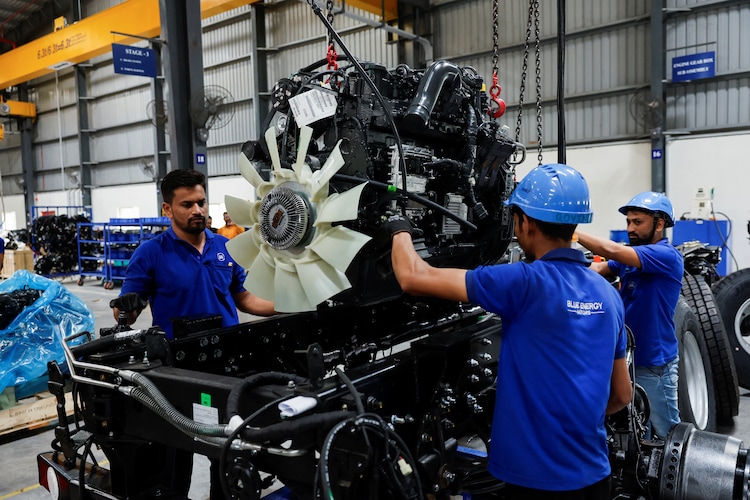
Following a drop in LNG output from Qatar, India has been forced to cut production at three of its own urea plants, with ripple effects on fertiliser supply and food production.
Among import terminals, Petronet LNG’s Dahej facility is the most exposed, with about 76 per cent dependence on Hormuz-linked supplies.
In response, India is actively scouting alternatives. Australia has offered additional gas supplies to help India offset the shortfall, while India is increasing LPG intake from the US Gulf Coast.
Canada has also signed a strategic energy partnership with India, with both countries working on India’s first long-term LPG supply arrangement.
WHAT IS HAPPENING TO LPG SUPPLY IN INDIA?
LPG, or liquefied petroleum gas, is a different fuel from LNG, but it travels through the same chokepoint. India imports LPG from six major suppliers: Qatar, the UAE, Kuwait, Saudi Arabia, Oman and the United States. India is currently the world’s second-largest LPG consumer, and over the past decade, the share of imports in total LPG consumption has grown from 47 per cent in 2014 to about 60 per cent today.
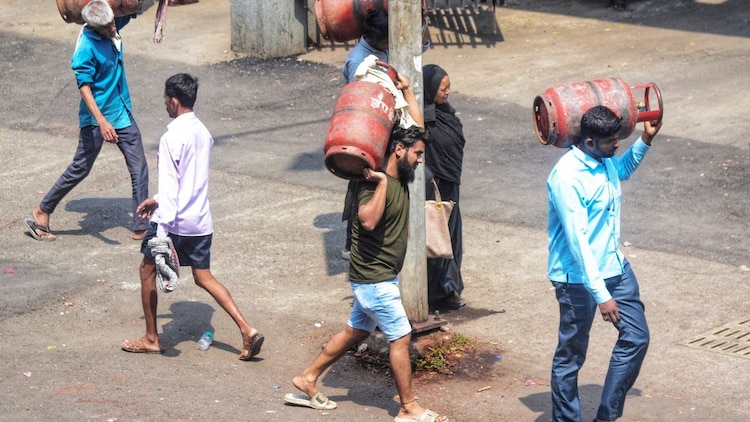
LPG arrivals from Qatar/Saudi have dropped by around 30 per cent. India’s LPG storage capacity stands at roughly 1.2–1.4 million tonnes.
The government has invoked the Essential Commodities Act, conducting over 12,000 raids and seizing more than 15,000 cylinders to combat hoarding and black marketing. Domestic refinery LPG output up 36 per cent. India is also scouting for alternative suppliers, including the United States, Canada and Australia, though shipments from the US take around 45 days on average to reach India, compared to just seven to eight days from Gulf ports.
WILL INDIA NEED EVEN MORE GAS IN THE FUTURE?
Almost certainly. India’s LNG demand is projected to grow steadily, reaching 64 bcm per year by 2030, an annual average growth rate of 11 per cent for the 2023 to 2030 period, twice the average rate of the previous 10 years.
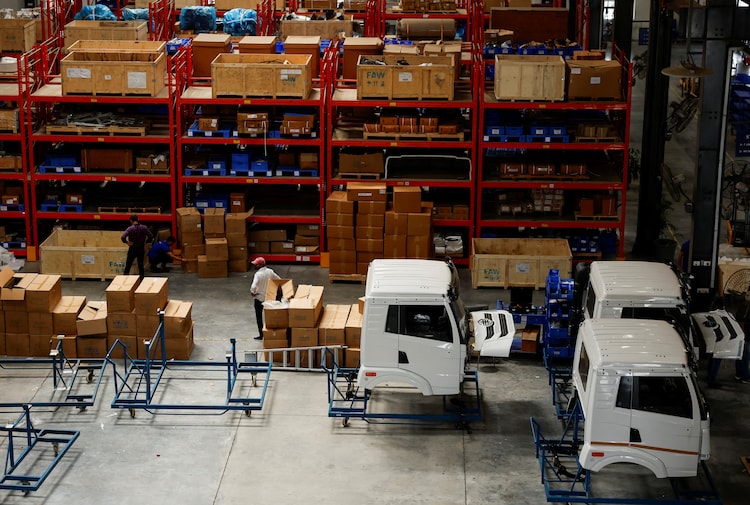
India’s oil and gas production is expected to achieve a mid-decade peak around 2027, driven by KG basin projects operated by Reliance Industries and ONGC.
But even that boost will not close the gap. As domestic fields mature and demand surges, and with West Asia no longer the reliable supplier it once was, imported LNG will only become more central to India’s energy future.

- Previous How a war at sea threatens the petrodollar order!?
- Next PM of Malaysia Anwar concludes Jakarta visit after meeting with President Prabowo
You may also like...





Random news








About us
Our Newly established Center for study of Asian Affairs has
branches in Indonesia, Malaysia and Singapore, as well as freelances in some other countries.
For inquires, please contact: newsofasia.info@yahoo.com Mr.Mohd Zarif - Secretary of the Center and administer of the web-site www.newsofasia.net
Polls
 Loading ...