

Mideast crisis bumps chemical prices along supply chain

By TAKEHIRO TOMODA/ Staff Writer
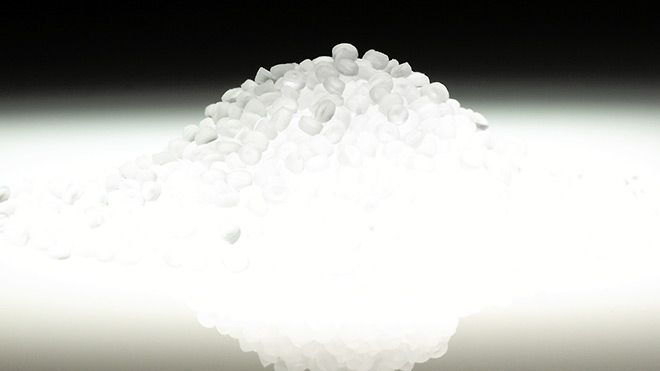
 Polyvinyl chloride resin is a material used to make water pipes and housing materials. (Provided by Shin-Etsu Chemical Co.)
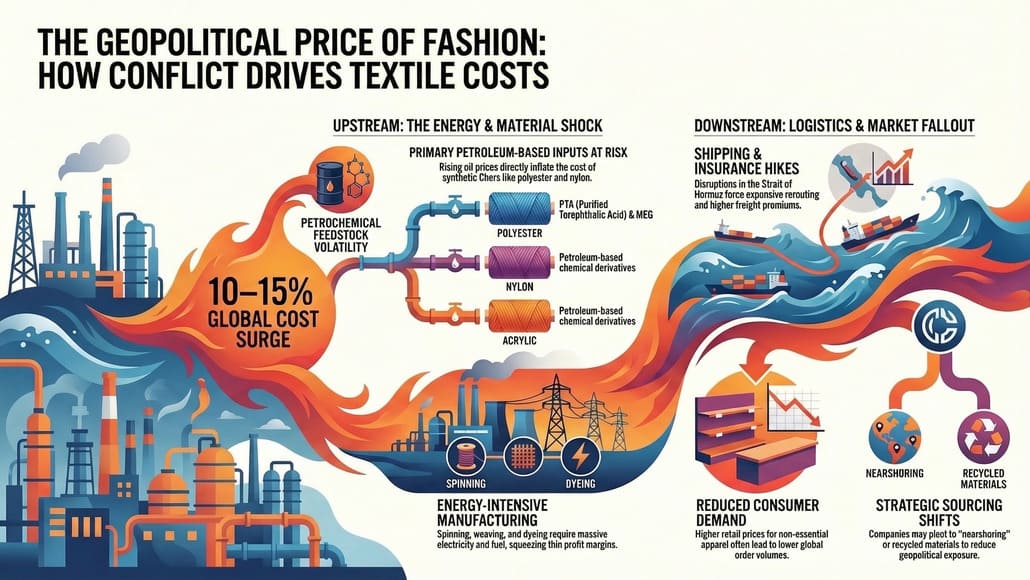
Chemical prices are rising against the backdrop of mounting tensions in the Middle East, and the impact is gradually affecting items tied to consumers’ wallets.
Household finances could be eventually squeezed if companies pass higher raw material costs onto their product prices across the supply chain.
The liquid naphtha, a product of crude oil refining, is where this domino effect starts spilling across multiple sectors.
Chemical manufacturers process naphtha to produce basic petrochemicals, such as ethylene and propylene, which serve as feedstocks for a broad range of materials used for food packaging and building materials, among other products.
More than 40 percent of the naphtha used in Japan is imported from the Middle East.
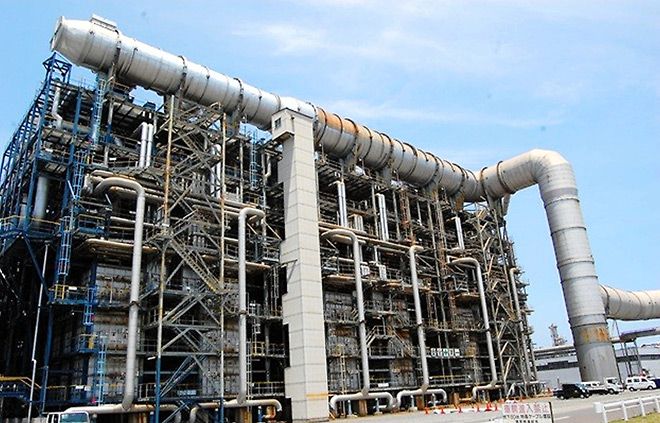
With the Strait of Hormuz effectively closed, companies are cutting back on ethylene production, anticipating disruptions in naphtha procurement.
At least six of the nation’s 12 ethylene production facilities have decided to reduce output.
Operators have lowered capacity utilization rates while keeping production facilities online because it takes more than a month to restart the facilities once they are shut down.
The decline in ethylene output and the rise in naphtha prices are leading to price hikes for intermediate products known as “derivatives.”

Shin-Etsu Chemical Co. will raise prices for polyvinyl chloride resin for the domestic market by about 20 percent, effective for deliveries starting April 1.
Polyvinyl chloride resin is widely used for water pipes and housing materials because it is easy to process and resistant to combustion.
Tosoh Corp. will raise prices for polyethylene, which is processed into food containers and IV drip bags used in medical settings, for deliveries from April 1.
The company cited rising naphtha prices as the reason.
Both companies said the margin of the price increases is substantially larger than in past hikes.

Denka Co., meanwhile, has raised prices for polyvinyl alcohol, a resin used in adhesives and glues, by about 5 to 10 percent.
The company said surging naphtha prices were one of the factors behind the increase.
The Japan Petrochemical Industry Association said there is no immediate risk of supply shortages for derivative intermediates.
Domestic inventories of derivative products cover about two months of domestic demand, and those of key products such as polyethylene stand at about three and a half to four months’ worth, according to the association.

Even so, a representative at a major chemical manufacturer said price increases for chemical products due to developments in the Middle East are expected to gain momentum going forward.
Koshiro Kudo, chairman of the Japan Petrochemical Industry Association and president of Asahi Kasei Corp., is concerned about the impact on small and midsize enterprises among chemical makers’ customers, which often have difficulty passing on higher costs.
Kudo said on March 24 that if ethylene production cuts and high naphtha prices drag on, such companies will become unable to withstand the cost increases and will be forced to scale back or even suspend factory operations.

You may also like...





Random news











About us
Our Newly established Center for study of Asian Affairs has
branches in Indonesia, Malaysia and Singapore, as well as freelances in some other countries.
For inquires, please contact: newsofasia.info@yahoo.com Mr.Mohd Zarif - Secretary of the Center and administer of the web-site www.newsofasia.net
Polls
 Loading ...