

Not so fast: May be in 2050: Could Turkiye be alternative energy corridor amid Hormuz impasse
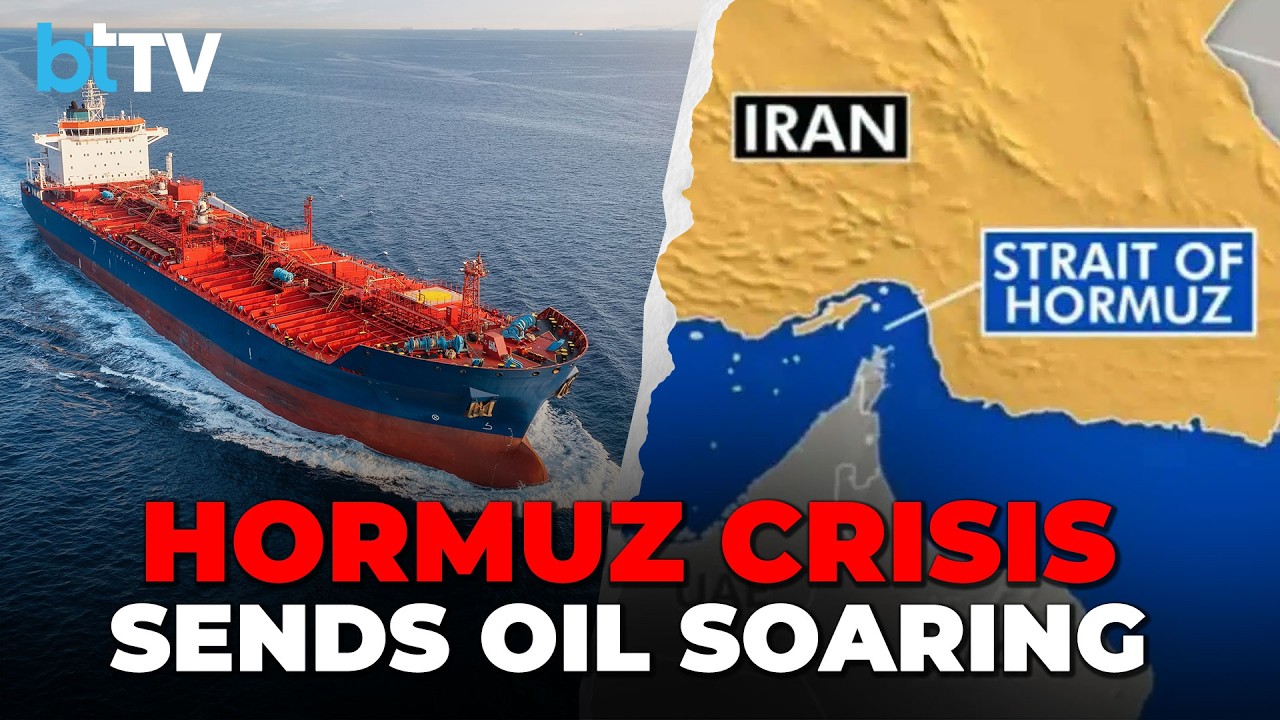
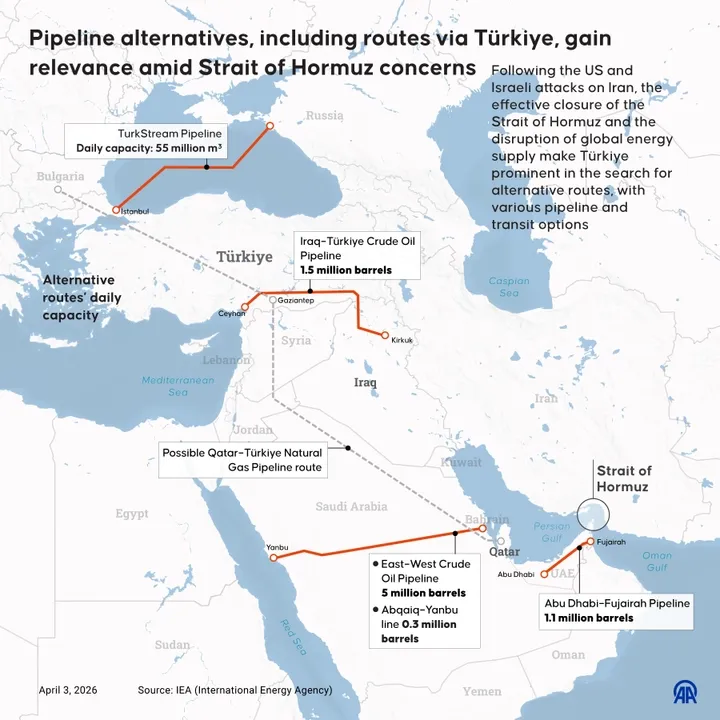

The effective closure of the Strait of Hormuz following attacks by the U.S. and Israel on Iran has disrupted global energy supplies and increased interest in alternative export routes.
And many see Türkiye emerging as one of the key options due to its multiple pipeline and transit links.
While the Strait of Hormuz has not been formally declared closed, Iranian authorities have imposed tight controls and restrictions on maritime traffic and oil shipments.
Only ships from selected countries are reportedly being allowed to pass freely, while other vessels face conditional access.
The Strait of Hormuz handles around 20% of global oil trade, and disruptions have put roughly 15 million barrels per day of crude oil flows at risk.
Tanker movements in the area have slowed dramatically, with some days seeing almost no traffic and overall transit falling by more than 90%.
Rising insurance costs and security concerns have added further pressure on shipments.
Oil prices have climbed from around $70 per barrel to as high as $120, marking an increase of roughly 70%, while Europe’s benchmark TTF gas contracts have risen from around 30 euros ($35) to between 60 and 70 euros.

Although the International Energy Agency (IEA) has moved to release 400 million barrels of emergency oil stocks to ease market pressure, concerns over a broader regional war continue to drive volatility.
Existing alternatives have limited capacity
Alternative routes through Saudi Arabia and the United Arab Emirates (UAE) remain available, but their combined spare capacity is limited.
According to International Energy Agency data, about 20 million barrels per day passed through Hormuz in 2025, while alternative pipelines through Saudi Arabia and the UAE can only provide between 3.5 million and 5.5 million barrels per day of additional capacity.
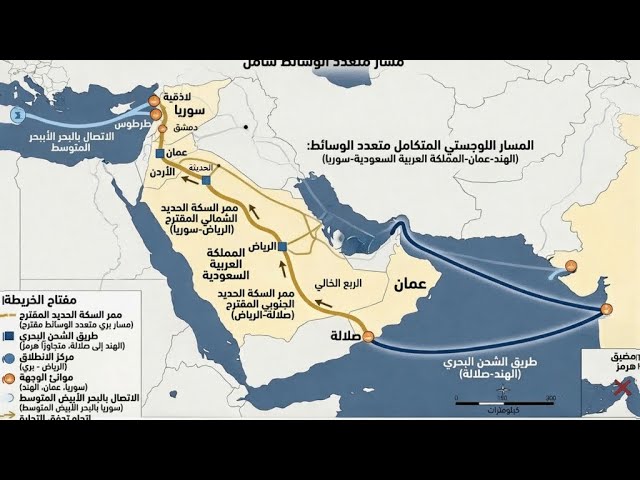
The UAE exports around 1.1 million barrels per day through the Abu Dhabi-Fujairah pipeline and has roughly 700,000 barrels per day of spare capacity.
Saudi Arabia’s East-West crude oil pipeline has a design capacity of around 5 million barrels per day, though only 3 million to 5 million barrels per day of additional space is available after current usage.
Strategic route
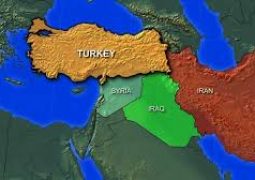
Energy Minister Alparslan Bayraktar recently highlighted the potential role of the Iraq-Türkiye Crude Oil Pipeline, which stretches from Kirkuk to Ceyhan.
Bayraktar said the pipeline has a capacity of 1.5 million barrels per day and could be used more intensively to transport Iraqi crude to the Mediterranean.
He also pointed to the possibility of transporting gas from Qatar to Türkiye and potentially onward to Europe through pipelines, especially at a time when LNG exports face risks from damaged infrastructure and Hormuz-related disruptions.
Türkiye has also been discussed as a possible destination for future oil pipelines terminating in Hatay as part of longer-term diversification efforts.
While some alternatives exist for crude oil, experts say the LNG market remains far more vulnerable because Hormuz remains a critical route for global liquefied natural gas shipments.
Türkiye is also strengthening its role in natural gas transit to Europe.
Flows through the TurkStream pipeline rose 22% year-over-year in March to 55 million cubic meters per day.
Exports through the Kirkuk-Ceyhan pipeline, which resumed on March 17, are expected to rise from an initial 170,000 barrels per day to 250,000 barrels per day.
Türkiye’s role likely medium-term
Claudia Kemfert, head of the Energy, Transportation and Environment Department at the German Institute for Economic Research, said a prolonged disruption in Hormuz would keep oil and LNG prices elevated and increase dependence on strategic reserves.
Kemfert said existing alternative pipelines, particularly those in Saudi Arabia and the UAE, do not have enough capacity to offset a major disruption, leaving global markets structurally vulnerable.
She said Türkiye could strengthen its role as a transit corridor connecting the Caspian region, the Middle East and Europe in the medium term,”However, current infrastructure constraints limit the capacity to compensate for large-scale disruptions in the short term. Türkiye’s alternative role may predominantly be at a strategic and medium-term level,” Kemfert noted.
She also said prolonged instability in Hormuz is likely to accelerate a shift away from Gulf dependence and benefit LNG exporters such as the U.S., as well as pipeline gas suppliers, including Norway and North African producers.

You may also like...


Random news


About us
Our Newly established Center for study of Asian Affairs has
branches in Indonesia, Malaysia and Singapore, as well as freelances in some other countries.
For inquires, please contact: newsofasia.info@yahoo.com Mr.Mohd Zarif - Secretary of the Center and administer of the web-site www.newsofasia.net
Polls
 Loading ...