

Taiwan, Japan worry over Chinese military movements
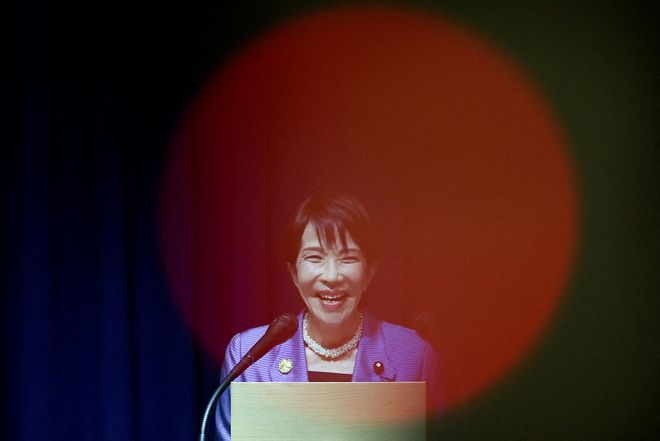 Japanese Prime Minister Sanae Takaichi speaks during a press conference after the Asia-Pacific Economic Cooperation (APEC) summit in Gyeongju, South Korea, on Nov. 1. (REUTERS/File Photo)
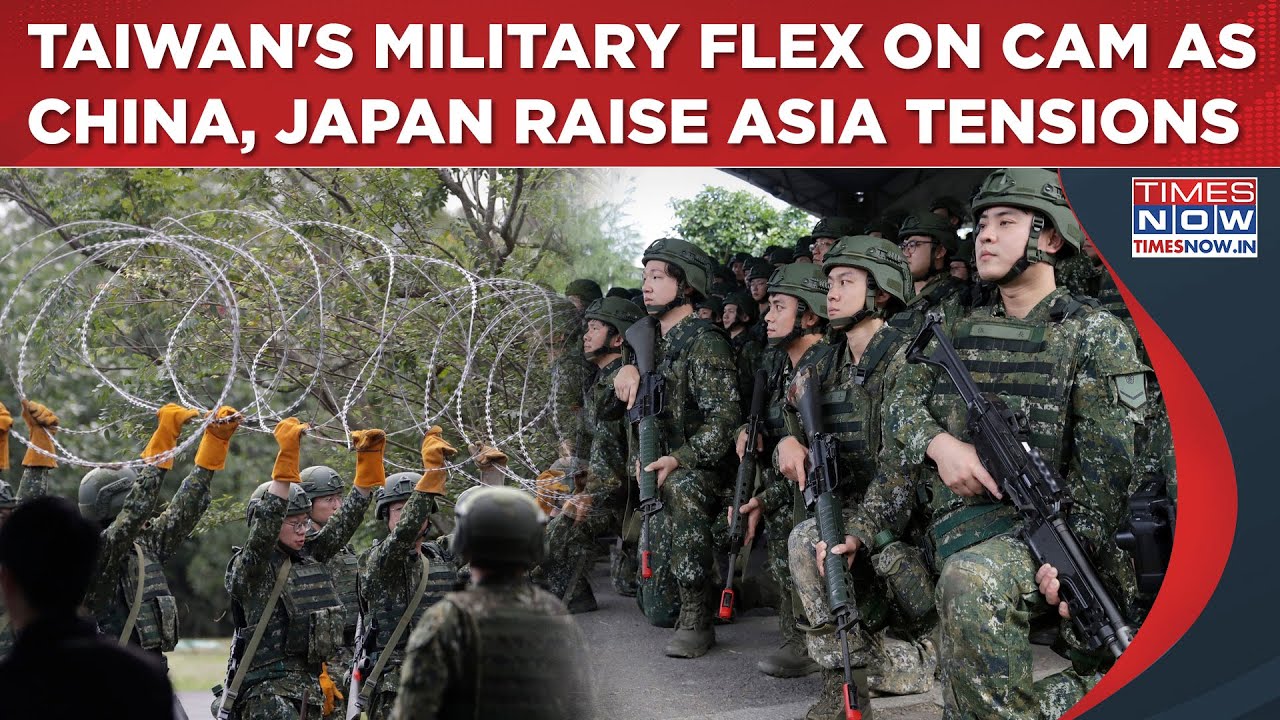
TAIPEI/TOKYO–Taiwan and Japan voiced concern on Friday over Chinese military activities in the region, after Reuters reported that Beijing had deployed a large number of vessels across East Asian waters this week in its largest maritime show of force to date.
Reuters exclusively reported on Thursday that China was deploying a large number of naval and coast guard ships across East Asian waters – at one point more than 100 – citing sources and intelligence reports reviewed by Reuters.

Talking to reporters in Taipei, Taiwan presidential spokesperson Karen Kuo said the Chinese activity was not confined to the Taiwan Strait but stretched from the Yellow Sea down through waters near the disputed Senkaku Islands in the East China Sea, into the South China Sea and the western Pacific.
“This indeed poses a threat and impact to the Indo-Pacific and the whole region,” she said. “We also especially call on China to live up to its responsibilities as a major power and to exercise restraint in its actions.”

Kuo said Taiwan President Lai Ching-te had instructed the security forces to maintain full situational awareness and provide timely updates. Taiwan would keep close contact and cooperation with unspecified “friendly partners” to jointly safeguard peace and stability in the Indo-Pacific, she said.

In Tokyo, Defense Minister Shinjiro Koizumi, asked about Chinese activity in the East China Sea, said Japan was aware of the reports and was watching Chinese military movements “with great attention”, while declining to comment on the specific deployment.
“China has been expanding and stepping up its military activities in the areas surrounding Japan, and we make a constant effort to gather and analyse information on Chinese military movements with great attention,” he told reporters without giving a time frame of the Chinese activities.
“In any event, the government will continue to monitor developments around Japan with deep concern and will make every effort to ensure thorough information gathering and surveillance,” he said.
China’s military has not commented, but Lin Jian, a spokesperson of its foreign ministry, said navy and coast guard activities in “relevant maritime areas” adhered strictly to domestic and international law.
“There is no need for any party to overreact, overinterpret, or engage in baseless speculation,” he said in Beijing.

November and December are traditionally a busy season for Chinese military exercises, though the People’s Liberation Army has not made any announcements of large-scale officially named drills.
The operations exceed China’s mass naval deployment in December last year that prompted Taiwan to raise its alert level, the sources said.
The rise in activity is happening as China and Japan are in a diplomatic crisis after Japanese Prime Minister Sanae Takaichi said last month that a hypothetical Chinese attack on democratically ruled Taiwan could trigger a military response from Tokyo.
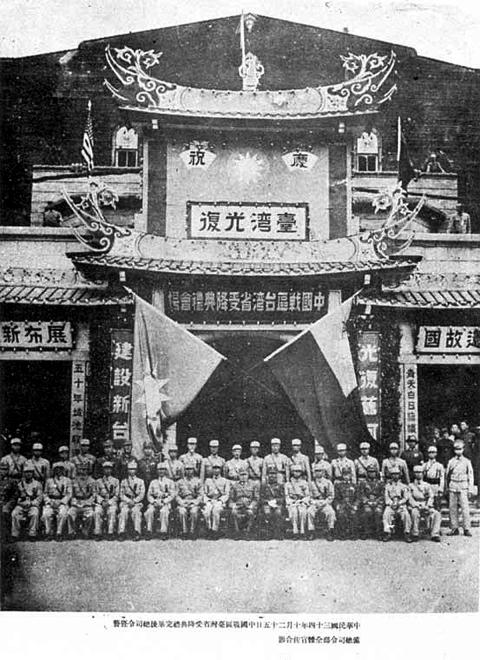
Beijing has also been angered by an announcement last month by Taiwan President Lai Ching-te of an extra $40 billion in defense spending to counter China, which views the island as its own territory over Taiwan’s strong rejection.

- Previous Water Allocations from Amu Darya and Syr Darya agreed among neighbors for 2026
- Next Trump gets first FIFA Peace Prize at 2026 World Cup draw
You may also like...



Random news






About us
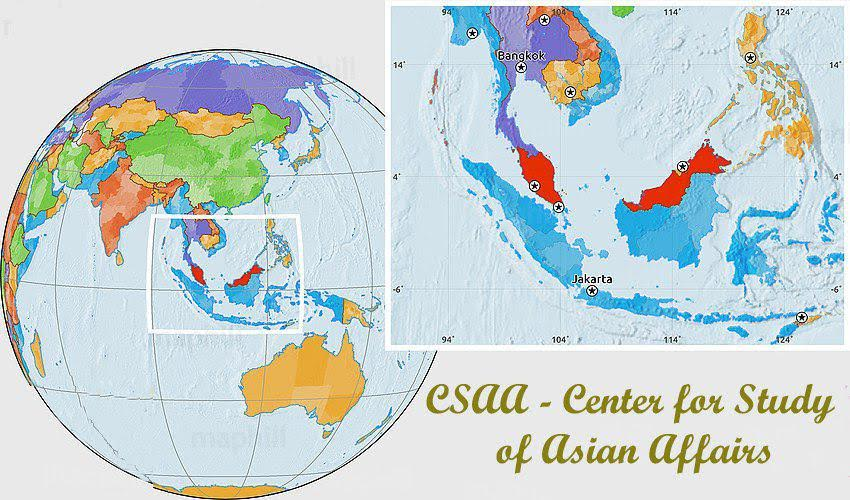
Our Newly established Center for study of Asian Affairs has
branches in Indonesia, Malaysia and Singapore, as well as freelances in some other countries.
For inquires, please contact: newsofasia.info@yahoo.com Mr.Mohd Zarif - Secretary of the Center and administer of the web-site www.newsofasia.net
Polls
 Loading ...