

To sail through stormy times, Japan to create “National Intelligence Council”
By HARUKA SUZUKI/ Staff Writer
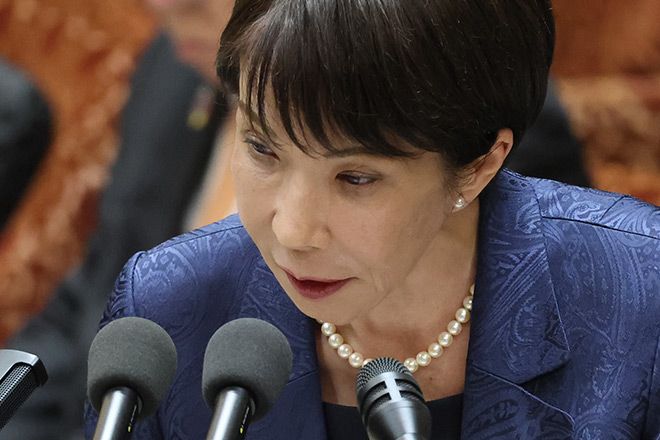 Prime Minister Sanae Takaichi responds to questions during a session of the Lower House Budget Committee on March 12. (Takeshi Iwashita)
The Japanese government on March 13 signed off on a bill to create a “National Intelligence Council,” a new command center for intelligence policy headed by the prime minister, and an operational “National Intelligence Agency.”
The moves aim to repair and strengthen Japan’s fragmented intelligence structure, long criticized for being “siloed” across agencies such as the Foreign Ministry, Defense Ministry and National Police Agency.
The goal is to centralize intelligence gathering and analysis to bolster national policymaking.
The National Intelligence Council will consist of 11 Cabinet ministers, including the prime minister as chair, the chief Cabinet secretary, and the foreign and defense ministers. The council will be mandated with covering security, counterterrorism and countering foreign espionage.
Serving as the council’s secretariat, the National Intelligence Agency will be staffed by bureaucrats and absorb the existing Cabinet Intelligence and Research Office (Naicho).
The agency will be led by a new director at the parliamentary vice minister level, an upgrade from Naicho’s current administrative vice minister-level head.
In addition to conducting its own intelligence-gathering operations, the new agency will be granted “comprehensive coordination authority” to consolidate and analyze information from all government ministries.
These new bodies will be given the same status as the National Security Council (NSC) and its National Security Secretariat (NSS), a change designed to give the prime minister’s office strong, direct leadership over intelligence policy, mirroring its role in foreign and security affairs.
Prime Minister Sanae Takaichi has designated the strengthening of intelligence functions as one of her three “key policy shifts,” alongside beefing up national security and pursuing a responsible, active fiscal policy.
The government aims to pass the legislation during the current Diet session and launch the new organizations as early as July.
Once established, the council will be tasked with formulating Japan’s first-ever “National Intelligence Strategy” by the end of the year.

- Previous Japan to sell warships and radars to Philippines and Indonesia
- Next Iran war 3rd week on: warring sides trade threats as soaring flames rattles global markets
You may also like...




Random news












About us
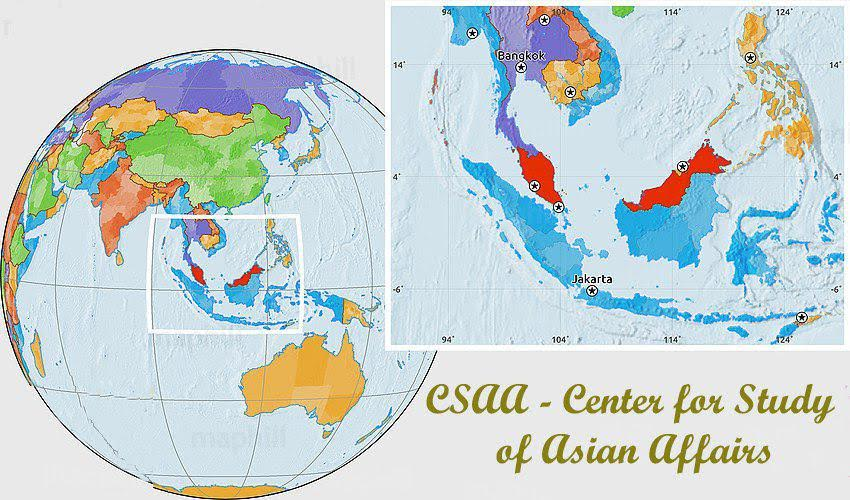
Our Newly established Center for study of Asian Affairs has
branches in Indonesia, Malaysia and Singapore, as well as freelances in some other countries.
For inquires, please contact: newsofasia.info@yahoo.com Mr.Mohd Zarif - Secretary of the Center and administer of the web-site www.newsofasia.net
Polls
 Loading ...