

Trade of Central Asian states with Afghanistan set to increase
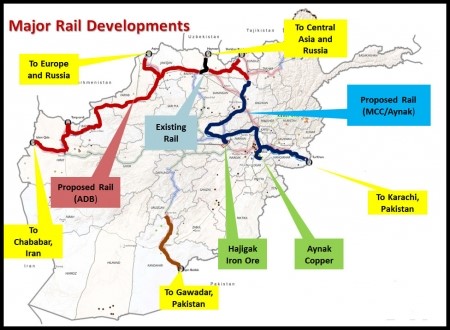

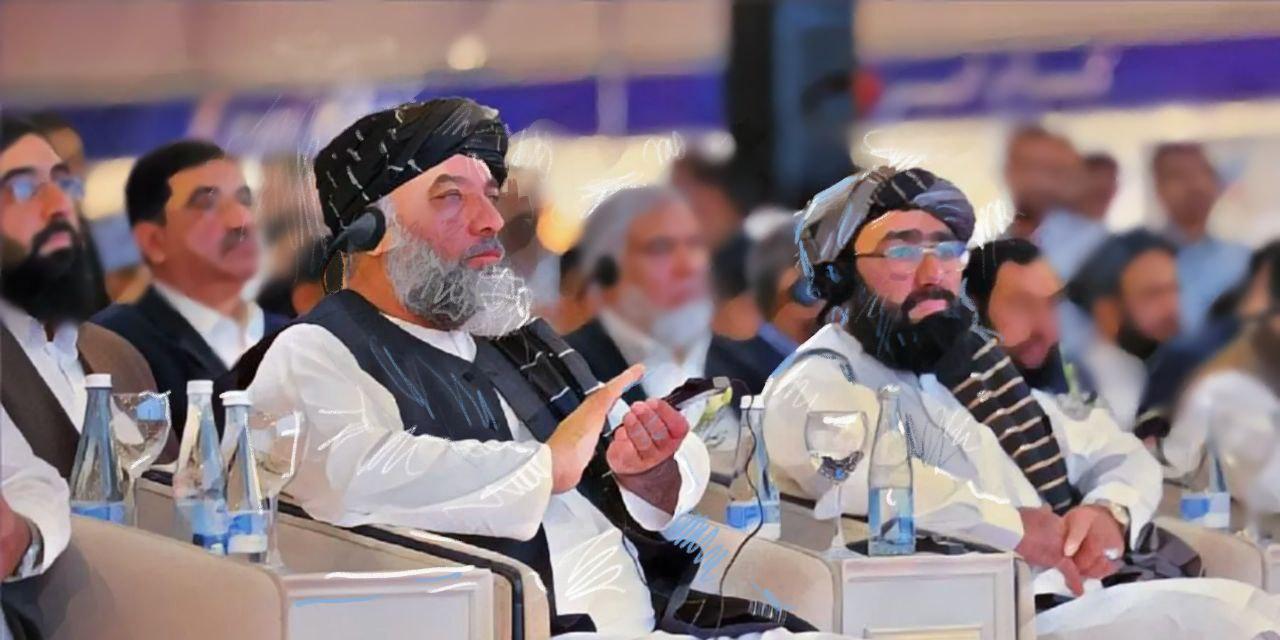
Image: TCA, Aleksandr Potolitsyn
Central Asia is becoming even more important to Afghanistan.
After the Taliban returned to power in August 2021, most of the countries of Central Asia established a dialogue with its leadership that focused on business potential, backed up by security promises.
This understanding is more important than ever to the Taliban government, as events along Afghanistan’s eastern and western borders have left Central Asia as the only reliable import-export route for Afghanistan at the moment.
Booming Trade
At the start of March, Afghanistan’s Ministry of Industry and Commerce released figures for 2025 that showed trade with Central Asia increased from $1.79 billion in 2024 to $2.4 billion in 2025.
While most of the trade is exports from Central Asia to Afghanistan, reports mentioned that Afghan exports to Central Asia — mostly to Kazakhstan and Uzbekistan — increased by 77 percent, from $122 million in 2024 to $216 million in 2025.
A closer look shows that Uzbekistan-Afghanistan trade in 2025 totaled some $1.6 billion.
A full figure for Kazakh-Afghan trade in 2025 is not yet available. However, trade between Kazakhstan and Afghanistan amounted to some $525.2 million in 2024.
Kazakhstan’s Deputy Prime Minister Serik Zhamangarin said at a Kazakh-Afghan business forum in Kazakhstan’s southern city of Shymkent in October 2025 that bilateral trade in the first eight months of 2025 had reached some $335.9 million. These figures are certain to have grown.
Fresh agreements worth more than $360 million were signed on the sidelines of the Kazakh-Afghan business forum.

On March 6, Uzbekistan’s President Shavkat Mirziyoyev signed a decree ratifying the Preferential Trade Agreement between Uzbekistan and Afghanistan. Trade totals for Kyrgyzstan, Turkmenistan, and Tajikistan with Afghanistan are more modest, but, as in the cases of Kazakhstan and Uzbekistan, are set to grow.
Kyrgyz-Afghan trade for the 12 months to March 2025 came to some $66 million, but, during a Kyrgyz-Afghan business conference in Kabul commercial contracts worth some $157 million were signed.
There are no figures for Turkmen-Afghan trade in 2025, but Turkmen electricity exports to Afghanistan are increasing. Turkmenistan is also preparing to export natural gas to Afghanistan. A natural gas pipeline is slowly being constructed from the Turkmen border to the western Afghan city of Herat, which could start operation as soon as 2027.
Tajikistan was the lone Central Asian country to shun contact with the Taliban after they returned to power. Representatives of the previous government of Ashraf Ghani continue to occupy the Afghan embassy in Dushanbe.
Tajik and Taliban authorities finally established contacts only in late 2024 but even to this day the two sides rarely meet face-to-face. However, Tajik-Afghan trade in 2025 still totaled some $120 million.
Afghanistan’s Ministry of Industry and Commerce noted that most of Central Asia’s exports to Afghanistan are electricity, fuel products, and natural gas.
Uzbekistan, Tajikistan, and Turkmenistan export electricity to Afghanistan via transmission lines that were built during the 20 years the Taliban were out of power. Some 80 percent of Afghanistan’s electricity is imported, and most of that (75-80 percent) comes from the three Central Asian countries. Iran supplies the remainder.
There are projects under construction that would further boost Central Asian electricity exports to Afghanistan, most notably the Central Asia-South Asia (CASA-1000) project that will bring an additional 300 megawatts (MW) of electricity annually from Kyrgyzstan and Tajikistan to Afghanistan (and 1000 MW to Pakistan).
The Kyrgyz and Tajikistan powerlines are already built, and the Afghan section of the project is tentatively due to be completed in 2027.
Also worth mentioning is that Kazakhstan is the major supplier of grain and flour to Afghanistan.
Good Timing
Central Asia has become Afghanistan’s most reliable trade partner. Pakistan was the main gateway for Afghan trade, but fighting between Afghanistan and Pakistan since late 2024 has lowered trade from $2.46 billion in 2024 to $1.77 billion in 2025 and it continues to drop.
Trade with Iran was increasing after the 225-kilometer Khaf-Herat railway started operating in 2023. The line was due to become completely operational in 2026. The railway already carried nearly 750,000 tons of goods in the 12 months to March 2026, but the military campaign the United States and Israel are waging against Iran is likely to reduce trade volumes along the new railway in at least the short term.
With the exception of Turkmenistan, the Central Asian governments were hostile to the Taliban when they were in power in Afghanistan in the late 1990s. The Taliban leadership reciprocated the animosity. There were security problems along the Central Asia-Afghan border during most of these years.
After August 2021, the Central Asian governments pursued a business relationship with the Taliban government, hoping it would help the Taliban keep their promise not to allow any militant groups inside Afghanistan to attack neighboring countries.
Nevertheless, there have been times when the Taliban has seemed unable to guarantee security along the Central Asian border. The terrorist group Islamic State of Khorasan Province fired rockets at the Uzbek border city of Termez in April and July 2022, and also into Tajikistan in May 2022.
The Taliban quickly arrested suspects in those attacks, but more recently there have been attacks along the Tajik-Afghan border. In November 2024, and in November and December 2025, there were three attacks on Chinese projects in Tajikistan that killed several workers, mainly Chinese nationals.
There were also two clashes between Tajik border guards and Taliban fighters, one in August 2025, the other in October that year. So far this year there have not been any incidents targeting Central Asia from the Afghan side of the border.
With Central Asia now being the Taliban’s biggest trade partner, as well as being the surest route for imports and exports for Afghanistan, the Central Asian strategy of developing a business relationship with the Taliban has now made Central Asia indispensable for Afghanistan. It also makes ensuring security for Central Asia a priority for the Taliban.


- Previous Iran war 3rd week on: warring sides trade threats as soaring flames rattles global markets
- Next Australia edge North Korea to reach Women’s Asian Cup semis
You may also like...



Random news


About us
Our Newly established Center for study of Asian Affairs has
branches in Indonesia, Malaysia and Singapore, as well as freelances in some other countries.
For inquires, please contact: newsofasia.info@yahoo.com Mr.Mohd Zarif - Secretary of the Center and administer of the web-site www.newsofasia.net
Polls
 Loading ...