

Turkey: With Iran war, more Americans ask if Israeli tail wagging US dog
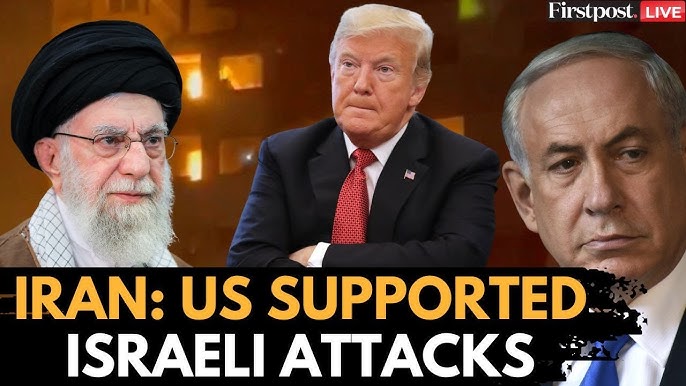

As the United States works hand in glove with Israel in a fast‑escalating war with Iran, more and more Americans are raising the question of whether this is really America’s war or Israel’s.
The joint U.S.-Israel military campaign that killed Iran’s Supreme Leader Ayatollah Ali Khamenei has already claimed hundreds of lives, including at least six U.S. service members and shows signs of becoming a protracted conflict.
House Speaker Mike Johnson said Monday, after a classified briefing, that the White House believed Israel was determined to act on its own, leaving President Donald Trump with “a very difficult decision” over whether to join the assault.
That rationale, that Washington moved because Tel Aviv would not wait, cuts directly against Trump’s election promise of “America First” policies and election campaign against Washington’s “forever wars.”

Critics said that it has only reinforced a narrative that the United States is being pulled into battle by an ally with its own priorities.
“Are we now such an enfeebled nation that Israel decides when we go to war?” asked Sen. Jeff Merkley after Sen. Jeff Merkley, after the Trump administration and its allies in Congress presented the shifting new justification Monday.
Uneasy public
Inside Congress, frustration has mounted over what lawmakers describe as a changing and Israel-centered justification for the strikes.
Sen. Mark Warner, the top Democrat on the Intelligence Committee, said there was “no imminent threat to the United States of America by the Iranians” and that the danger cited by the administration was aimed “at Israel,” not at American soil.
Warner said he has now heard “four or five” different explanations for the attack and demanded that Trump “come before Congress, and for that matter, the American people,” to lay out both the case for war and an exit plan.
Trump and his Republican allies insist that the operation will not become another open-ended deployment. White House adviser Pete Hegseth vowed that this is not an “endless war,” even as he warned that more American casualties are likely in the weeks ahead.
The combination of vague war aims, a powerful ally’s stake and the prospect of more U.S. deaths is landing in a country that has grown skeptical of large overseas commitments.
A recent Reuters/Ipsos poll found that only one in four Americans approve of U.S. strikes on Iran, while about half – including one in four Republicans – believe President Donald Trump is too willing to use military force.
Some 27% of respondents said they approved of the strikes, which were conducted alongside Israeli attacks on Iran, while 43% disapproved and 29% were not sure.
The poll, which closed Sunday, showed that 56% of Americans think Trump, who has also ordered strikes in Venezuela, Syria and Nigeria in recent months, is too willing to use military force to advance U.S. interests. The vast majority of Democrats – 87% – held this view, as did 23% of Republicans and 60% of people who don’t identify with either political party.
Americans in both parties, however, want leaders to focus more on domestic concerns than on acting as the world’s policeman. Majorities have told Ipsos survey-takers that they prefer diplomacy over military action with Iran and that they fear another long, costly conflict in the Middle East.
That wariness is now shaping public reaction to the Iran campaign and fueling the sense that “America First” has given way to “Israel first” in practice.
‘Tail wagging dog’
These fears are not limited to the president’s critics at home. In Israel, some analysts openly worry that the perception of an ally overreaching could boomerang.
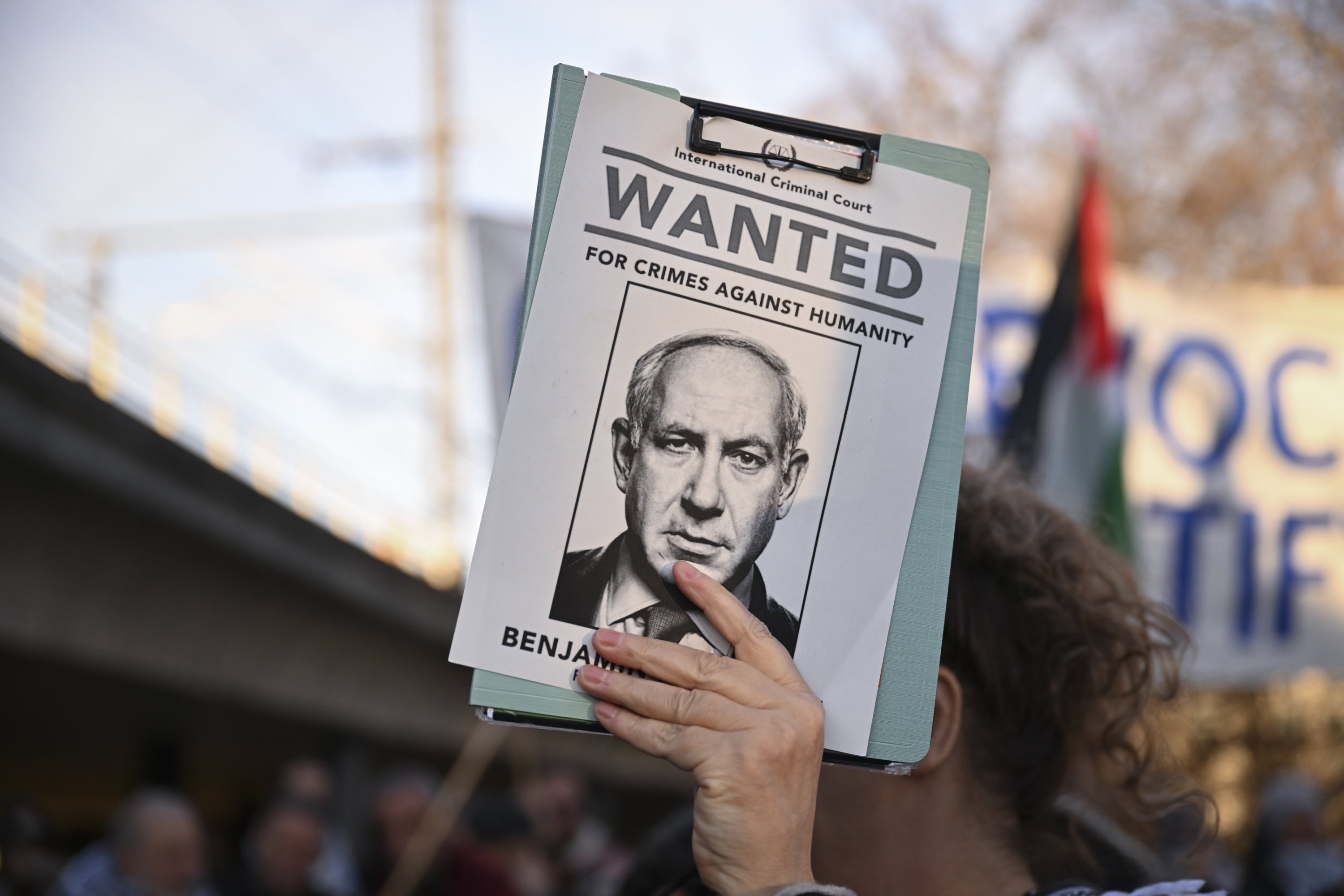
“A large part of the American public will view it as the Israeli tail wagging the American dog and that it is dragging the United States to a war in the Middle East that isn’t theirs,” said Ofer Shelah, a research fellow at the Institute for National Security Studies in Tel Aviv.
Any resulting drop in U.S. public support, he warned, “will be very harmful for Israel in the medium and long term.”
Shelah added that Prime Minister Benjamin Netanyahu, who has long cultivated his image as Israel’s indispensable bridge to Washington, is not necessarily focused on those longer-term risks.
For Netanyahu, persuading Trump to strike Iran in tandem is described as the culmination of decades of close alignment with Republican administrations in Washington.
That alignment is at the core of what alarms many Americans: the sense that a foreign leader’s strategic and political calculations are helping drive U.S. decisions about war and peace.
‘America First’ meets Mideast reality
Trump’s so-called “America First” policy has always contained a tension between two promises: to avoid “stupid wars” in the Middle East and to stand shoulder to shoulder with Israel. The Iran operation is forcing that contradiction into the open.
A majority of Democrats argue that, by moving largely in response to Israeli security concerns, Trump has subordinated U.S. interests to those of a close ally.
Republicans, however, counter that defending Israel is itself an American interest, and Johnson has portrayed Trump as acting to manage — not follow — Israel’s determination to strike.
Meanwhile, Ipsos polling suggests the public’s patience for another major Middle East engagement is thin. In recent surveys, Americans have expressed far more concern about the human and financial costs of war with Iran than enthusiasm for regime change in Tehran.
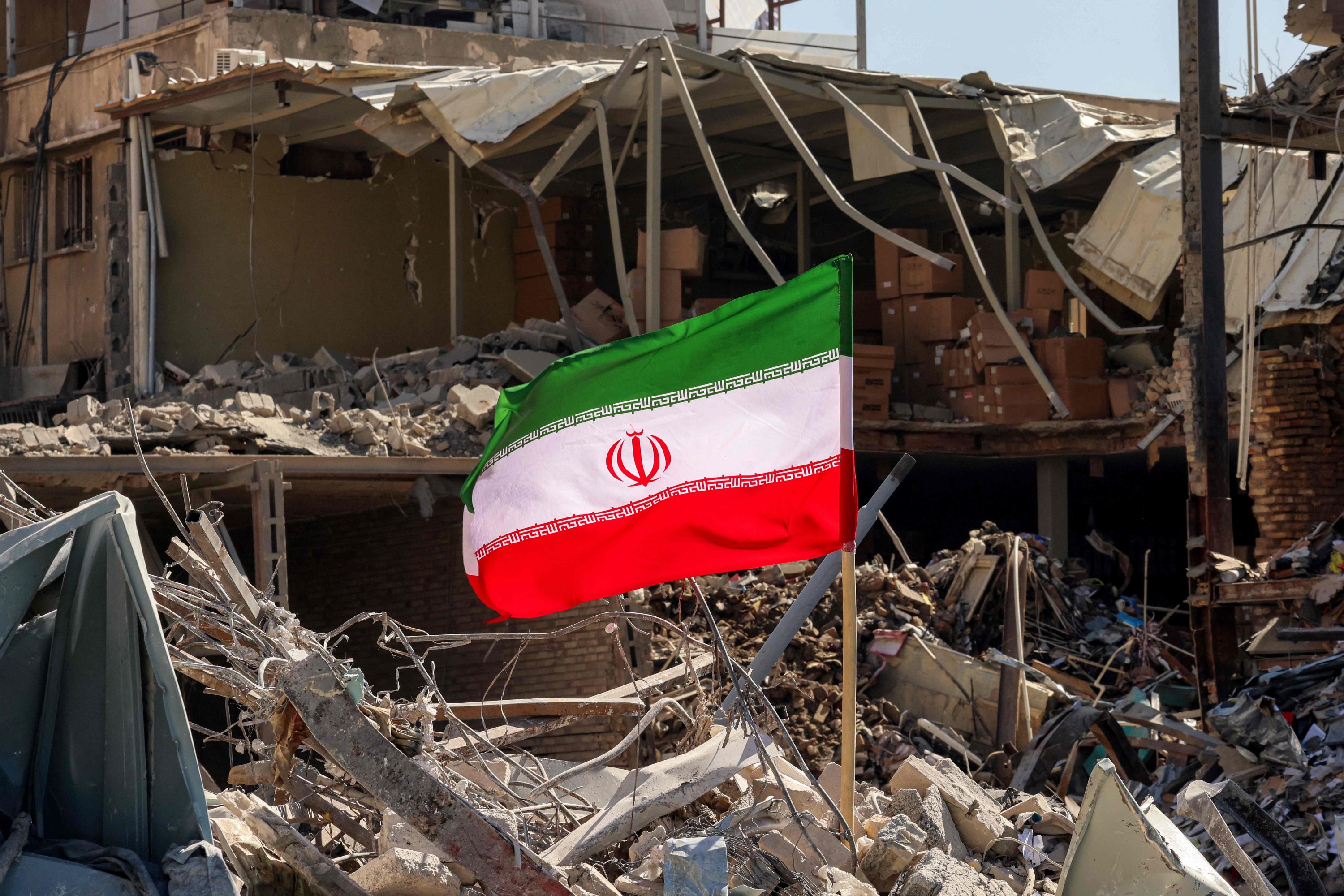
Many respondents say they worry such a conflict would drain resources from priorities at home, from inflation and jobs to health care and border security – the very issues that anchored Trump’s original “America First” pitch.
Test for Congress
The clash is also testing the balance of war powers in Washington. The Constitution gives Congress alone the authority to declare war, but lawmakers have often ceded that authority to presidents in modern conflicts.
The moment is a defining one for Congress, which alone has the authority under the U.S. Constitution to declare war, and for President Trump, who has consistently seized power during his second term with his own executive reach, according to the Associated Press.
Unlike the run-up to the Iraq War in 2003, which included long debates in Congress in the aftermath of the Sept. 11, 2001, attacks, or the more recent U.S. military strikes on Venezuela that proved to be limited, the joint U.S.-Israel military attack on Iran, called Operation Epic Fury, is well underway, with no foreseeable end in sight.
“It’s worrisome,” Rep. Adam Smith, the top Democrat on the House Armed Services Committee, told The Associated Press.
Smith said of Trump: “He is not trying to make his case to Congress or the American people. He unilaterally decided to do this.”
Johnson said tying Trump’s hands right now would be “frightening” as he works to defeat the war powers resolution.

- Previous Sided with Israel, India says it has enough oil stocks for 50 days in Iran war
- Next Collateral Damage: Australian military base in UAE hit by Iranian drone strike
You may also like...




Random news












About us
Our Newly established Center for study of Asian Affairs has
branches in Indonesia, Malaysia and Singapore, as well as freelances in some other countries.
For inquires, please contact: newsofasia.info@yahoo.com Mr.Mohd Zarif - Secretary of the Center and administer of the web-site www.newsofasia.net
Polls
 Loading ...