

Turks see threat in Greek arms in Aegean islands next to it’s shores off just 3 miles
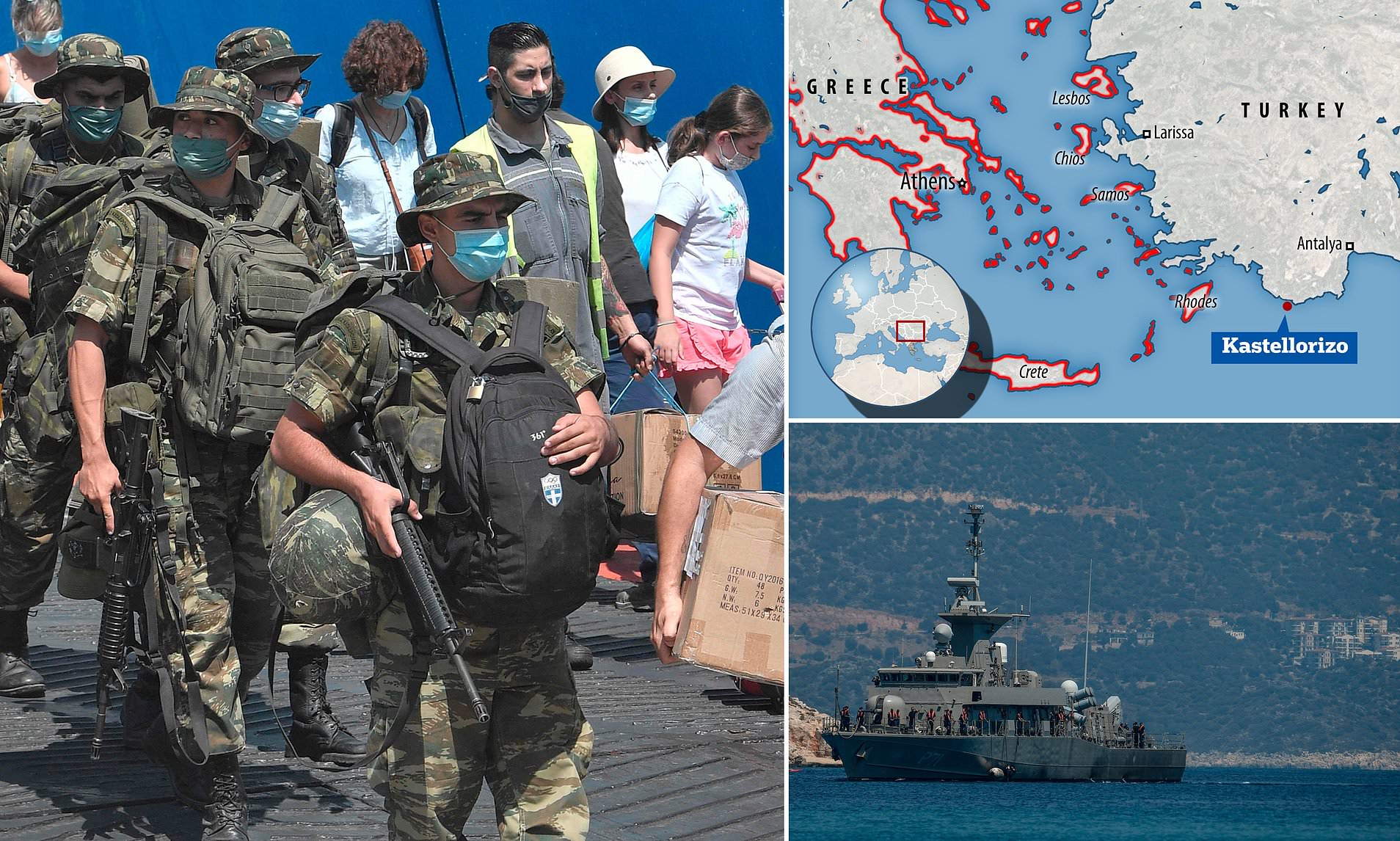

Greek Defense Minister Nikos Dendias branded Türkiye a major threat to his country and underlined that the islands on the Aegean Sea dividing the two countries will be armed against Ankara
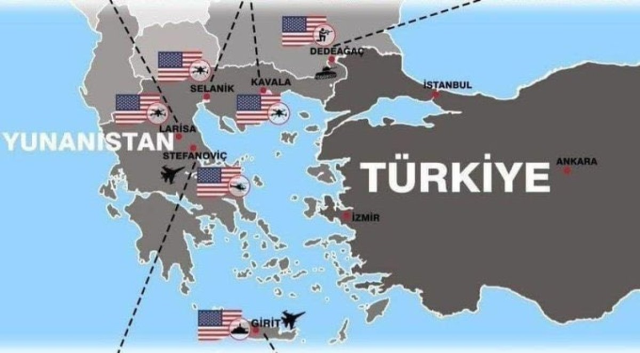
Greek officials’ statements continue to disrupt the climate of calm that has prevailed in the Aegean Sea in recent years. Most recently, Greek Defense Minister Nikos Dendias announced at an event in Athens that Greece would radically overhaul its defense doctrine, issuing remarks targeting Türkiye. Accusing Türkiye of being “the greatest threat” to his country, Dendias said Greece would deploy missiles across hundreds of islands.
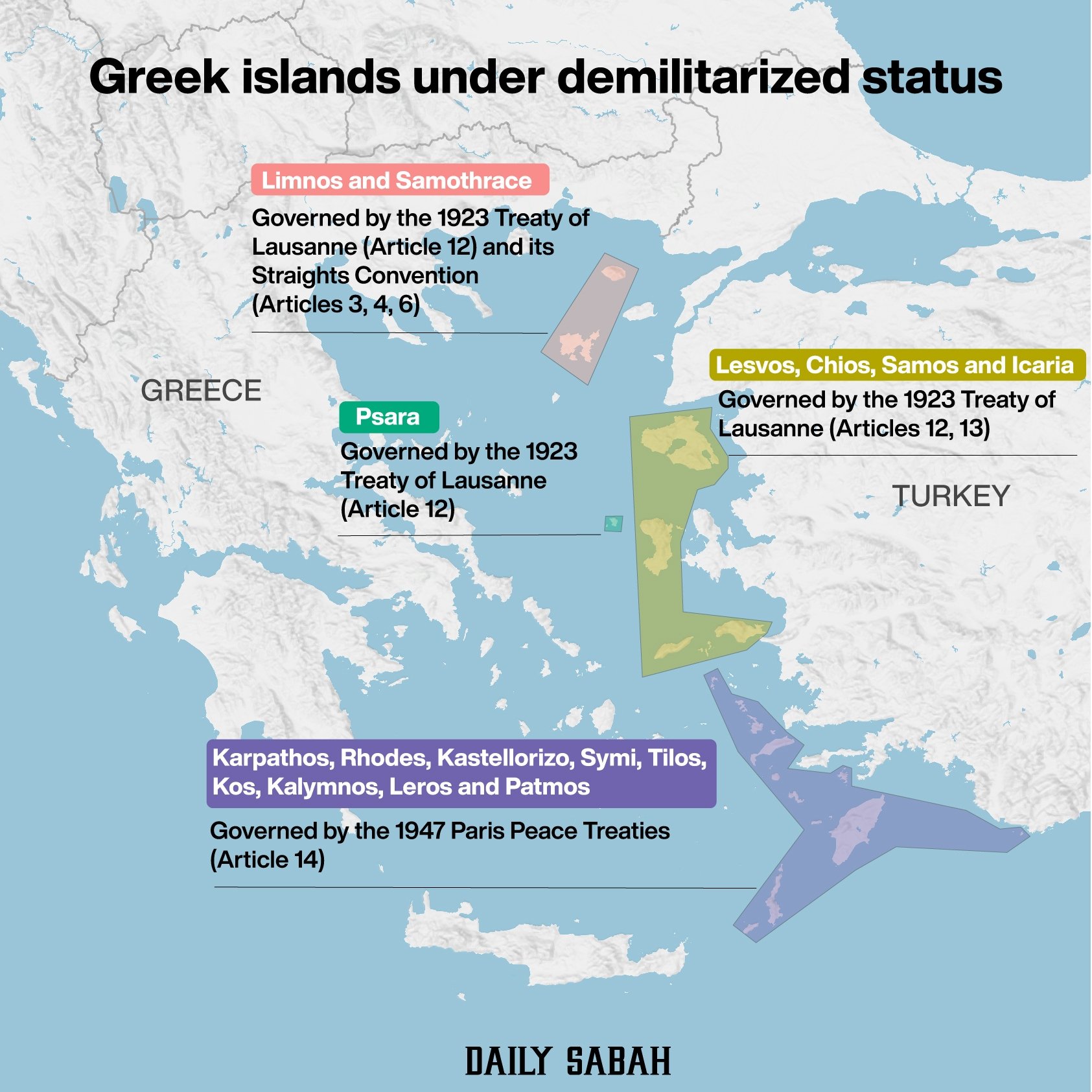
Speaking at an event titled “Greece in a Global Perspective,” in Athens, Dendias repeated his claim that Türkiye poses a threat to Greece. “Greece has lived in contradiction since it joined NATO in 1952. The greatest threat to NATO member Greece comes from another NATO member, Türkiye. Greece is defending itself, while Türkiye is threatening,” he claimed. He then announced plans to abandon the doctrine that “the army protects the land, the navy protects the sea, and fighter jets protect the air,” outlining the new approach. “As before, relying on the navy to defend the Aegean makes no sense. New frigates and new warships are extremely expensive tools for limited operations in the narrow Aegean and are vulnerable to modern threats. A frigate worth 1 billion euros can be destroyed by a drone worth a few thousand euros. That is why we have completely changed our doctrine. The Aegean will not be protected solely by the navy. It will be protected primarily by mobile missile systems deployed across hundreds – if not thousands – of islands. We will seal off the Aegean Sea from land (referring to the islands). This will also free naval operations from being restricted to this narrow sea,” he said.

After a long period of tensions marked by disputes over irregular migration, the Cyprus dispute, energy exploration and territorial sovereignty in the Aegean, Ankara and Athens have been taking confidence-building steps for a fragile normalization of their relations since late 2023.
The normalization sustained momentum in the past two years, with talks between leaders as well as sporadic high-level meetings of top officials to discuss sources of dispute.
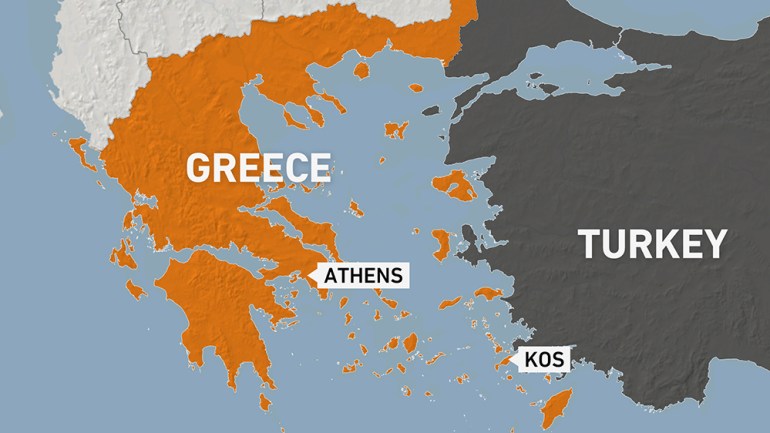
Yet, both countries stand firm in their maritime rights, which are still not fully agreed upon after decades of hostilities dating back to the post-World War I period.
“Until now, air defense has relied mainly on the air force. This is not the right answer, and it is a very expensive one. Air defense will now rely primarily on anti-aircraft weapons systems. We are implementing a project we call ‘Achilles’ Shield.’ With this, the Aegean’s airspace – not just its waters – will be sealed,” Dendias said.
Under the “Achilles’ Shield” project, Greece aims to deploy five different types of missile systems on Aegean islands and near the Turkish-Greek land border. Greece plans to purchase a significant share of these systems from Israel.
Türkiye also started creating its own “Steel Dome” Project for defense. Announced in August last year, Steel Dome aims to provide integrated protection against low, medium and high-altitude threats through land-based and sea-based air defense platforms and sensors developed at home.

The architecture crowns years of investments that have helped Türkiye transform from a nation heavily reliant on equipment from abroad to one where homegrown systems meet almost all of its defense industry needs. It foresees integration of locally developed missile batteries, radars, electro-optical sensors, communications modules and command-and-control centers.
As part of the system, this August saw deliveries of multiple components worth $460 million, including the Hisar O 100 and Siper air defense systems, Alp 300-G and 100-G radar systems, Puhu and Redet electronic warfare systems and Korkut short-range air defense vehicles.
The Steel Dome has been one of the main topics in Türkiye amid geopolitical tensions, led by Israel’s genocidal military campaign in Gaza and its attacks on Iran, Lebanon and Syria, as well as the war in Ukraine.

Türkiye has long said it would step up measures to protect its airspace and land borders, and has been working to build up its defenses, including long-range missiles.
In June, President Recep Tayyip Erdoğan said Türkiye would raise its own defenses to such a level that “nobody will even consider” attacking it.
The Steel Dome includes many prominent players like Aselsan, known for its defense electronics expertise, Roketsan, a producer of unguided rockets and guided missiles, TÜBITAK Defense Industries Research and Development Institute (SAGE) and Machine and Chemical Industry (MKE), which produces small arms, artillery and ammunition.
Türkiye’s transformation over the last 20 years has prompted the development of a range of homegrown air, land and marine platforms, eventually helping lower its foreign dependency on defense from around 80% in the early 2000s to below 20% today.
Unprecedented demand for its defense platforms, led by its combat drones, helped defense exports peak at $7.15 billion in 2024, up from around $5.5 billion in 2023 and $4.4 billion in 2022. Officials say the figure would easily top $8 billion this year.
Dendias pointed to Türkiye’s rapid advances in unmanned aerial vehicles and said Greece must respond. “Until now, a soldier’s weapon in the land forces was a rifle. A soldier’s weapon is now the drone. The Greek army must enter the drone era quickly. Every soldier must receive drone training. The country posing the most visible threat to us (referring to Türkiye) produces drones. According to the information we have, this country has more than 1 million drones ready for use. We successfully tested our anti-drone system, which we call ‘Centaur,’ in a real combat environment in the Red Sea, and we plan to install it on all frigates. With some modifications, we will also be able to use this system on land against drones. In addition, we aim to form a new force of 150,000 volunteer reservists, bringing the total number of reservists to 250,000.”
The Greek minister added that four secondhand Bergamini-class frigates to be purchased from Italy will carry missiles capable of striking targets up to 1,500 kilometers (932.06 miles) away when launched from any point in the Eastern Mediterranean.

- Previous North Korea stresses Air Force’s nuclear war deterrence
- Next Caracas in my mind: Trump to meet US security team on Venezuela as tensions flare
You may also like...



Random news



About us
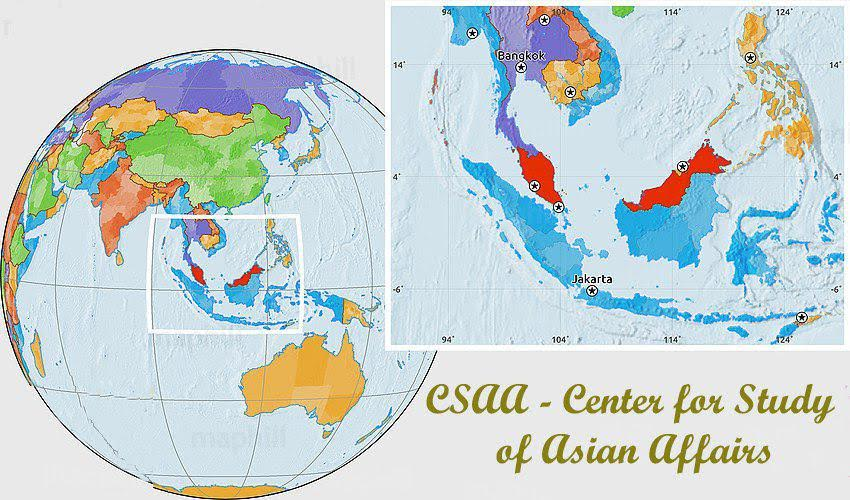
Our Newly established Center for study of Asian Affairs has
branches in Indonesia, Malaysia and Singapore, as well as freelances in some other countries.
For inquires, please contact: newsofasia.info@yahoo.com Mr.Mohd Zarif - Secretary of the Center and administer of the web-site www.newsofasia.net
Polls
 Loading ...