

US Envoy Barrack meets SDF leader after giving Damascus ‘green light’ to attack Kurdish regions
US Special Envoy for Syria Tom Barrack announced on 22 January that he met with Syrian Kurdish leaders in Iraq to discuss the integration of the Kurdish autonomous region in northeast Syria into the Damascus government.
Barrack met with Mazloum Abdi, the commander of the Kurdish-led Syrian Democratic Forces (SDF), and Ilham Ahmad, co-chair of the Autonomous Administration of North East Syria (AANES) foreign relations office.
“We were honored to meet today with General Mazloum Abdi and Ilham Ahmed,” Barrack said in a post on X. “The United States reaffirmed its strong support for and commitment to advancing the integration process outlined in the 18 January agreement between the Syrian Democratic Forces and the Syrian government.”
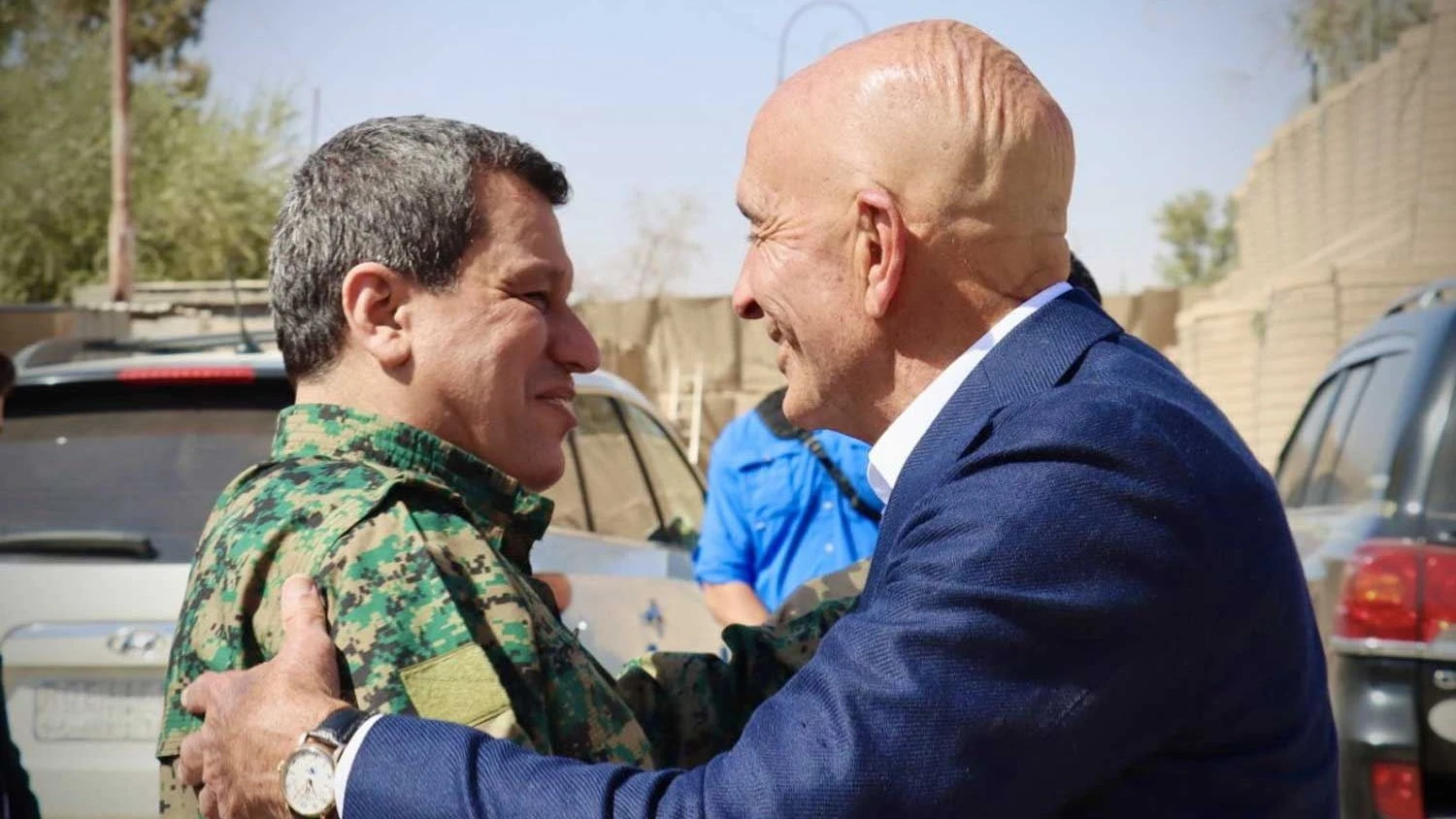
The meeting, held in the city of Erbil in the Kurdistan region of Iraq, was the second of its kind in less than a week.
Barrack claimed he was trying to bring an end to the ongoing fighting between the SDF and the extremist-dominated Syrian army and secure a lasting ceasefire.
He stated that “the essential first step is the full upholding of the current ceasefire, as we collectively identify and implement confidence-building measures on all sides to foster trust and lasting stability.”
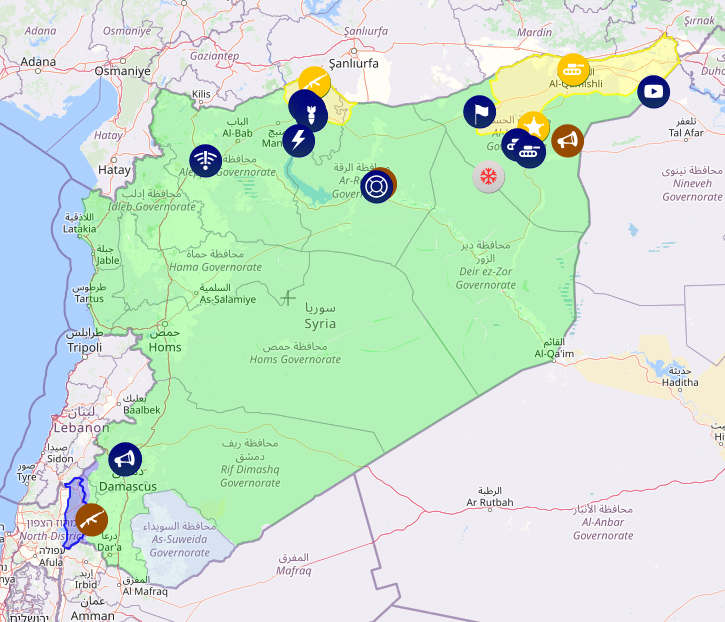
After meetings in Paris earlier this month, the US and Israel gave self-appointed Syrian President Ahmad al-Sharaa – a former Al-Qaeda commander – the green light to attack SDF-held areas.
Sharaa’s forces quickly captured the two Kurdish-majority neighborhoods in Aleppo city, the eastern Aleppo countryside, parts of Deir Ezzor, Raqqa, and the Kurdish-majority Hasakah Governorate.
On Tuesday, Sharaa reached a “mutual understanding” with Abdi, agreeing to “grant the SDF a period of four days for consultations to develop a detailed plan for the practical mechanism of integrating the areas [under their control].”
The statement added that “if an agreement is reached, Syrian forces will not enter the centers of [the Kurdish-controlled cities of] Hasakah and Qamishli and will remain on their outskirts.”
Despite the agreement, clashes between the Syrian army and the SDF continued in some locations.
Syrian forces attacked the town of Sarrin in the southern countryside of Kobani (Ain al-Arab) using heavy weapons and tanks on Thursday.
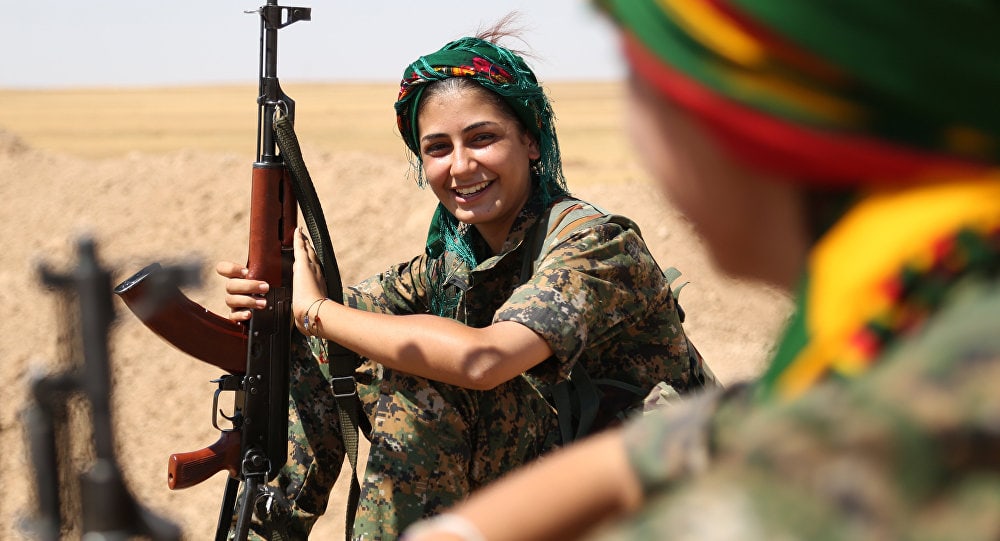
The US and Israeli green light for Sharaa to attack the SDF came as a surprise, as the US and Israel have partnered with the Kurdish-dominated SDF since 2015, helping it capture large swathes of territory in northeast Syria from ISIS.

Map of January 2025
The US and Israel wished to use the Kurds to keep Syria divided and pressure then-president Bashar al-Assad to leave office.
But the US and Israel were also backing Sharaa and his armed group, Hayat Tahrir al-Sham (HTS), which established an autonomous region of its own in northwest Syria’s Idlib Governorate.
When Sharaa and HTS, the former Al-Qaeda affiliate, ousted Assad in December 2024, the US and Israeli partnership with the Kurdish-led SDF lost much of its strategic value.
Barrack and Abdi also met in Erbil last Saturday. A day later, the Syrian government announced that it had reached an agreement with the SDF to halt clashes and integrate SDF-held areas into state institutions.
The deal includes significant concessions by the Kurdish-led group, including handing over control of border crossings, Syria’s major oil fields, and the integration of SDF fighters into the Syrian army as individuals rather than as units under Kurdish command.
Sharaa’s forces, which contain former ISIS elements, also took control of several SDF prisons, releasing imprisoned ISIS fighters and their families.
The release of ISIS prisoners and Sharaa’s control of new areas along the Iraqi border have raised fears of a Syrian government attack on Iraq.
The Iraqi military has deployed large numbers of its forces, including members of the Shia Popular Mobilization Units (PMU), to the Syrian border in the Sinjar region to prevent an invasion.
In 2014, ISIS leader Abu Bakr al-Baghdadi ordered his forces to invade Iraq from Syria, quickly capturing major cities including Ramadi, Falluja, and Mosul.
The ISIS invasion of western Iraq was covertly supported by the US military, which provided the organization with weapons, and Iraqi Kurdish leader Masoud Barzani, whose Peshmerga forces withdrew to allow ISIS to invade Sinjar and carry out the genocide against Yezidis.
Syrian President Sharaa is a former deputy of ISIS leader Baghdadi.

- Previous No more chance of Fukushima Daiichi to happen again: Japan shuts reactor a day after restart
- Next Who to blame for “capsizing” cargo vessel Philippine vessel in South China Sea!?
You may also like...

Random news


About us
Our Newly established Center for study of Asian Affairs has
branches in Indonesia, Malaysia and Singapore, as well as freelances in some other countries.
For inquires, please contact: newsofasia.info@yahoo.com Mr.Mohd Zarif - Secretary of the Center and administer of the web-site www.newsofasia.net
Polls
 Loading ...