

US NMESIS on Yonaguni, about 110km, to Taiwan, to deter Chinese naval rise
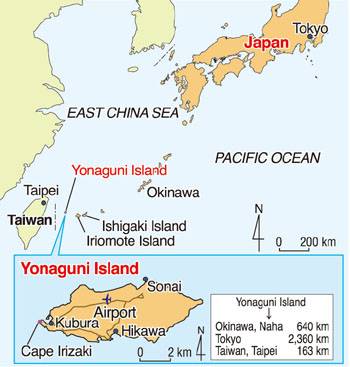
Unprecedented deployment to Yonaguni, 110km from Taiwan, during joint drills this month comes amid high tensions between Beijing and Tokyo
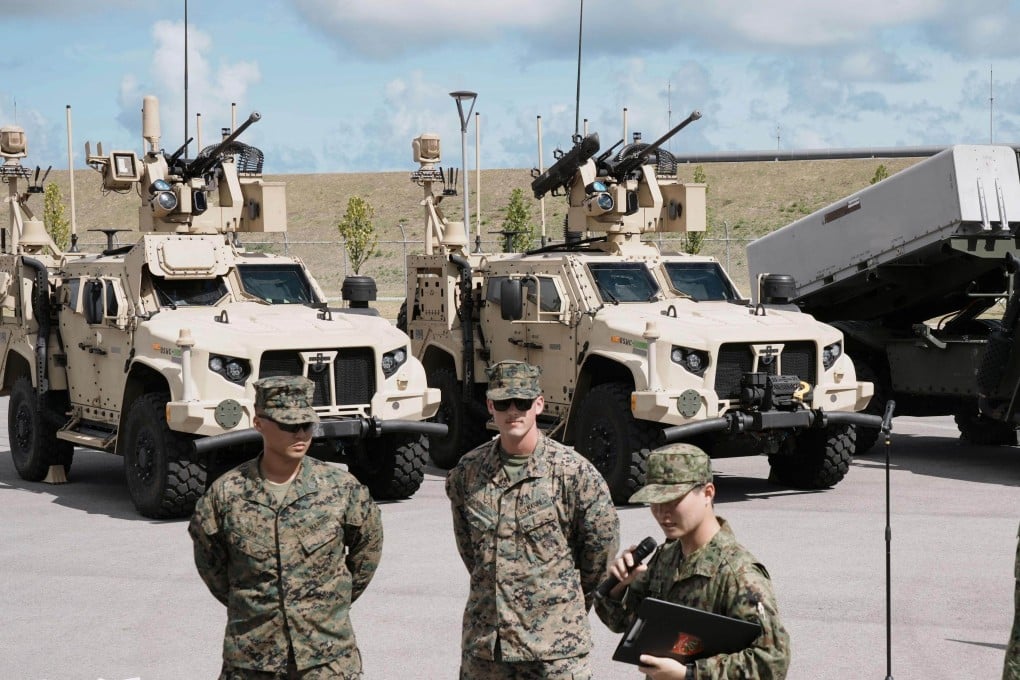
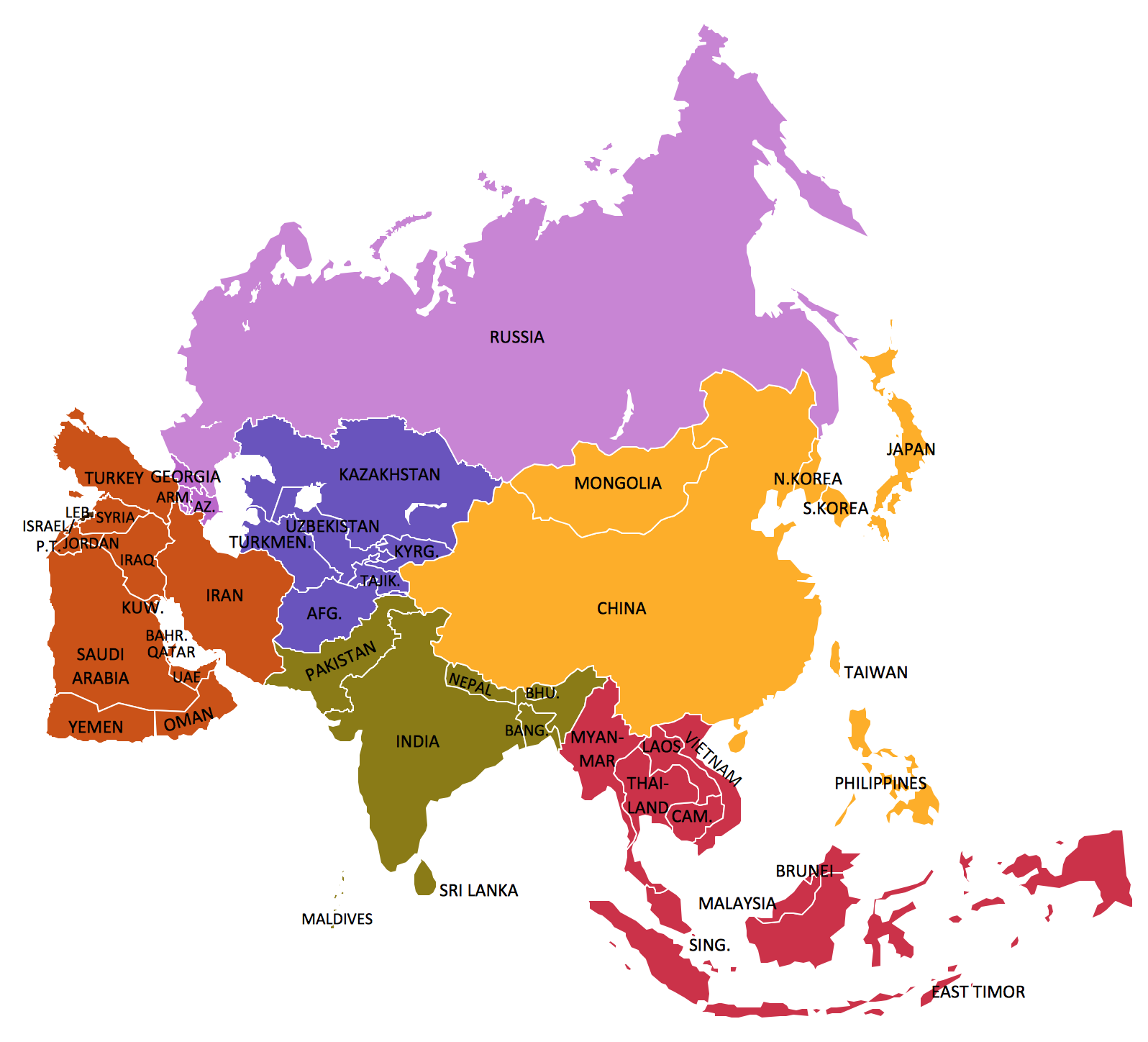
The ground-based US uncrewed missile platform known as the Navy-Marine Expeditionary Ship Interdiction System (NMESIS) will be deployed on Yonaguni Island in Japan’s Okinawa prefecture during biennial joint exercises this month, according to the regional bureau of the Japanese defence ministry.
The deployment during the Keen Sword joint exercise moves the system closer to Taiwan than during the Resolute Dragon joint drills in September last year. Then, NMESIS was stationed on Okinawa’s Ishigaki Island – roughly 127km east of Yonaguni and about 240km from Taiwan.
NMESIS will also return to Ishigaki as part of the Keen Sword exercise, which runs from October 19 to 29.
According to the Okinawa Defence Bureau press release, the NMESIS deployment will support training at the Yonaguni garrison. The Japan Self-Defence Forces and US military will set up a joint coordination centre on-site, conduct island-defence tabletop drills, and train to coordinate with Japanese and US equipment deployed at other garrisons.
“Various types of Japanese and US equipment are scheduled to be deployed to coordinate with the joint coordination centre,” the bureau said, adding that specific training details remained subject to change.
The highly mobile and rapidly deployable island defence solution is used by the US Marine Corps in sea denial and littoral protection to target and sink enemy warships from coastal or island positions, with a range of more than 185km.
If deployed to Yonaguni during a conflict, the jamming-resistant system could threaten enemy vessels trying to operate east of Taiwan – an area where Beijing has stepped up coastguard patrols, naval operations and scientific research activities to assert its sovereignty.
Beijing said its moves were a countermeasure to maritime boundary talks announced in May between Japan and the Philippines – discussions it has dismissed as “illegal and invalid”.
Beijing sees Taiwan as part of China to be reunited by force if necessary. Most countries, including the US and its ally Japan, do not recognise Taiwan as an independent state, but Washington is opposed to any attempt to take the self-governed island by force and is committed to supplying it with weapons.
Ties between Beijing and Tokyo remain at their lowest point in decades following Japanese Prime Minister Sanae Takaichi’s controversial remarks about Taiwan in November.
She said a military attack on or naval blockade of Taiwan by Beijing could constitute a “survival-threatening situation” for Japan, justifying a military response.
Meanwhile, Tokyo is also moving to station air-defence missile units on Yonaguni.
Beijing’s foreign ministry has accused Japan of using “so-called defence and counterstrike” capabilities as a cover to boost its “deployment of a series of offensive weapons and equipment including missiles in regions close to China”.
“This is essentially an attempt to build a forward fortress of military confrontation which threatens regional peace and stability,” ministry spokesman Guo Jiakun said in April.
US forces also deployed NMESIS during their joint annual Balikatan exercise with the Philippines earlier this year. The system was stationed in the Batanes Islands, the Philippines’ northernmost province sitting roughly 142 to 190km south of Taiwan.
In an update on implementation of the 2026 National Defence Strategy submitted to Congress on September 22, the Pentagon wrote that even as President Donald Trump’s administration worked to avoid confrontation with China, “we continue our efforts to strengthen deterrence by denial along the First Island Chain, with the goal … of ensuring that ‘aggression is infeasible, escalation unattractive, and war deemed irrational’.”
This month’s Keen Sword exercise will also see US forces make their first deployment of the Marine Air Defence Integrated System, or MADIS, to Yonaguni. The mobile, short-range air-defence weapon is built for the US Marine Corps to track and destroy drones, helicopters and low-flying aircraft.
“The NMESIS and MADIS represent a significant step forward in the Marine Corps’ modernisation efforts,” US Marines based in Okinawa said when receiving both systems in June.


- Previous US deploys anti-ship weapons 70 miles next Taiwan
- Next Houties hit King Khalid Airport in Riyadh and an Aramco refinery in Rabigh
You may also like...




Random news











About us
Our Newly established Center for study of Asian Affairs has
branches in Indonesia, Malaysia and Singapore, as well as freelances in some other countries.
For inquires, please contact: newsofasia.info@yahoo.com Mr.Mohd Zarif - Secretary of the Center and administer of the web-site www.newsofasia.net
Polls
 Loading ...