

War against Iran causes massive increases in shipping costs
Global logistics giants Hapag-Lloyd and DHL suspend operations in key Middle East maritime transit, facing millions of dollars in cost increases
ISTANBUL
Global logistics companies reported significant operational disruptions and soaring costs as the Middle East tensions forced them to abandon critical transit routes.
Although energy prices have fallen following the temporary ceasefire between Iran and the US, uncertainty persists regarding the Strait of Hormuz, and there are no signs yet that shipping traffic in the region is normalizing.
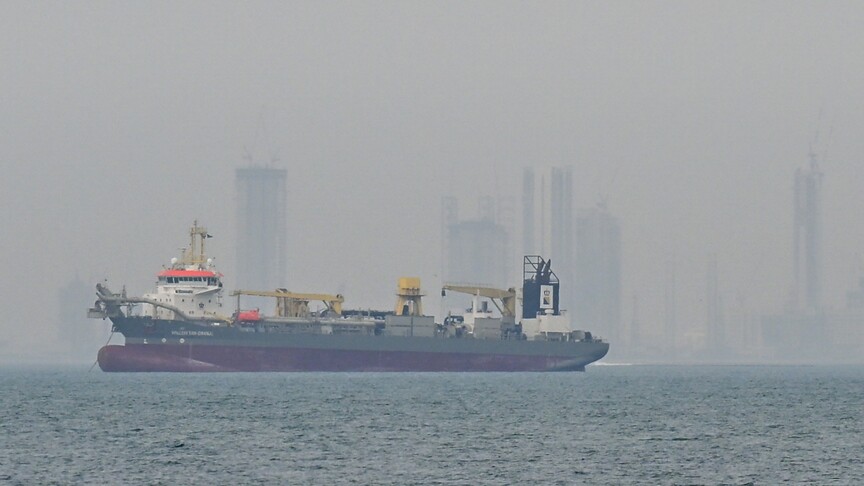
Germany based international shipment firm Hapag-Lloyd announced it suspended all transits through the Strait of Hormuz and the Suez Canal previously, alongside bookings to and from the Upper Gulf region.
The company noted that six of its vessels remained stranded in the Persian Gulf, reducing available capacity by around 25,000 TEUs – a 20-foot-long (6.1 meters) standard container equals 1 TEU.
“More broadly, the conflict has increased complexity and costs across the shipping industry, including higher bunker prices, insurance premiums, storage costs, and inland transportation expenses,” the firm told Anadolu.

The conflict drove up the company’s expenses by around $40 million to $50 million per week due to higher bunker fuel prices, rising insurance costs, and schedule disruptions.
The shipping firm introduced several extra fees, including a War Risk Surcharge for Gulf shipments and an Emergency Fuel Surcharge to offset globally surging fuel prices.
Rerouting vessels around the Cape of Good Hope previously increased the firm’s expenses for CO2 emission certificates by €52.6 million ($61.5 million) to €136.9 million, the firm said.
The company also recorded a 6.6% rise in bunker consumption to five million tons during the same period.
Alternative ways
Meanwhile, DHL stated that the suspension of maritime traffic through the Strait of Hormuz and airspace limitations increased complexity across global supply chains.
The logistics provider rerouted some shipments away from affected areas and activated alternative gateways in the Gulf Cooperation Council region, such as Riyadh and Muscat, according to the firm’s statement to Anadolu.
DHL also implemented additional trucking solutions and added network flights to Bangalore and Delhi to support trade lanes between Asia and Europe.
The company said: “Capacity availability continues to be a key factor influencing market conditions, alongside higher operating costs such as fuel, which are reflected through established industry surcharge mechanisms.
“Given that the situation remains highly volatile, we continue to closely monitor developments.”

You may also like...






Random news










About us
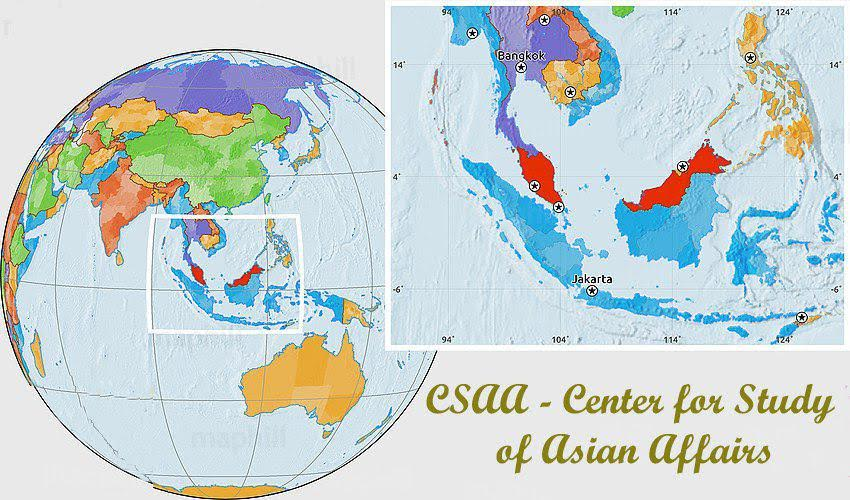
Our Newly established Center for study of Asian Affairs has
branches in Indonesia, Malaysia and Singapore, as well as freelances in some other countries.
For inquires, please contact: newsofasia.info@yahoo.com Mr.Mohd Zarif - Secretary of the Center and administer of the web-site www.newsofasia.net
Polls
 Loading ...