

World Bank raises Malaysia’s 2026 growth forecast to 4.4pct
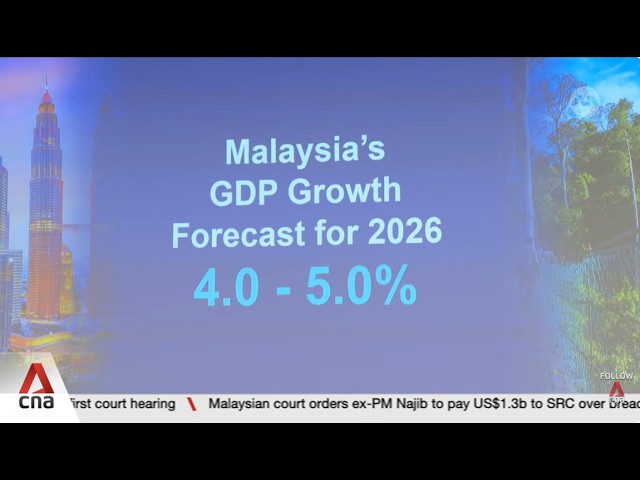


Its lead economist for Malaysia, Apurva Sanghi, said growth is expected to be driven primarily by private consumption, supported by a strong labour market, rising wages and continued government income support.

“We expect domestic demand to be strong this year because of favourable labour market dynamics, with real median wages rising by six per cent last year, as well as continued government support where required.
“So private consumption is definitely a key contributor to growth,” he told reporters at a briefing on Part 1 of the World Bank’s April 2026 Malaysia Economic Monitor, titled ‘Raising the Ceiling, Raising the Floor, Advancing Malaysia’s Jobs and Productivity Agenda’, today.
On inflation, Sanghi said it has remained stable over the past two to three years despite Malaysia growing above regional averages, with gross domestic product (GDP) expanding 5.2 per cent last year.

He said economists described this as “a sweet spot”, where growth is strong while inflation remains stable and contained.
While Malaysia remains in a strong position to manage inflation, Sanghi said the Middle East crisis remains a key concern given its unpredictability.
He said the World Bank expects inflation to stay contained, but cautioned that external risks could still lead to upward price pressures.
To address this, it recommended structural reforms, including enhancing trade openness, improving fiscal capacity, strengthening revenue mobilisation, promoting higher-value industries and diversifying exports into more complex products.
Meanwhile, the World Bank said Malaysia’s economy demonstrated notable resilience in 2025 despite a challenging global environment.
GDP strengthened in the second half of 2025, bringing full-year growth to 5.2 per cent, largely driven by domestic demand, particularly private consumption and robust foreign investment.
Inflation remained well contained, with headline inflation averaging 1.3 per cent in the second half of 2025.
Malaysia’s labour market also improved, with unemployment falling to 2.9 per cent, its lowest level in a decade.
Fiscal performance improved slightly, with the deficit narrowing to 3.7 per cent of GDP in 2025 from the bank’s earlier target of 3.8 per cent.
However, public debt rose to above 65 per cent of GDP, signalling ongoing challenges as Malaysia aims to reduce debt to 60 per cent by 2030.

- Previous Israelis keep bombing and turning Lebanon into new Gaza: violate US-Iran ceasefire
- Next Central Asia Welcomes Ceasefire in a War in neighboring Iran
You may also like...






Random news














About us
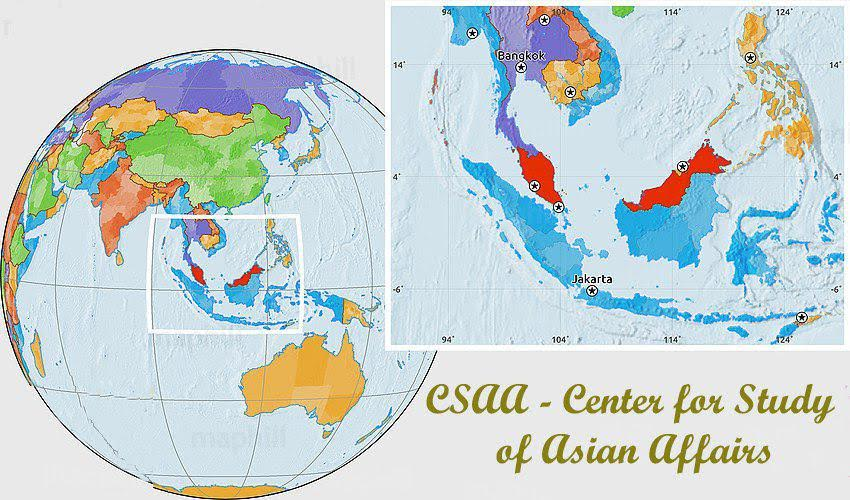
Our Newly established Center for study of Asian Affairs has
branches in Indonesia, Malaysia and Singapore, as well as freelances in some other countries.
For inquires, please contact: newsofasia.info@yahoo.com Mr.Mohd Zarif - Secretary of the Center and administer of the web-site www.newsofasia.net
Polls
 Loading ...