

Energy imports from Russia, Uzbekistan and Kyrgyzstan helps to cover Kazakhstan’s Energy Deficit
Kazakhstan is on track to eliminate its domestic electricity deficit within the next year and transition from import reliance to surplus. According to projections by the Ministry of Energy, the country will fully meet internal demand by the end of the first quarter of 2027, and by 2029, it expects to maintain a stable surplus in both electricity and regulating capacity, laying the groundwork for future exports.
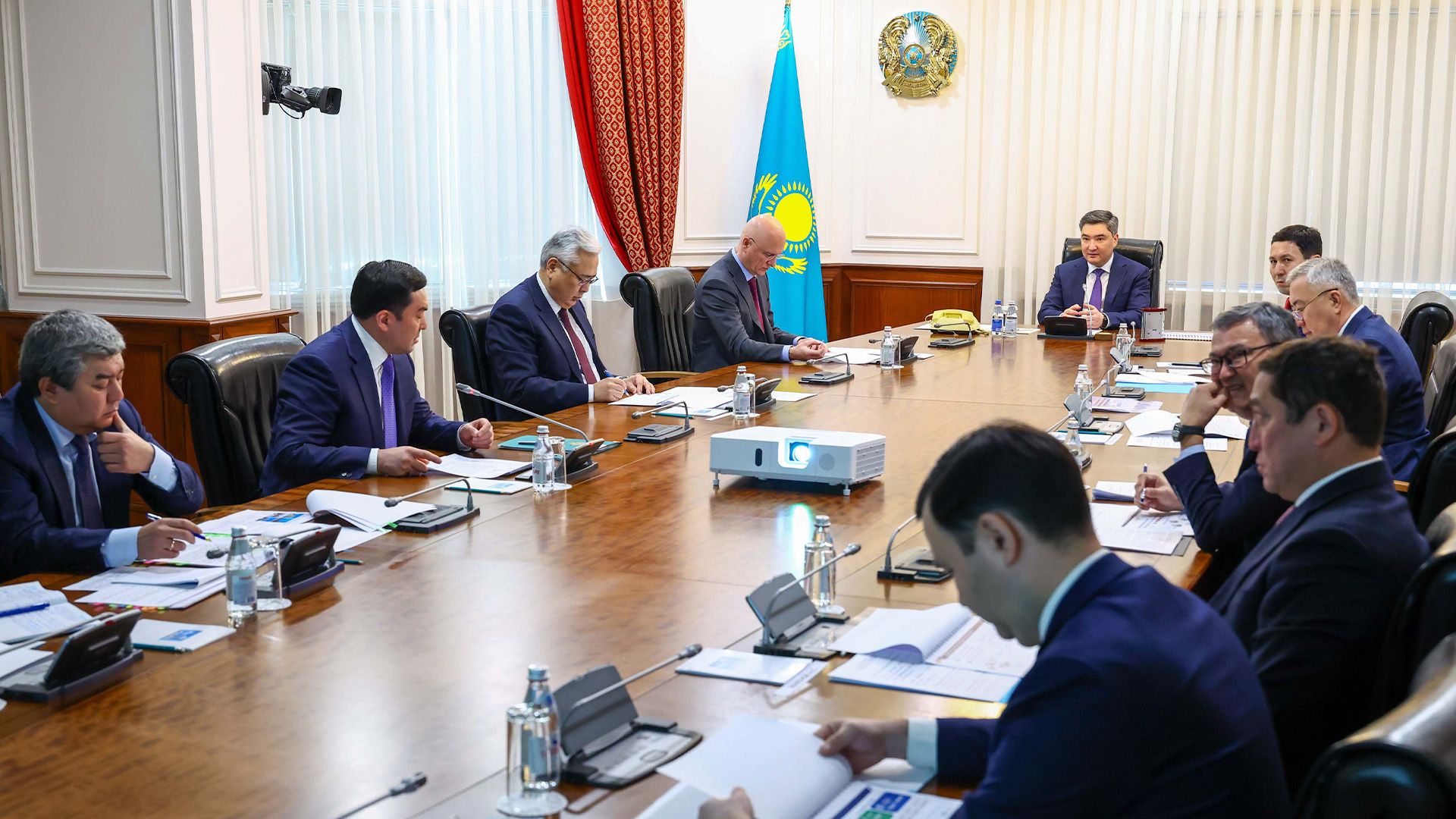
Energy Minister Yerlan Akkenzhenov announced the plan during a meeting on the development of the electric power industry.
At the close of 2025, Kazakhstan’s electricity generation totaled 123.1 billion kWh, while consumption reached 124.6 billion kWh, resulting in a deficit of over 1 billion kWh. However, this shortfall was less than half the 2 billion kWh gap recorded at the end of 2024, which was offset by imports from Russia, Uzbekistan, and Kyrgyzstan.
Installed generation capacity increased over the year from 25.3 to 26.7 GW. While coal-fired power plants continue to dominate, accounting for 51.4% of output, the shares of gas (25.6%) and renewable energy (13.5%) are steadily growing.
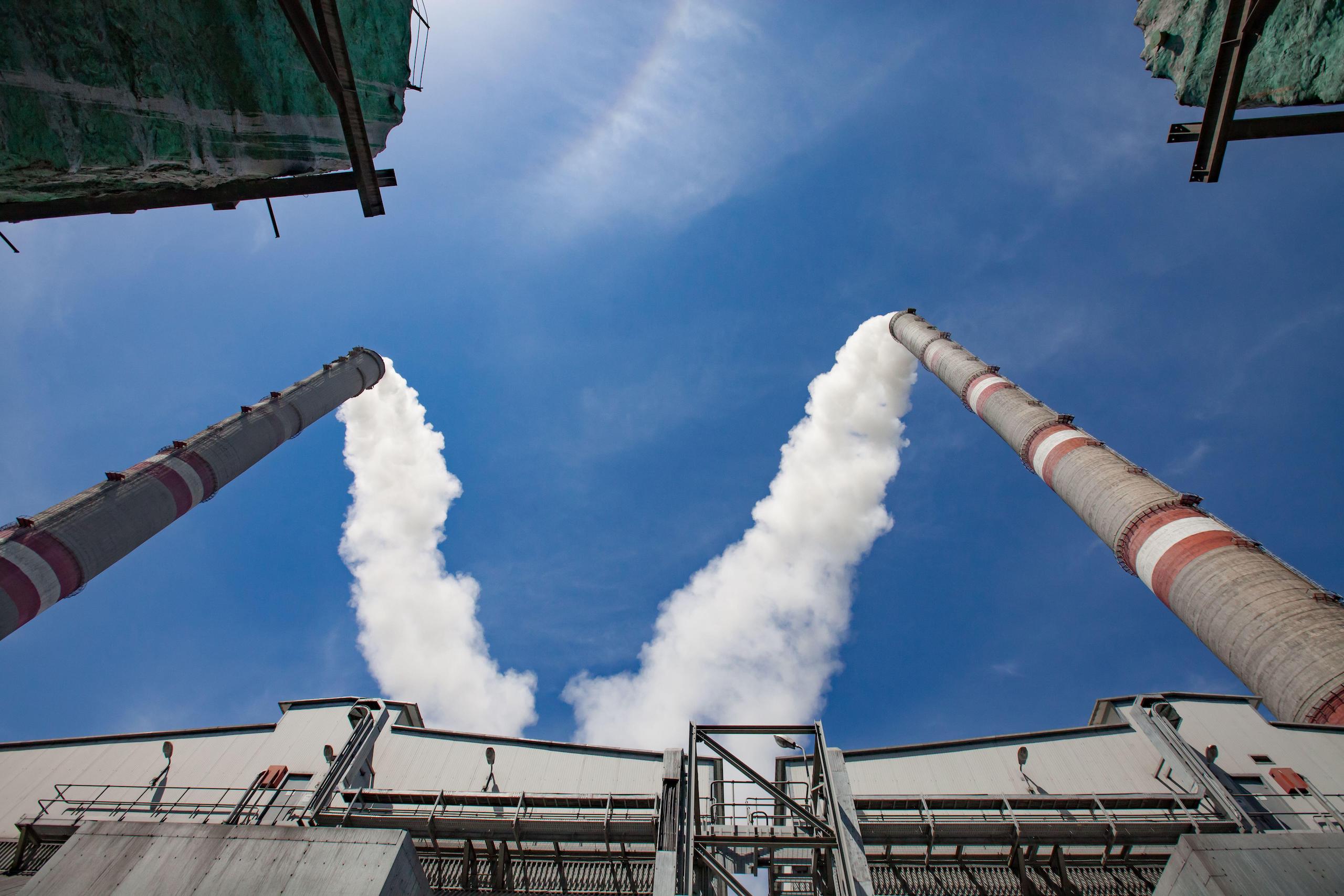
The Energy Ministry credits market liberalization for helping stabilize the power system. Over the past two years, nearly $1.8 billion in investment, mainly for capital repairs and modernization, has flowed into the sector. As a result, the number of technological violations has dropped by 27%, and nine combined heat and power (CHP) plants have exited the so-called “red zone.”
Akkenzhenov noted that generating companies’ owners did not receive dividends, with all profits reinvested into asset renewal. This marks a strategic pivot from short-term profitability to long-term system reliability.
Looking ahead to 2035, Kazakhstan plans to add over 26 GW in new generating capacity, including nuclear power. Simultaneously, the government is prioritizing upgrades to existing coal-fired plants using clean coal technologies.
Key infrastructure projects include the 2,640 MW Ekibastuz GRES-3 station, a new 700 MW facility in Kurchatov, and CHP plants in Kokshetau, Semey, and Ust-Kamenogorsk. Contractors have been selected, and implementation is already underway.
Despite this progress, systemic risks remain. Prime Minister Olzhas Bektenov has strongly criticized delays in the execution of energy projects.
Nuclear power development has emerged as a distinct strategic priority. Kazakhstan plans to construct at least three nuclear power plants. Work on the first began last summer in partnership with Russia’s Rosatom, while two more are expected to be built with the involvement of the China National Nuclear Corporation (CNNC).
President Kassym-Jomart Tokayev has described the development of nuclear energy as correcting a “historical absurdity.” Kazakhstan, one of the world’s leading uranium producers and exporters, has yet to use this resource to support its own energy needs.


- Previous “Serious Aviation Incident” Involving Russian and Uzbek Flights over Kazakh Airspace: investigation promised
- Next India shuts Kashmir medical college – after Muslims earned most admissions
You may also like...



Random news





About us
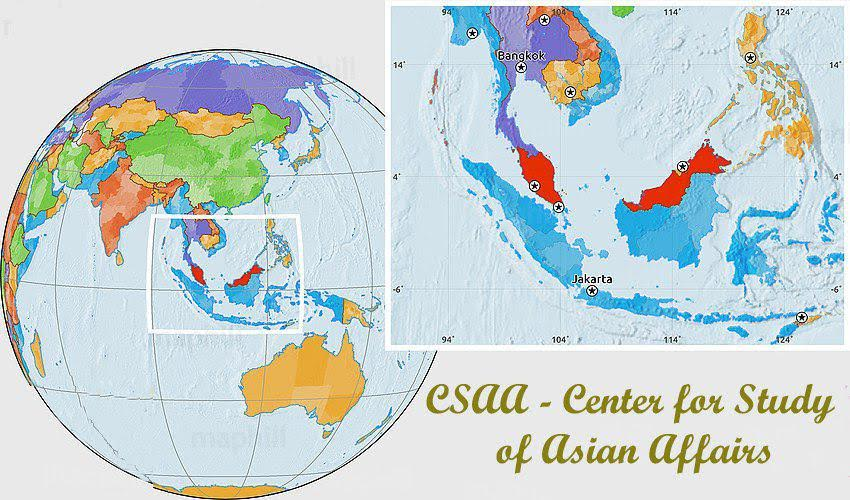
Our Newly established Center for study of Asian Affairs has
branches in Indonesia, Malaysia and Singapore, as well as freelances in some other countries.
For inquires, please contact: newsofasia.info@yahoo.com Mr.Mohd Zarif - Secretary of the Center and administer of the web-site www.newsofasia.net
Polls
 Loading ...