

Iran restores nearly half of capacity at damaged South Pars gas field

US-Israeli strikes cut off gas to Iranian homes, businesses, and industry as part of the push to ignite a color revolution

AUG 27, 2026
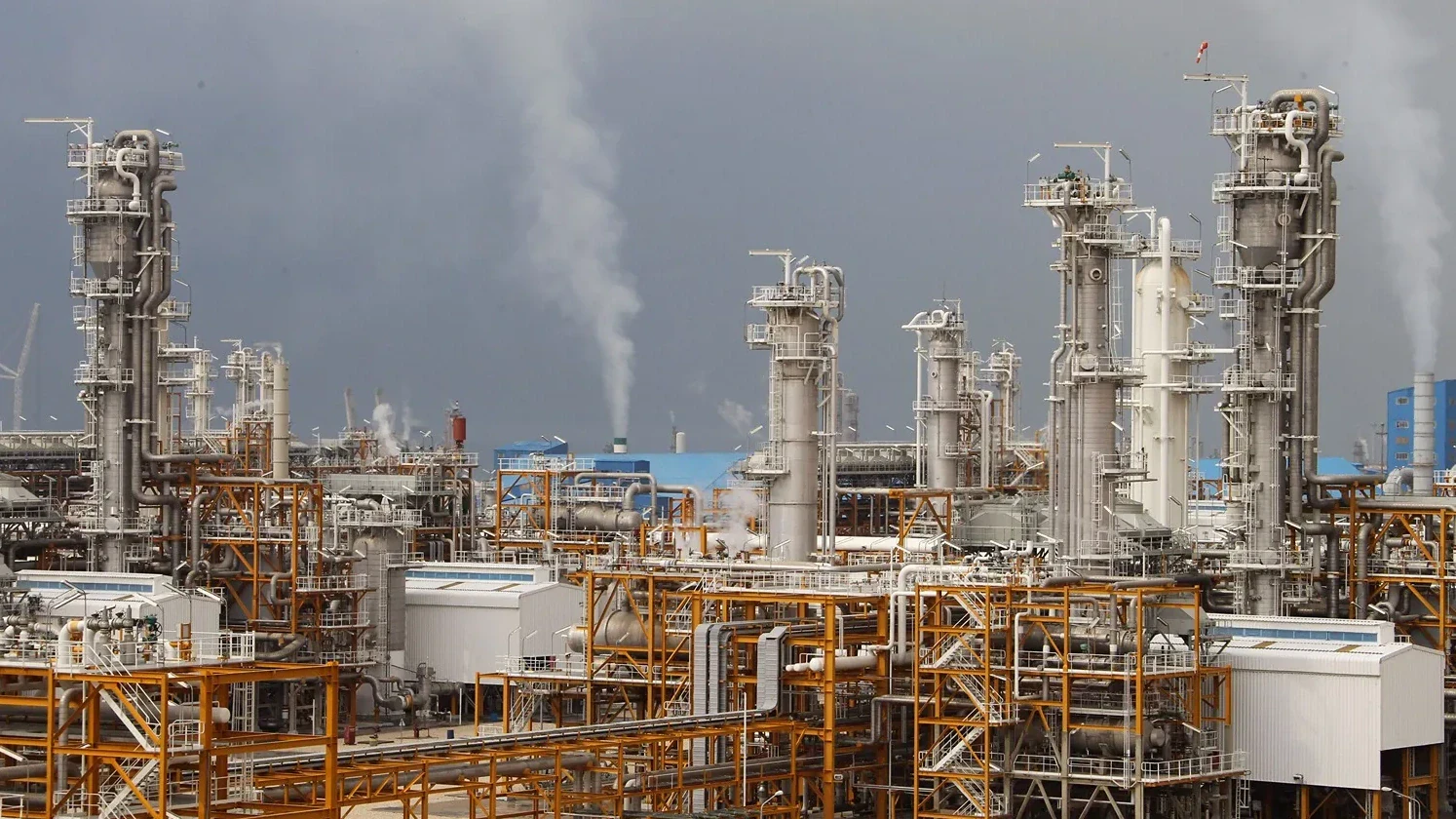 (Photo credit: Atta Kenare/AFP)
Iranian Deputy Oil Minister Ahmad Zeraatkar announced on 27 August that around 40 percent of the capacity damaged at the South Pars gas field has been restored.
“After the damage inflicted on South Pars’s production capacity, a plan to restore capacity was put on the agenda, and our colleagues managed to bring some units back online ahead of the projected schedule,” Zeraatkar told Fars News Agency.
He went on to say that “With the measures that have been taken, around 40 percent of the damaged capacity is now back in service and production in this section has resumed.”
“Full reconstruction of the damaged sites is time-consuming and will require at least around two years, but this reconstruction is being carried out by relying on domestic capabilities,” the deputy oil minister cautioned, adding that debris has been cleared in full and that rebuilding is now following a set schedule.
Zeraaktar said financial groups across the country have stepped in to fund the work, with four domestic financing projects set up under what he called one of Iran’s largest financing packages.
South Pars has been hit repeatedly since mid‑2025, with Israeli and US strikes damaging onshore refineries, gas‑treatment units and key utility infrastructure in the Assaluyeh hub.
The attacks knocked out a significant share of Iran’s gas capacity and disrupted petrochemical operations, but Tehran has since carried out phased repairs, returning the South Pars petrochemical hub to pre‑war output by late spring 2026, though overall gas‑processing capacity at the wider South Pars complex had remained below pre-war levels.
Zeraatkar said the attacks were aimed at critical infrastructure and, ultimately, at inflicting pressure on Iranian civilians to topple the government, noting that gas supplies factories as well as homes and businesses.
Despite Washington’s blockade and reports of a sharp drop in Chinese purchases, China has continued purchasing roughly 1.2 million barrels of Iranian oil a day this year, barely below 2025 levels, with privately owned refiners buying at steep discounts through ship-to-ship transfers that are difficult for Washington to track.
Beijing has condemned the new US economic campaign against Tehran and warned it will act to protect its own interests.
The US-Israeli war on Iran has pushed Tehran to accelerate a broader energy overhaul, shifting toward demand management and efficiency while expanding solar and nuclear capacity and rerouting exports overland.

- Previous US halts visa appointments at its missions worldwide
- Next Kyrgyzstan Prepares to Host 21 Heads of State of SCO
You may also like...




Random news




About us
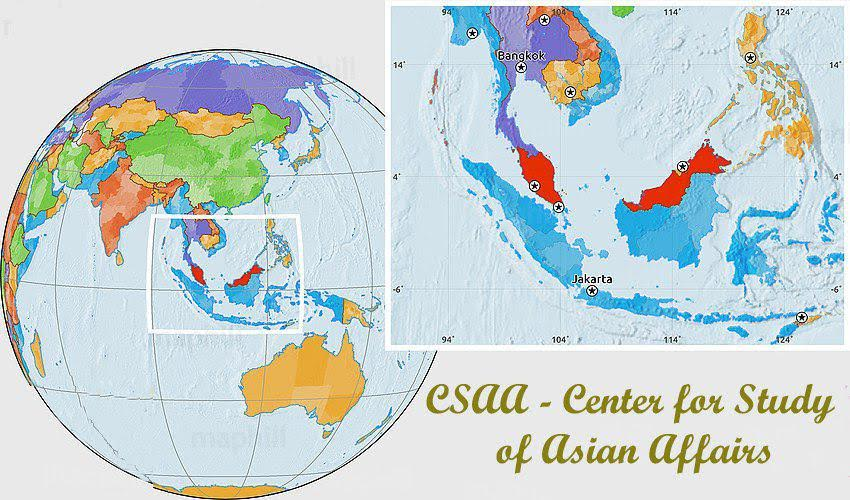
Our Newly established Center for study of Asian Affairs has
branches in Indonesia, Malaysia and Singapore, as well as freelances in some other countries.
For inquires, please contact: newsofasia.info@yahoo.com Mr.Mohd Zarif - Secretary of the Center and administer of the web-site www.newsofasia.net
Polls
 Loading ...