

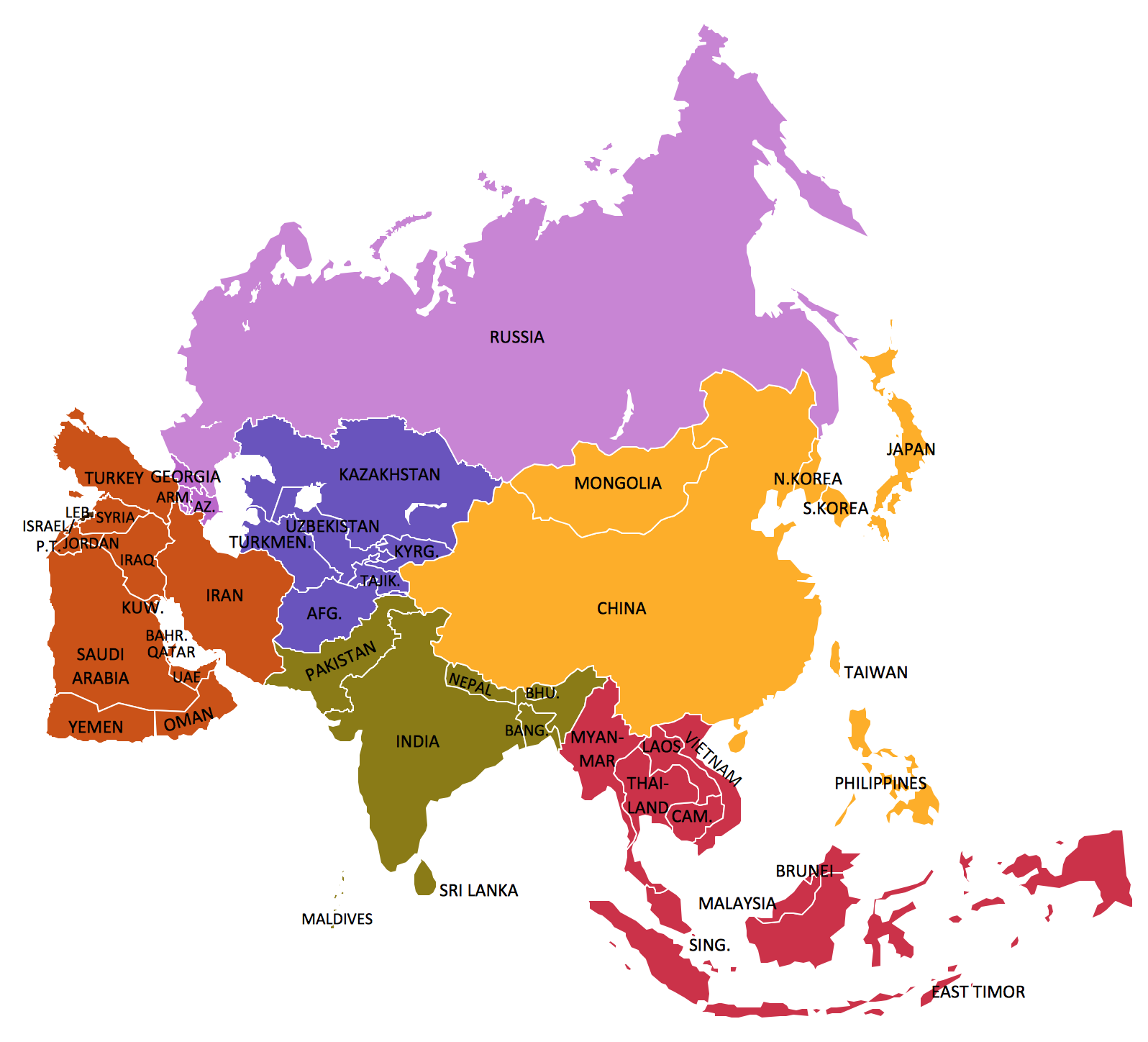
Next to Central Asia, two large groundwater reserves found in Taklimakan Desert in China’s Xinjiang
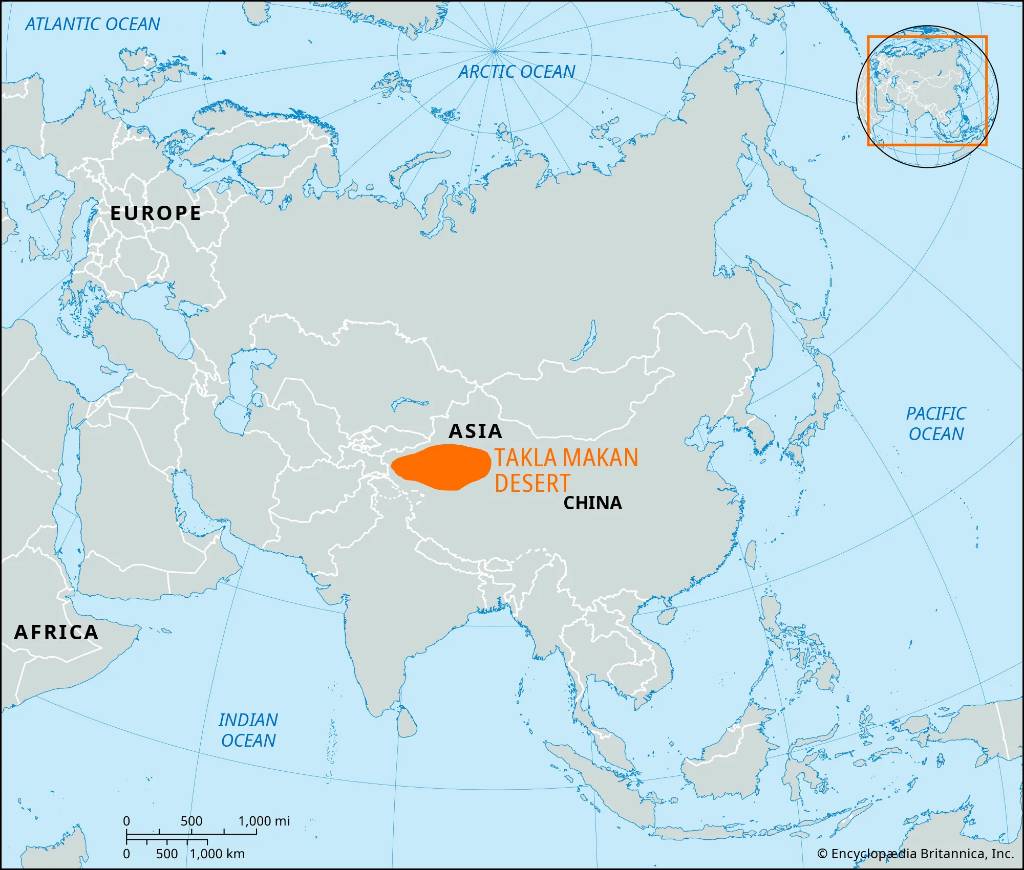
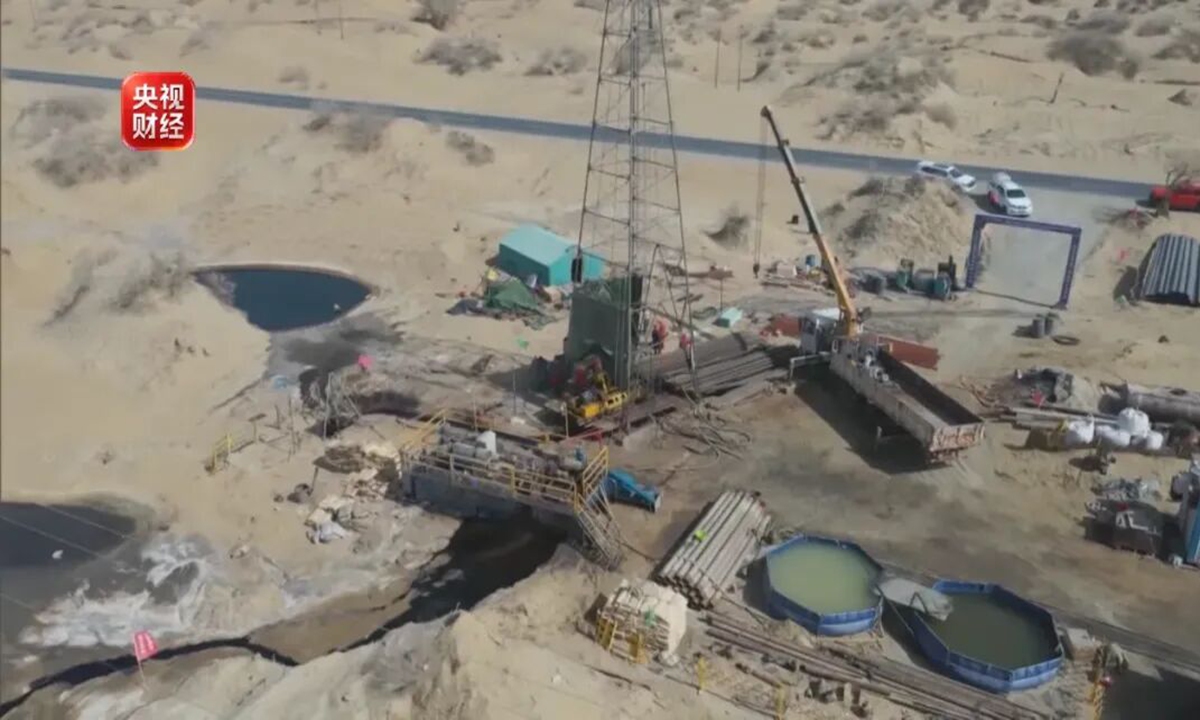
Photo: CCTV News
Two large groundwater reserves have recently been discovered in the Taklimakan Desert in Northwest China’s Xinjiang Uygur Autonomous Region, offering new insights into whether underground water resources can sustainably support the long-term development of desert areas, CCTV News reported on Wednesday.
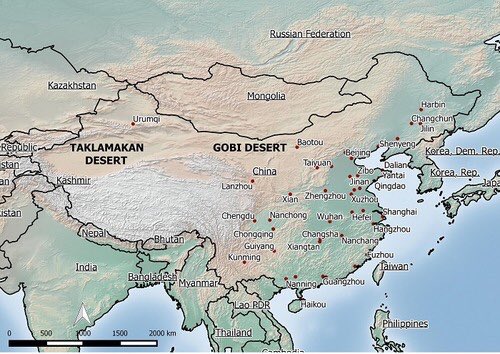
The discoveries were made near a town in Minfeng County on the southern edge of the desert and in an area south of the Mazartag Mountains in the desert’s hinterland, as part of a groundwater exploration project carried out by the Xinjiang Geological Bureau’s Hydrology and Environmental Geology Survey Center.
Kang Jian, head of the project, said the team combined satellite remote sensing, aerial geophysical surveys, ground exploration and drilling. The investigation showed that the groundwater in the areas is not stagnant but flowing and renewable, with both fresh and saline water present.
The team also developed three-dimensional and hydrogeological models to map the distribution of fresh and saline groundwater and assess how much water is available and how it could be used.
Researchers have also built a pilot station to test the safe use of brackish groundwater for irrigation in projects aimed at containing the expansion of the Taklimakan Desert, providing an additional potential water source for ecological restoration.
Zhang Lei, director of the survey center, said the significance of the project goes beyond determining how much groundwater has been found. The broader question, he said, is whether such water resources can sustainably support the long-term development of desert areas and provide geological solutions for improving water security in southern Xinjiang.
The Taklimakan Desert covers 337,600 square kilometers and its perimeter measures 3,046 km, making it the largest desert in China and the second-largest drifting desert in the world, according to the Xinhua News Agency.

- Previous Chinese Global Times: China and India are partners, not rivals
- Next War is OK: Despite the Iranian bombs, UAE state oil company buys up discounted Iraqi oil
You may also like...





Random news




About us
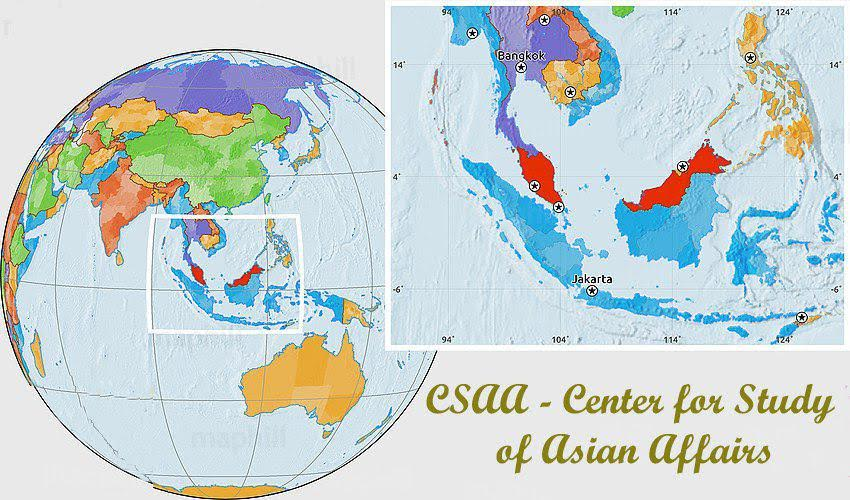
Our Newly established Center for study of Asian Affairs has
branches in Indonesia, Malaysia and Singapore, as well as freelances in some other countries.
For inquires, please contact: newsofasia.info@yahoo.com Mr.Mohd Zarif - Secretary of the Center and administer of the web-site www.newsofasia.net
Polls
 Loading ...