

An outcome of ‘intensive’ China-EU talks on hybrid cars, EVs – de-facto Europeans surrender
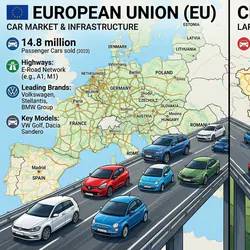
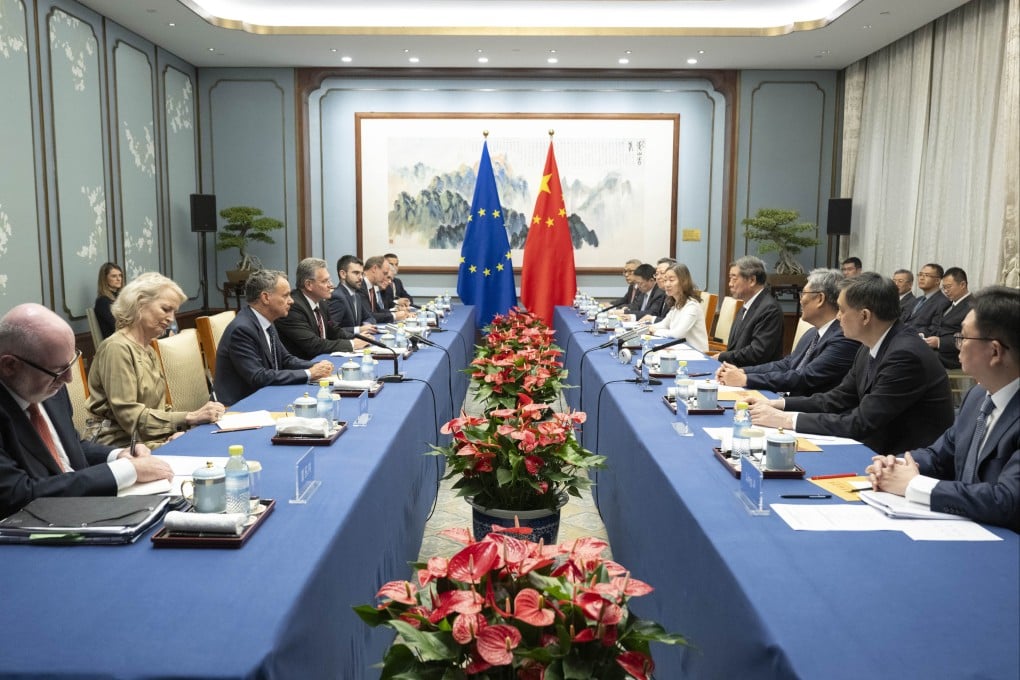
A spokesperson for the MOFCOM made the remarks when responding to a media question about recent China-EU in-depth discussions on hybrid car and EV trade under the trade and investment consultation mechanism, which prevented the situation from escalating and prompted speculation among some foreign media outlets regarding details such as the volume of trade arrangements for hybrid vehicles.
The spokesperson said that the two sides emphasized and confirmed three basic principles on hybrid vehicles. According to Eurostat data, EU imports of hybrid vehicles from China stood at 107,000 units in 2024 and 302,000 units in 2025. Building upon the 2025 figures, the two sides reached an arrangement for upward adjustment to ensure export capacity and stable growth for Chinese enterprises, while addressing the realistic and legitimate concerns of industries on both sides.
The two sides also agreed that no measures will specifically target Chinese products, let alone subject Chinese enterprises to discriminatory treatment. The quotas allocated to China will be no less favorable than those granted to any other source of imports for the EU, according to the MOFCOM spokesperson, adding that both sides affirmed that trade arrangements should comply with WTO rules and that the Chinese side reserves all rights, including recourse to dispute settlement and demands for trade compensation, within the WTO framework.

For EVs, the spokesperson noted that the two sides secured a “soft landing” for the EU’s countervailing duty case in January this year, when the EU issued general guidance on price undertakings, and that the EU will continue to advance procedures for company-specific price undertakings and other review processes under the EV case.
Based on equality and mutual benefit, the aforementioned consensus effectively safeguards the interests of Chinese enterprises and averts an escalation of trade friction between China and the EU; it also provides a stable, predictable, and sustainable environment for trade and investment, thereby fostering the stable, balanced, and healthy development of bilateral economic and trade relations, the spokesperson said.

You may also like...



Random news








About us
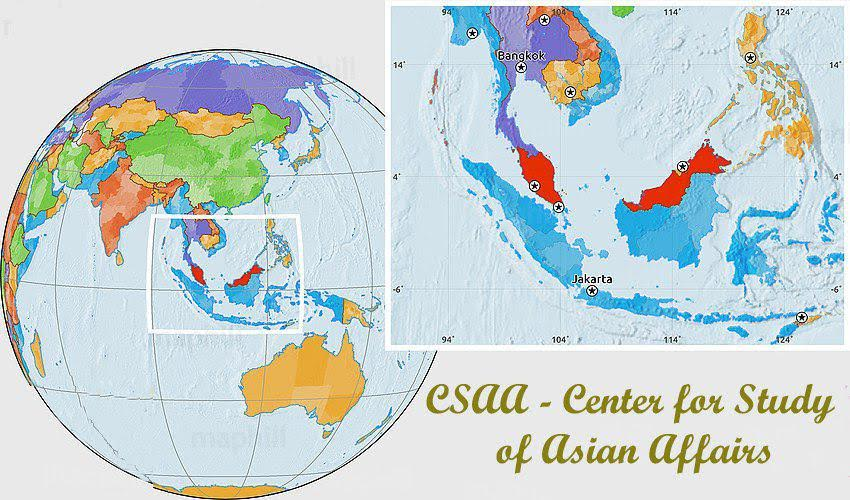
Our Newly established Center for study of Asian Affairs has
branches in Indonesia, Malaysia and Singapore, as well as freelances in some other countries.
For inquires, please contact: newsofasia.info@yahoo.com Mr.Mohd Zarif - Secretary of the Center and administer of the web-site www.newsofasia.net
Polls
 Loading ...