

India Today (and Israeli Media): With Pakistani Field Marshal Munir at negotiating table, Saudi Arabia offers $1 billion to Houthis for peace
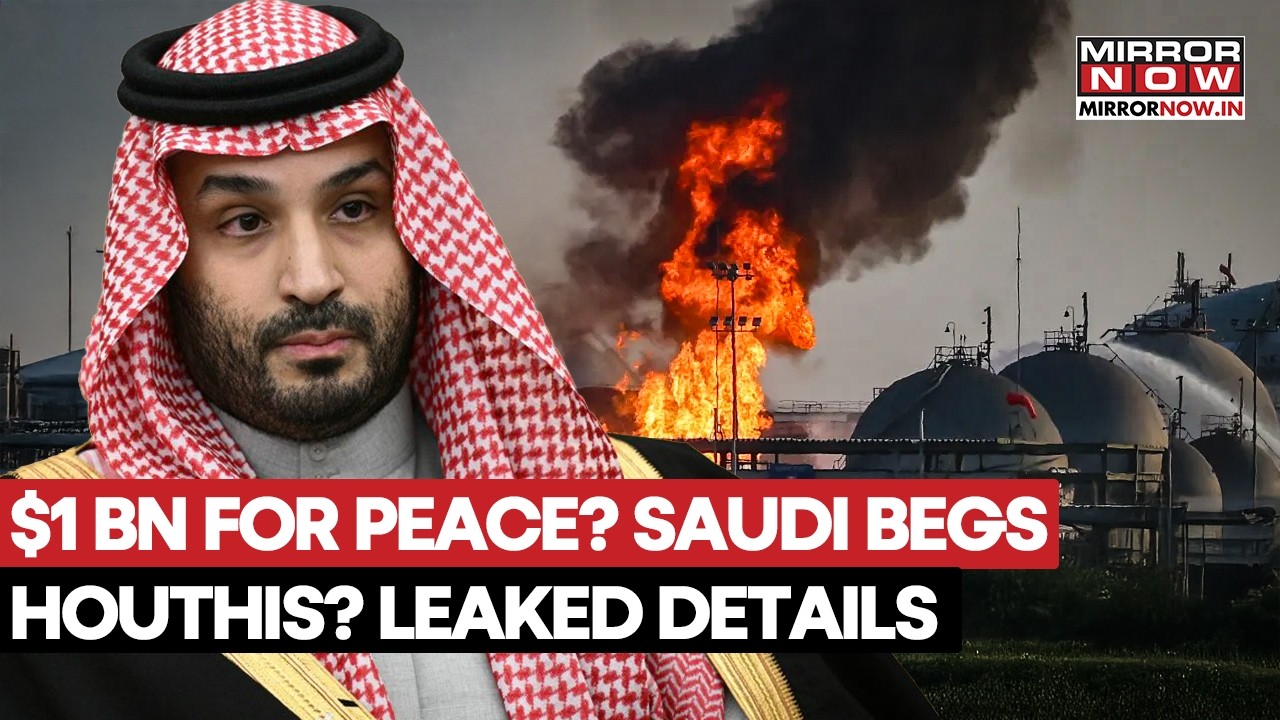

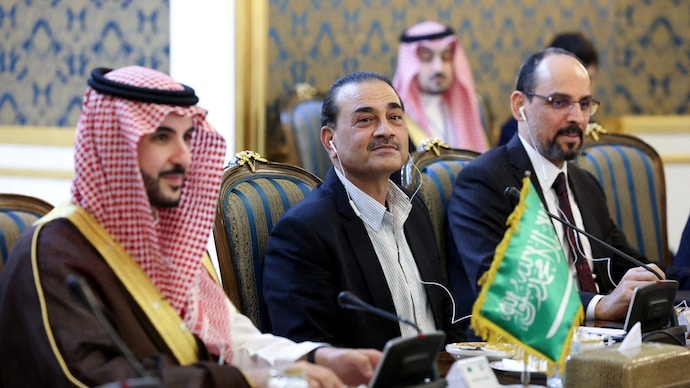
Saudi Arabia has offered $1 billion to Yemen’s Iran-backed Houthi rebels in a bid to secure a ceasefire and restore oil exports, reported an Israeli media outlet. The talks were held as part of the Mecca pact and Pakistan’s Army Chief Field Marshal Asim Munir was involved in the negotiations aimed at containing the escalating Middle East crisis.
However, the report did not establish that any payment had been made, and a Saudi official did not confirm a transfer.
WHY SAUDI ARABIA IS SEEKING A DEAL
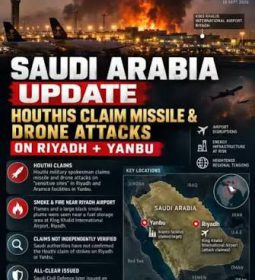
The reported negotiations come against the backdrop of Houthi attacks on Saudi airports and, particularly, oil facilities, which have inflicted significant economic damage on the kingdom. At the same time, attacks attributed to Iran on tankers in the Strait of Hormuz have disrupted oil exports from the Gulf, adding to the pressure on regional energy markets.
Saudi Arabia has a direct stake in containing the escalation. A prolonged confrontation threatens oil exports, critical infrastructure and the kingdom’s economic interests. The reported offer, if pursued, would represent an attempt to use financial incentives and Iranian mediation to secure a halt to attacks.
According to the Israeli newspaper, the dispute also involves understandings reached around three years ago under which Riyadh was expected to provide financial assistance to the Houthis as part of a broader settlement. The proposed funding was intended, among other purposes, to pay public-sector salaries in areas under Houthi control and rebuild civilian infrastructure.
In return, the Houthis were expected to maintain a ceasefire and stop attacks on Saudi Arabia. In recent months, the rebels have reportedly cited Saudi Arabia’s failure to honour those understandings to justify renewed attacks.
The report, however, also pointed to Iran’s role in the latest escalation, alleging that Tehran has continued to arm and support the Houthis as part of its wider confrontation with the United States.
$1-BN OFFER MADE BY SAUDI; PAKISTAN’S ASIM MUNIR AT THE NEGOTIATING TABLE
The meeting also comes after Saudi Arabia, Pakistan and Turkey signed the Mecca mutual defence pact in August. The agreement envisages military assistance if a member comes under attack. However, Pakistan and Turkey have provided limited assistance, sending military advisers but no additional support forces despite the escalating attacks on Saudi Arabia.
The talks in Tehran reportedly included Iranian President Masoud Pezeshkian, Supreme National Security Council Secretary General Mohsen Rezaei and senior officials from the Islamic Revolutionary Guard Corps. Iran offered to mediate between Saudi Arabia and the Houthis, positioning itself as a key intermediary despite its support for the rebel movement.
IRAN GAINS DIPLOMATIC LEVERAGE IN MIDDLE EAST
For Tehran, the latest talks offered an opportunity to demonstrate that it remains central to regional security negotiations. The meeting was the first official engagement between representatives of the Mecca defence alliance and Iran’s leadership.
However, Riyadh’s publicly stated position remains more cautious than the reported financial proposal suggests. According to Israel Hayom, Saudi Arabia has rejected the idea of yielding to what it called “military blackmail” and opposes transferring funds to the Houthis before they return territory seized from Yemen’s internationally recognised government, which Riyadh backs.
For now, the $1-billion offer remains reported but unconfirmed. While the Saudi visit to Tehran and the participation of Pakistani and Turkish officials have been reported by multiple news outlets, neither the alleged payment nor a final ceasefire agreement has been independently established.

- Previous Rubio’s visit to Samarkand: The United States Returns to Central Asia With Capital, Critical Minerals and Corridors
- Next Malaysia expects RM4,500 per tonne for 2027 for Palm oil
You may also like...


Random news


About us
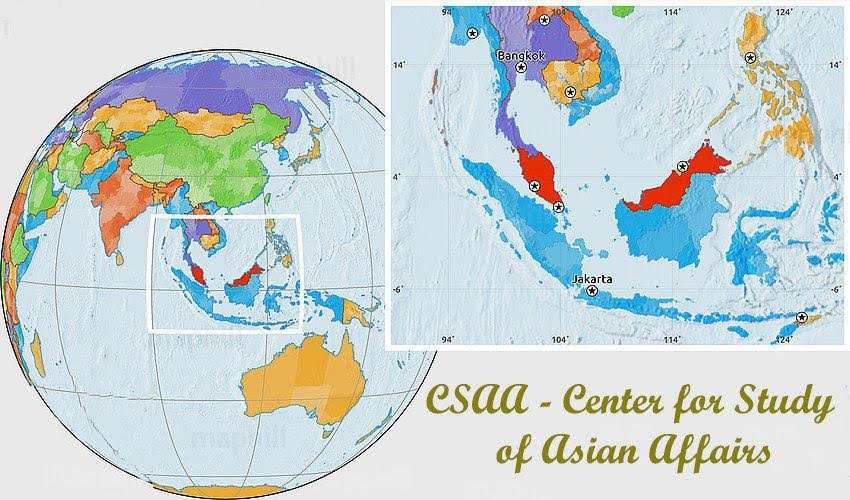
Our Newly established Center for study of Asian Affairs has
branches in Indonesia, Malaysia and Singapore, as well as freelances in some other countries.
For inquires, please contact: newsofasia.info@yahoo.com Mr.Mohd Zarif - Secretary of the Center and administer of the web-site www.newsofasia.net
Polls
 Loading ...