

Trade Indian transit to water rights: Bangladesh leader Nahid Islam opposes Indian transit corridor, seeks fair Ganga water deal
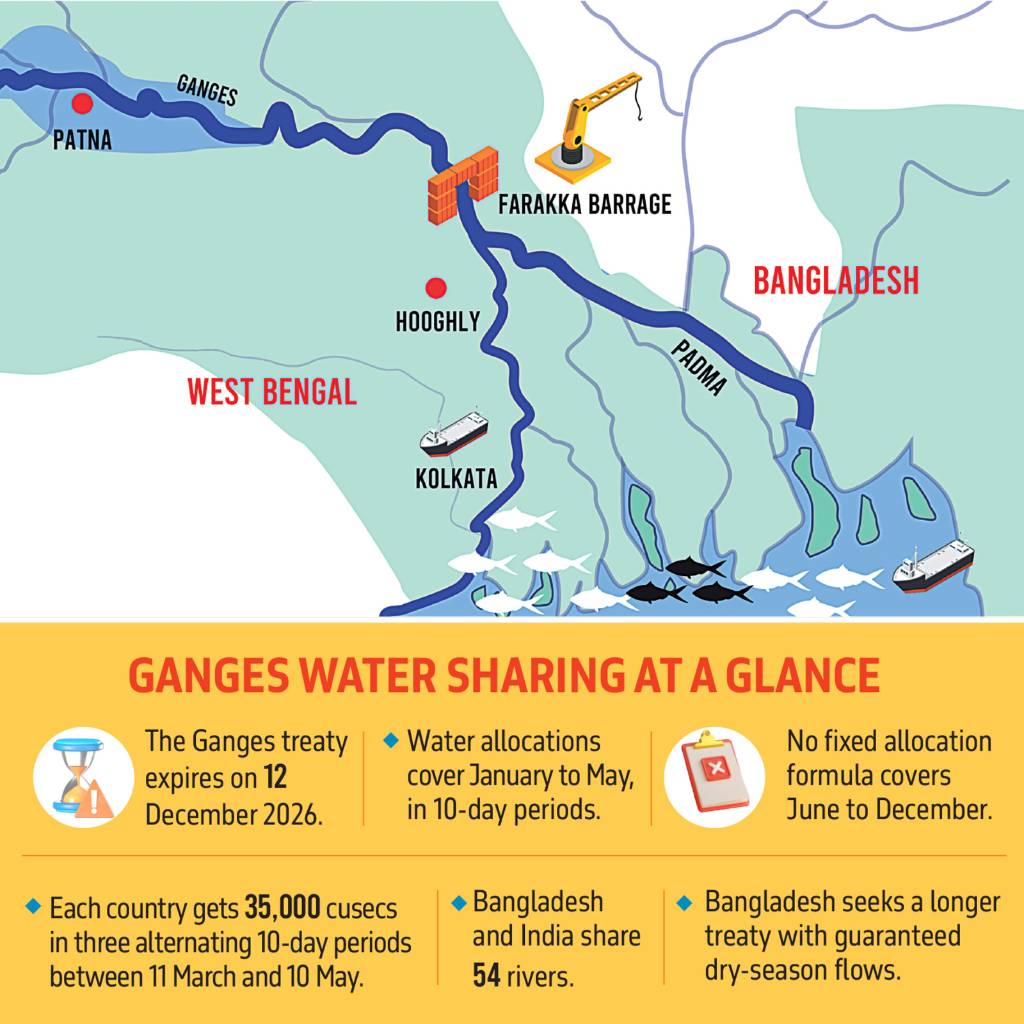
Nahid Islam warned the Bangladesh government against facilitating an Indian transit corridor. His remarks linked regional connectivity concerns with demands for equitable Ganges water sharing.

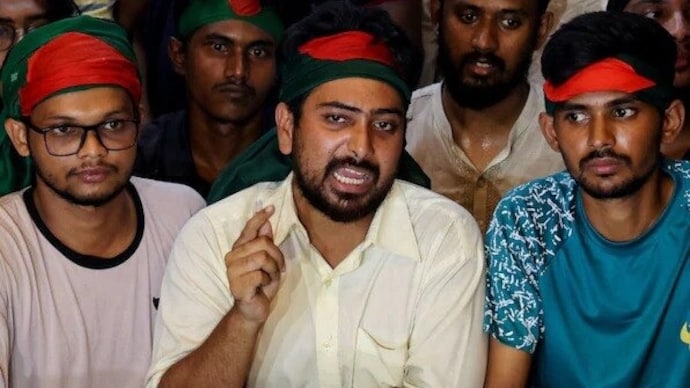
Bangladesh opposition leader Nahid Islam has warned against any move to create an Indian transit corridor through the country and called for a fair water-sharing agreement with New Delhi before the Ganges treaty expires in December, news agency Press Trust of India reported, citing local media.
Speaking at a rally in Dhaka on Friday, the National Citizen Party convener accused Prime Minister Tarique Rahman’s government of trying to facilitate the corridor. He also threatened fresh protests if the Ganges water-sharing agreement was not renewed on terms that protected Bangladesh’s share of the river’s waters, according to Bangladeshi newspaper Prothom Alo and news website bdnews24.

The NCP was formed in February 2025 by leaders associated with the student-led movement that played a central role in the July 2024 street protests against former prime minister Sheikh Hasina.
“Japan is trying to create a corridor through Bangladesh once again. The government is trying to hand over the illegal corridor to India. Prime Minister Tarique Rahman, we want to say clearly that the people of Bangladesh will not accept any such illegal corridor,” bdnews24 quoted Nahid as saying.
Japanese officials have previously outlined a wider regional connectivity plan centred on the port. The plan envisages an industrial chain linking India’s northeastern states with the Bay of Bengal and Southeast Asia through Bangladesh.
However, Bangladesh’s State Minister for Foreign Affairs Humaiun Kobir said on Friday that no issue involving a third country was discussed during Rahman’s visit to Japan. “We made it very clear… no third country reference. We didn’t go there to discuss the Bay of Bengal because the Bay of Bengal doesn’t belong to us only,” the Dhaka Tribune quoted him as telling reporters.
Kobir said the discussions focused on the economic partnership between Bangladesh and Japan. If issues involving other countries had to be discussed, representatives of those countries would need to be present, UNB news agency quoted him as saying.
India said on October 28 that it would further strengthen its partnership with Japan, including initiatives involving the northeastern states. The statement came hours after Rahman and Japanese Prime Minister Sanae Takaichi agreed to improve regional connectivity and signed agreements providing additional Japanese assistance for the Matarbari deep-sea port.
Nahid also raised the Ganges water-sharing treaty, which expires on December 12. He warned that Bangladeshis would take to the streets if the agreement was not renewed fairly. “This time we will not give up even a single bit of our fair share in the Ganga Water Treaty,” bdnews24 quoted him as saying.
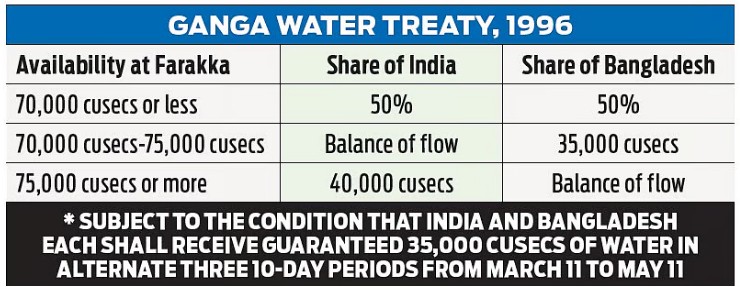
Signed on December 12, 1996, the 30-year treaty governs the sharing of Ganges waters between India and Bangladesh at the Farakka Barrage in West Bengal during the lean season from January to May, PTI reported.
Bangladesh has been seeking a new or revised long-term agreement with a guarantee clause, similar to the provision in the 1977 agreement, to protect its share of the river’s waters during the dry season. India has said that river-related and water-sharing issues with Bangladesh are discussed through the bilateral Joint Rivers Commission.
With PTI Inputs

- Previous Rogun Hydropower Plant Accident Sparks Concerns Across the Central Asia
- Next Quad “An Asian NATO”- aims to curb at China’s economic might
You may also like...


Random news




About us
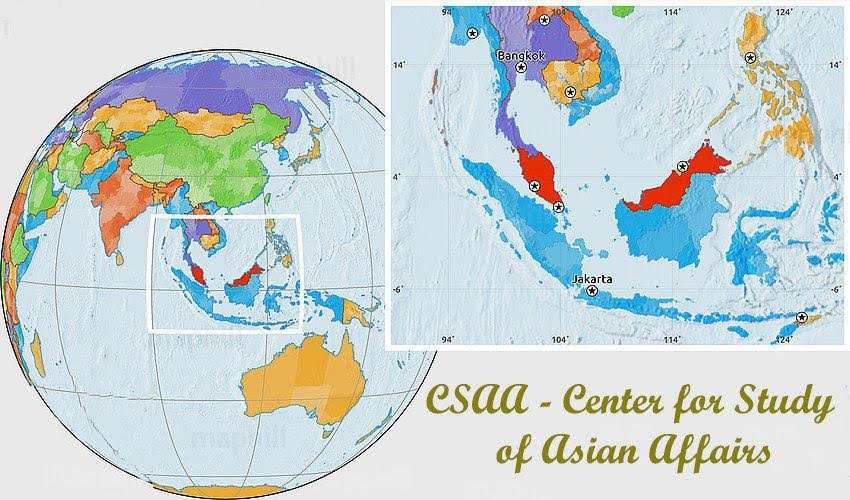
Our Newly established Center for study of Asian Affairs has
branches in Indonesia, Malaysia and Singapore, as well as freelances in some other countries.
For inquires, please contact: newsofasia.info@yahoo.com Mr.Mohd Zarif - Secretary of the Center and administer of the web-site www.newsofasia.net
Polls
 Loading ...