

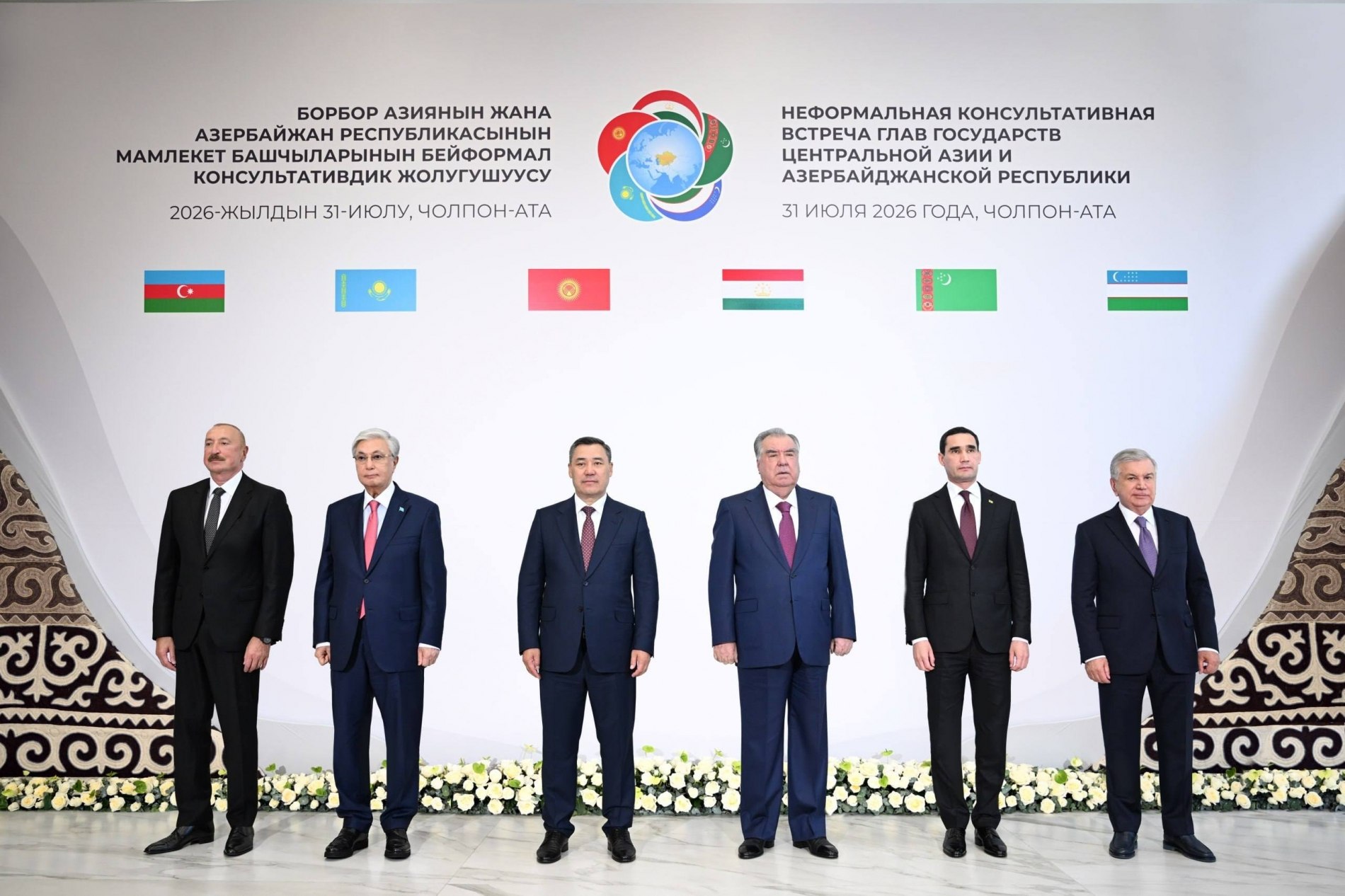
Central Asian states and Azerbaijan sign cooperation roadmap

Roundup of developments relevant for Silk Seven-Plus initiative.
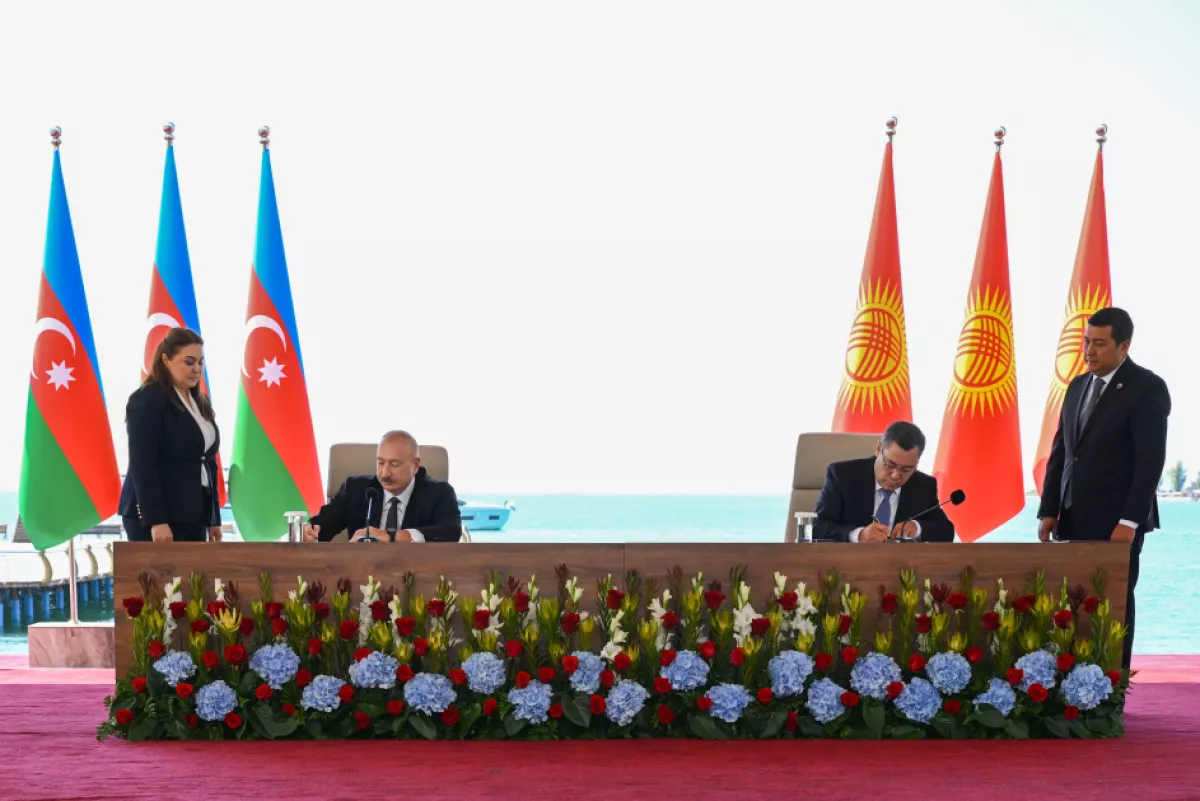
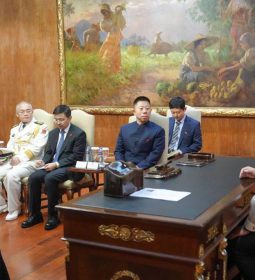
The meeting formalized Azerbaijan’s status as a full participant in Central Asian councils, expanding a format known as the C5 to C6. Kyrgyz President Sadyr Japarov told attendees that Kyrgyzstan would use its tenure as a member of the UN Security Council to promote the common interests of C6 states. Azerbaijani leader Ilham Aliyev noted that “relations with the countries of Central Asia are among” Baku’s top foreign policy priorities.
Central Asian leaders also used the occasion to sign a variety of bilateral agreements. Uzbekistan and Kyrgyzstan signed an allied relations treaty and other documents; Azerbaijan and Kyrgyzstan also signed agreements covering transport, energy and trade.
Islamabad is trying to persuade Kazakhstan to prioritize Pakistani ports over Iranian. Kazakh Ambassador Yerzhan Kistafin met with Pakistan’s minister of Maritime Affairs, Muhammad Junaid Anwar Chaudhry on July 29 to discuss trade-related issues. Chaudhry offered Kazakhstan access to port facilities in Karachi, Port Qasim and Gwadar, according to a Pakistani government statement. It noted that Islamabad is “keen to enhance engagement with Kazakhstan in ports, shipping, trade facilitation and regional connectivity.” In late June, Kazakh officials expressed interest in building a logistics facility at the Iranian port of Bandar Abbas, despite ongoing tension between Iran and the United States.
Azerbaijan, Turkmenistan and Uzbekistan have launched a digital system, known as eTIR, to expedite cross-border trade. The new system reduces the time needed for customs clearance by eliminating paperwork in favor of electronic entries that are shared. The first test runs of the eTIR system involved a truck carrying televisions and music equipment from Azerbaijan to Uzbekistan via Turkmenistan, as well as four trucks carrying commodities, including cotton and water, crossing the Caspian Sea from the Turkmen port of Turkmenbashi to Azerbaijan. “The implementation of the eTIR system is … important in terms of increasing the attractiveness of the Middle Corridor and increasing the volume of cargo transportation via this route,” according to a statement issued by Azerbaijan’s customs service.
The New Lines Institute for Strategy and Policy has developed an initiative called the Silk Seven-Plus (S7+), a blueprint to enable states in Greater Central Asia to realize their economic growth ambitions. It is a multi-phase connectivity plan to strengthen the sovereignty of regional states. The S7+ envisions the establishment of a trade crescent connecting the Caspian Basin to the Arabian Sea, unlocking Greater Central Asia’s full trade potential. The items included in this roundup are relevant to the development of the S7+ concept.

- Previous Hurdles and Opportunities for Central Asian Business in a New Era: Logistics, Raw Materials and Manufacturing Capacity Building in Cooperation with the United States of America
- Next Analysis of Draft Agreement on the Strait of Hormuz: Does it meets US goals?
You may also like...



Random news




About us
Our Newly established Center for study of Asian Affairs has
branches in Indonesia, Malaysia and Singapore, as well as freelances in some other countries.
For inquires, please contact: newsofasia.info@yahoo.com Mr.Mohd Zarif - Secretary of the Center and administer of the web-site www.newsofasia.net
Polls
 Loading ...