

China fears rise of Samurai spirit with defense spendings: expert warns of shift toward offensive military capability


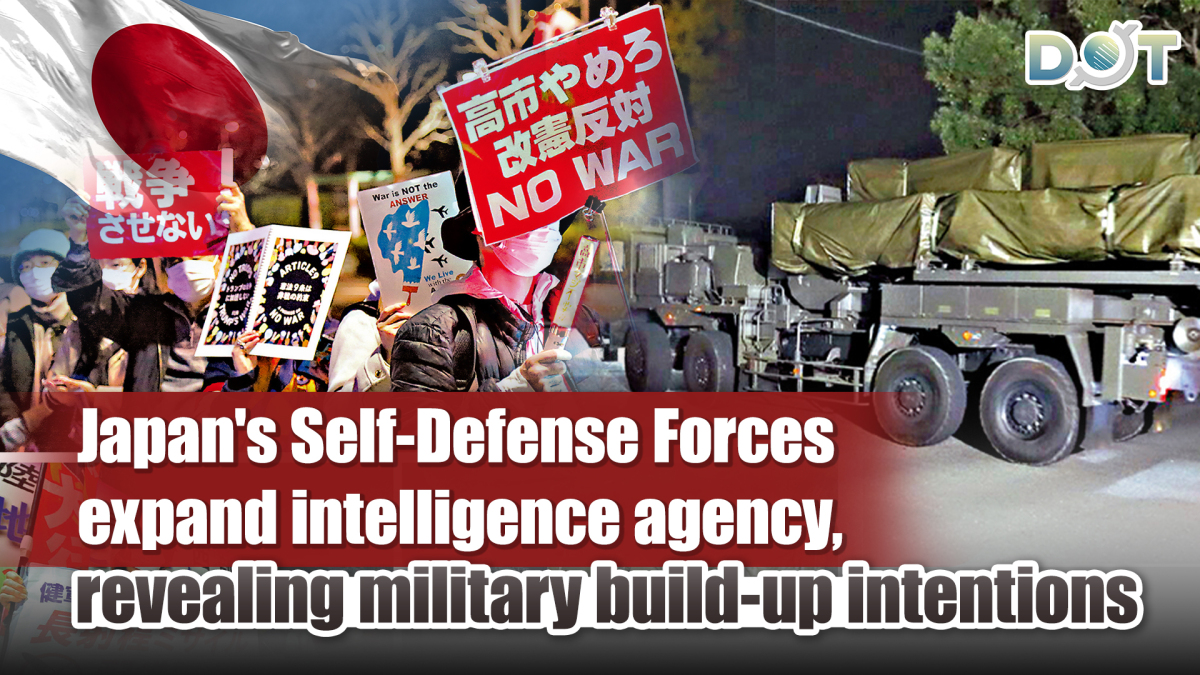
Protesters hold up signs as they listen to speakers during a rally against the current government across the street from the National Diet in Tokyo on August 19, 2026. Photo: VCG
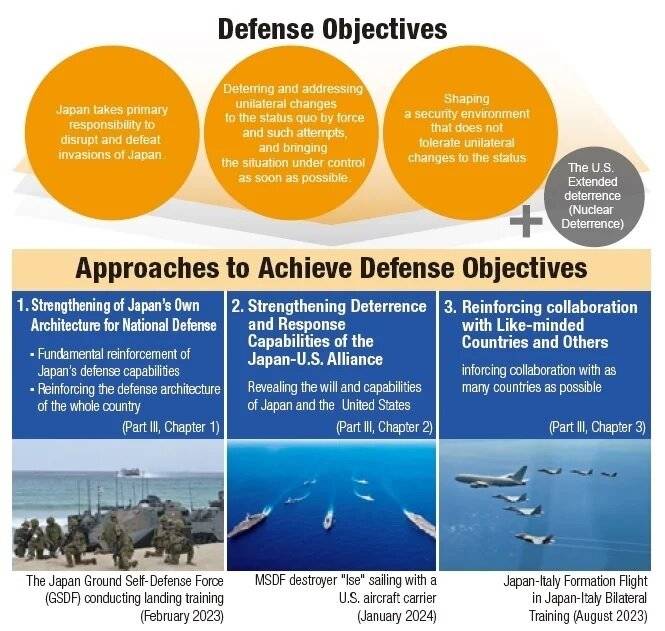
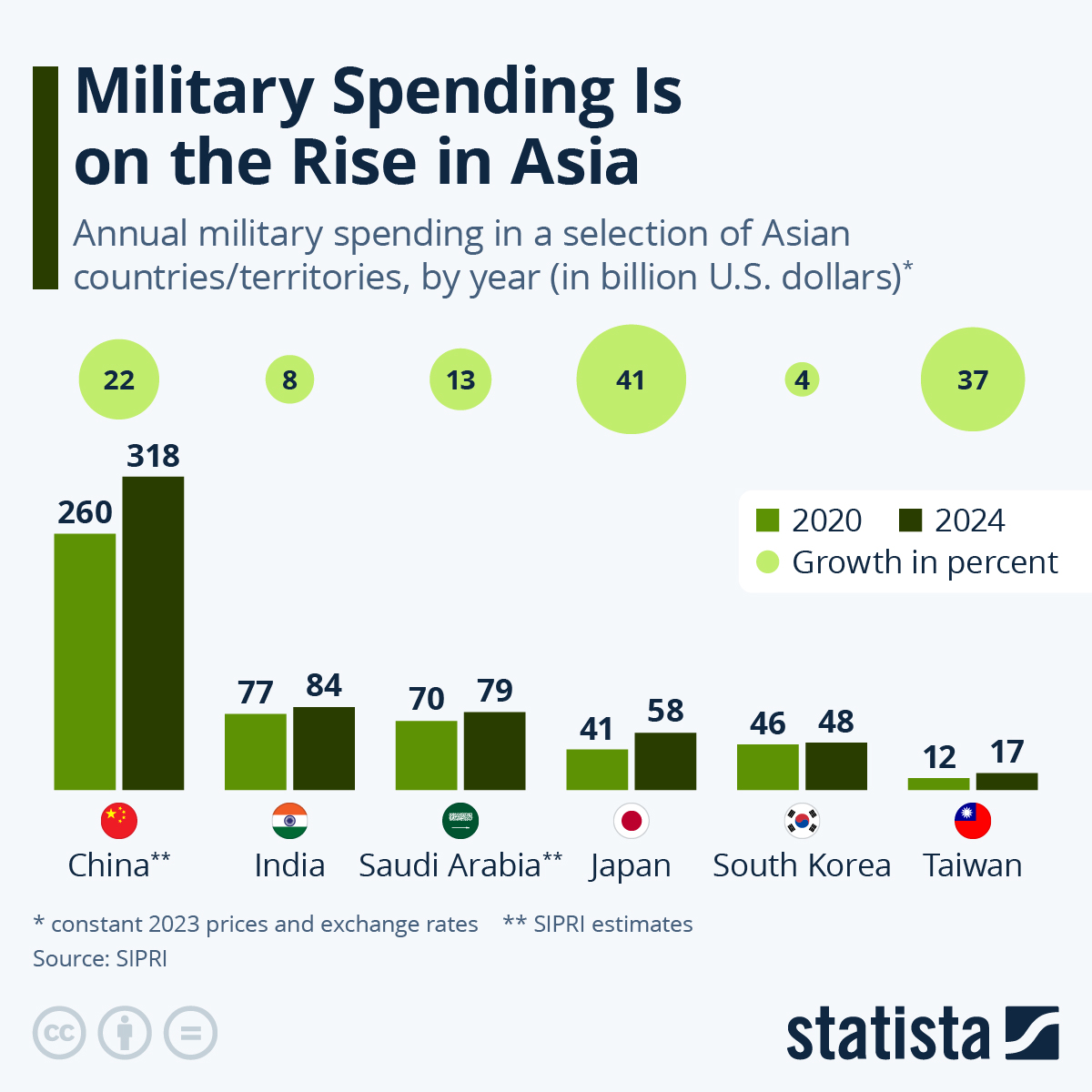
Japan is considering allocating 56.3 trillion yen ($353.4 billion) for defense spending over the next five years, a substantial increase from its current five-year plan, as Tokyo pushes ahead with a sweeping expansion of its military capabilities. The move, alongside a series of recent military pushes, reflects Japan’s accelerating shift away from its long-held “exclusively defense-oriented policy” toward developing both offensive and defensive military capabilities, a Chinese military expert said, warning that the buildup could heighten security risks.

The Japanese government is considering the 56.3 trillion yen figure for the five years starting in fiscal 2027, up from the 43 trillion yen allocated under the current five-year framework, the Asahi Shimbun reported on Friday, citing government sources. The spending amount is expected to be reflected in early revisions to the country’s three security documents, which are scheduled to be completed by the end of this year, according to the report.
Japanese Prime Minister Sanae Takaichi had expressed her intention to revise the documents a year earlier than scheduled to significantly bolster Japan’s defense capabilities amid an increasingly severe international security environment, per Asahi Shimbun.
Specifically, the plan could feature large purchases of drones, missile procurement and improvements in Japan’s ability to sustain military operations, Jiji News reported.
Zhang Junshe, a military affairs expert, told the Global Times on Friday that the planned spending and the weapons procurement it would support reflect a shift in Japan’s military strategy from its long-held “exclusively defense-oriented policy” toward a combination of defensive and offensive capabilities.
Zhang said these priorities point to a broader change in the nature of Japan’s military buildup. Rather than focusing solely on equipment upgrades or responding to immediate security contingencies, Tokyo is developing capabilities intended to support longer-term military operations, including logistics, supply and infrastructure resilience. This, he said, reflects a shift toward more comprehensive war preparations.

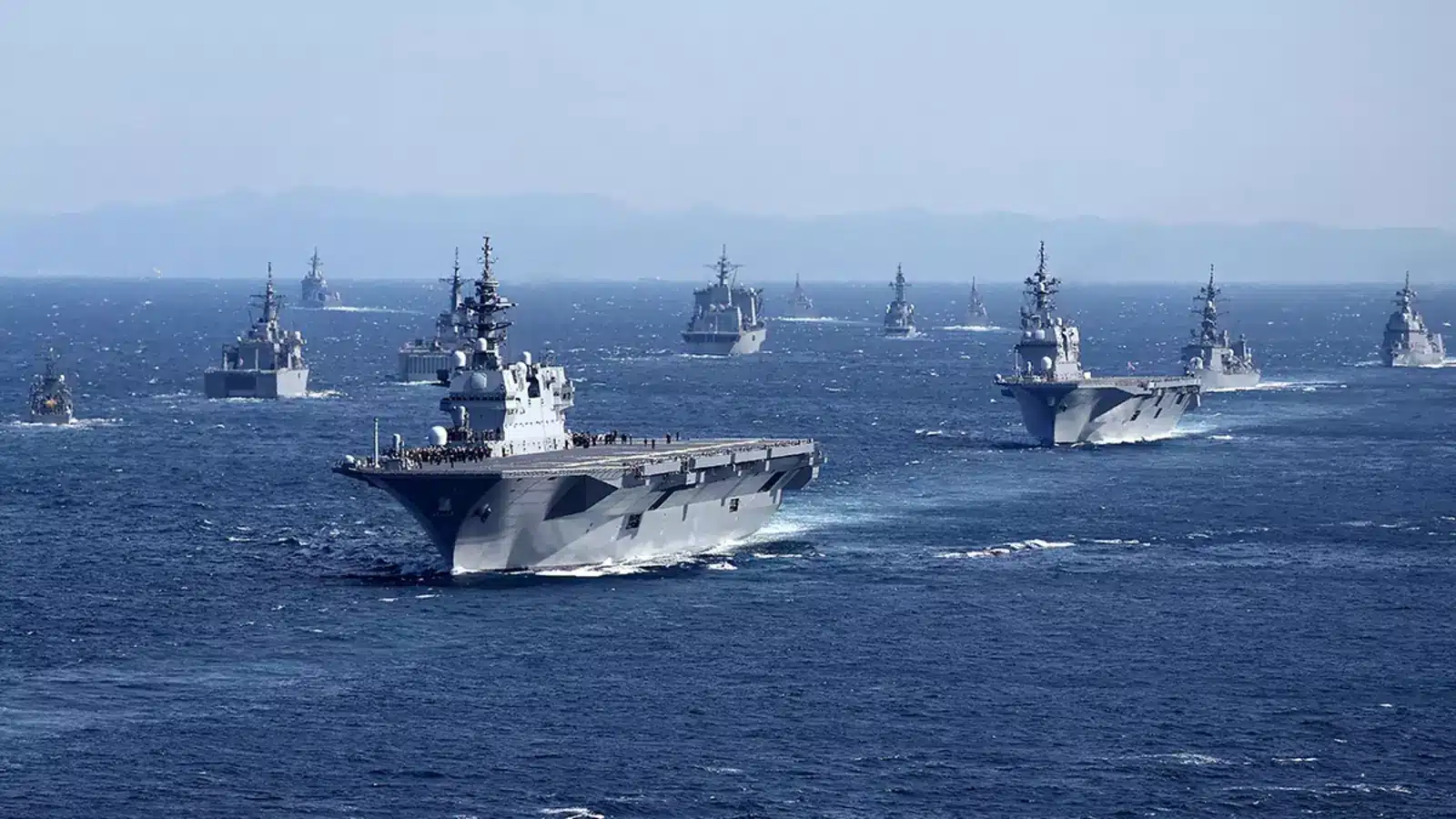
Beyond the expansion of military capabilities outlined in the spending plan, Japan has also been pursuing policy changes that could provide broader support for its military buildup. Japan’s ruling Liberal Democratic Party (LDP) recently claimed that the possibility of acquiring nuclear-powered submarines has not been ruled out from the outset as Japan prepares to revise its three security documents by the end of this year, the Asahi Shimbun reported on November 23.
Japan is also considering measures to strengthen its domestic defense industry and promote arms exports. The Japanese government is considering establishing a government-backed entity to purchase defense equipment from domestic manufacturers and sell it to overseas customers, the Yomiuri Shimbun reported on November 17.
Zhang said that, taken together, Japan’s moves suggest that its military buildup is becoming increasingly systematic. He also warned that such developments could increase military pressure on neighboring countries and fuel a regional arms race, raising the risks of miscalculation and confrontation.

Japan’s rapid push to revise the three security documents, boost military expenditure and develop offensive capabilities says a lot about its agenda to speed up remilitarization, Chinese Foreign Ministry spokesperson Guo Jiakun said on November 5, in response to a question about the Japanese government’s approval to update its three security documents in December.
Guo said that historically, Japanese militarists committed horrendous crimes and inflicted immense suffering on people in the Asia Pacific and beyond. The lessons are still fresh and must not be forgotten. Japan’s reckless remilitarization and repeated breach of its “exclusively defense-oriented” policy seriously threaten regional peace and stability, and challenge the postwar international order. The international community must stay on high alert and jointly push back against this dangerous tendency, he added.
Zhang Ruiqi contributed to the story

You may also like...





Random news










About us
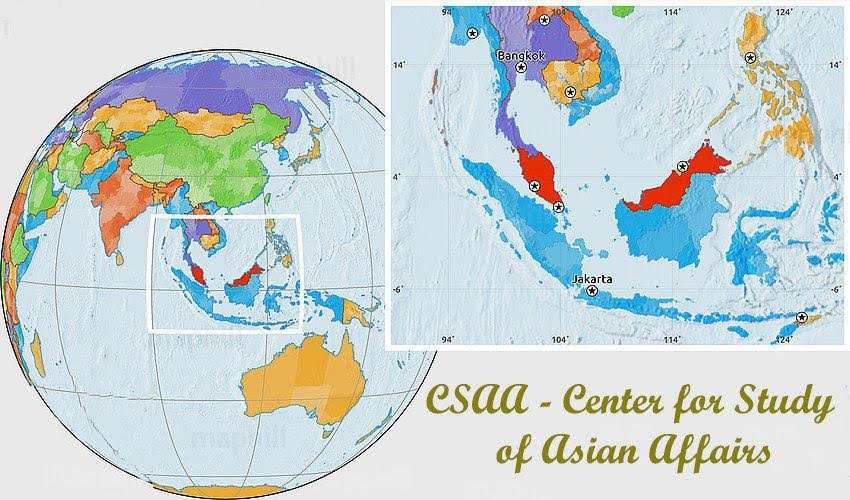
Our Newly established Center for study of Asian Affairs has
branches in Indonesia, Malaysia and Singapore, as well as freelances in some other countries.
For inquires, please contact: newsofasia.info@yahoo.com Mr.Mohd Zarif - Secretary of the Center and administer of the web-site www.newsofasia.net
Polls
 Loading ...