

China’s New Playbook in Central Asia
In photographs, the Gezhouba Cement Plant looks like a self-contained industrial island on the steppe. For nearby villagers, it became something else: a source of jobs and local prestige for some, but also of years of complaints about dust clouds and whether the state was quicker to defend a flagship Chinese-backed project than the people living beside it.
Projects like the plant in Shieli also help explain why views of China across Central Asia remain mixed. Beijing is seen as a source of trade, investment, and technology, but that promise is tempered in some places by concerns over transparency, environmental costs, and who really benefits when a project arrives.
China has become Central Asia’s dominant trading partner, but investment has not kept pace with the surge in commerce. The gap says a lot about how Beijing now works in the region: with a sharper focus on sectors that matter to its long-term influence.
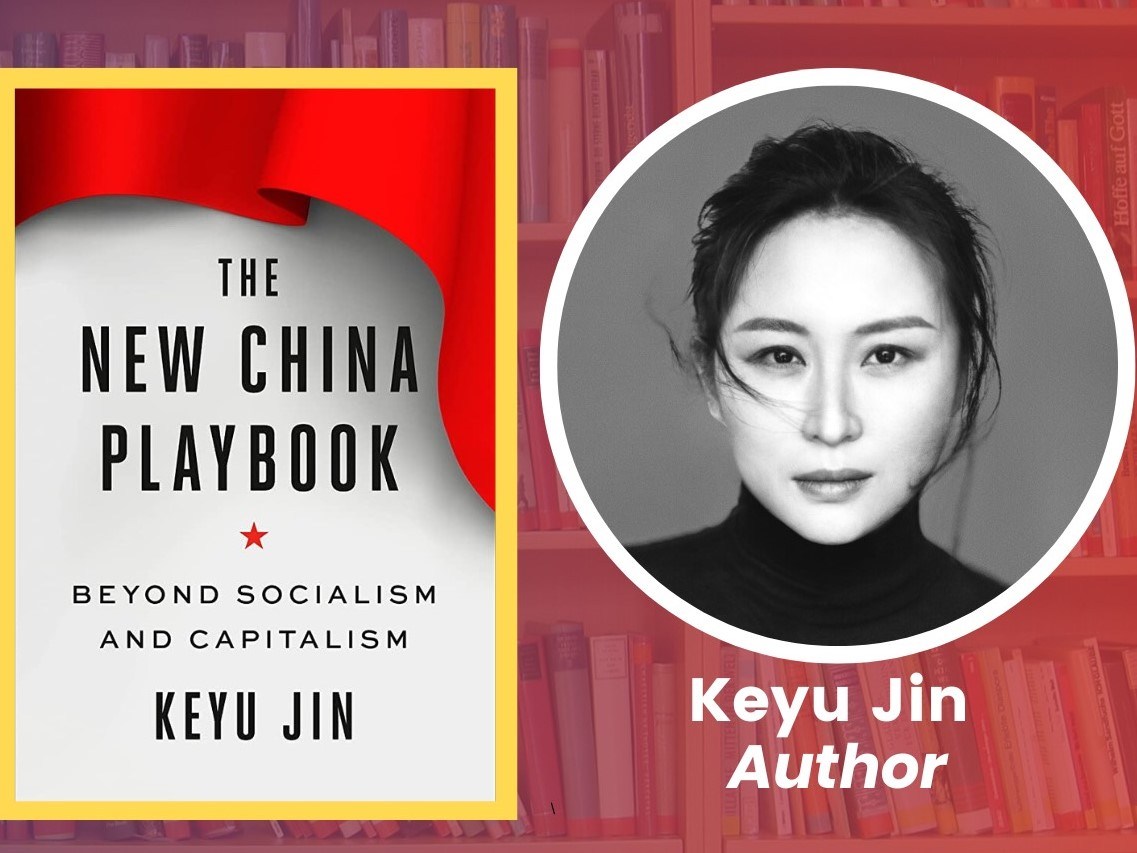
In 2025, trade in goods between China and the five Central Asian states reached $106.3 billion, up 12% year on year. Chinese exports to the region totaled $71.2 billion, while imports from Central Asia reached $35.1 billion. Trade has grown fast enough to reshape the region’s external balance, but long-term investment has been far more selective. Over 2005–2025, the five Central Asian states accounted for about 3% of China’s global overseas investment and construction total.
The picture changes once direct investment is separated from trade and construction contracts. China’s FDI stock in the five Central Asian states stood at about $36 billion by mid-2025. Roughly 90% was concentrated in Kazakhstan, Uzbekistan, and Turkmenistan. The structure of that capital has also changed. Extractive industries still accounted for 46% of the portfolio, but manufacturing and energy together made up more than one third, and greenfield projects rose from 43% to 60%. China has not poured money into Central Asia on the scale once implied by early Belt and Road rhetoric. Instead, it has invested in sectors that strengthen its industrial position.
Kazakhstan remains at the center of this relationship. It is China’s biggest commercial partner in Central Asia, and the main destination for Chinese capital in the region. Kazakhstan-China trade reached $43.8 billion in 2024. The country’s portfolio of projects with Chinese participation includes 224 ventures worth about $66.4 billion. Some are still at the planning stage, but the range of projects is telling. Recent developments have included a hydrogen energy technology innovation center in Almaty and a large wind farm with electricity storage. Kazakhstan still sells raw materials to China, but it also wants Chinese capital, technology, and industrial capacity at home.
Uzbekistan, meanwhile, has become the fastest-moving part of the regional story. Over the past decade, Chinese FDI in Uzbekistan grew by $10.4 billion, lifting the country’s share of China’s Central Asian investment portfolio from 1% to 16%. Bilateral trade has also kept rising, with both sides setting a target of $20 billion. As of January 1, 2026, Uzbekistan had 5,044 companies with Chinese capital. That figure had risen to 5,257 by March 16, 2026. Uzbekistan wants more factories, more processing, and more export-oriented production, and Chinese firms have become central to that push.
Kyrgyzstan and Tajikistan show a different pattern. Their economies are smaller and their bargaining power is weaker, but Chinese trade and investment are still deeply embedded in key sectors. In Kyrgyzstan, China held the largest share of foreign trade in 2025. Accumulated Chinese FDI in the Kyrgyz economy reached $2.1 billion at the end of 2025. In Tajikistan, the accumulated volume of Chinese investment had reached nearly $4 billion by early 2025, and about 70% of that total was direct capital. In both countries, Chinese money has gone into mining, infrastructure, energy, and border development. That gives Beijing more weight than the headline numbers suggest.
Turkmenistan remains a special case because gas still dominates the relationship. Chinese capital is present, and Turkmenistan is one of the three countries that make up about 90% of China’s Central Asian FDI stock. However, the commercial picture is much more concentrated than in Kazakhstan or Uzbekistan. Trade turnover between China and Turkmenistan reached $10.6 billion in 2024, up 11% from 2023, but this growth is still built chiefly on one commodity. That leaves Turkmenistan more exposed to a single-channel relationship than its neighbors to the east and north.
Trade and investment measure different kinds of power. Trade can rise quickly when Chinese goods are cheap, routes are open, and Central Asian markets need machinery, electronics, and consumer goods. Investment moves more slowly because it depends on politics, regulation, and returns. So even if Central Asia remains a modest part of China’s global capital map, parts of the region can still become deeply tied to Chinese demand, finance, equipment, and project delivery.
This is why the old Belt and Road image of limitless Chinese spending no longer fits. Beijing’s overseas capital has become more disciplined, and the region has become more demanding. Central Asian governments want local jobs, more processing at home, and projects tied to energy security, manufacturing, and transport resilience. China wants secure supplies, export markets, and reliable overland routes across Eurasia. The overlap is strong, but not unlimited. Kazakhstan and Uzbekistan are both deepening links with other partners at the same time, including Europe, the United States, and the Gulf states. They want Chinese capital, but not exclusivity. That multi-vector outlook is now central to the region’s economic policies.
In Central Asia, China’s presence can no longer be measured by the old Belt and Road spectacle. It is better read in the projects themselves: a cement plant on the edge of a village, a dry port at a border, a logistics complex taking shape outside Tashkent. The material footprint is real. It is just more focused, strategic, and more politically negotiated than the slogans once suggested.


- Previous Iran war: Japan struggles to halt fears over war-related price hikes, shortages
- Next Trump again criticizes the Pope Leo over Iran war stance
You may also like...


Random news

About us
Our Newly established Center for study of Asian Affairs has
branches in Indonesia, Malaysia and Singapore, as well as freelances in some other countries.
For inquires, please contact: newsofasia.info@yahoo.com Mr.Mohd Zarif - Secretary of the Center and administer of the web-site www.newsofasia.net
Polls
 Loading ...