

Iran talks with Oman over ‘permanent toll’ system for Hormuz
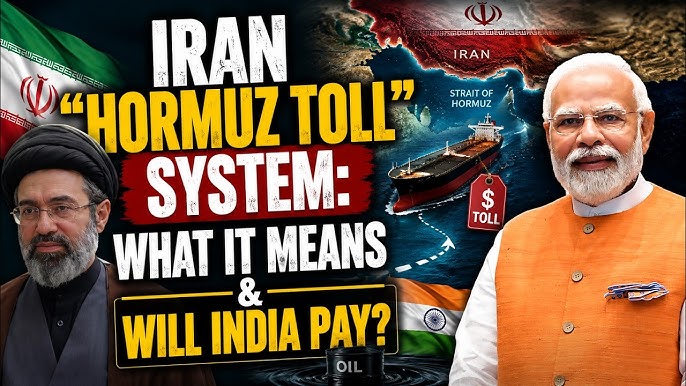
Iran announced it will take control of areas surrounding the UAE’s Fujairah Port, where the Emirates has routed its oil exports following the closure of the strategic waterway
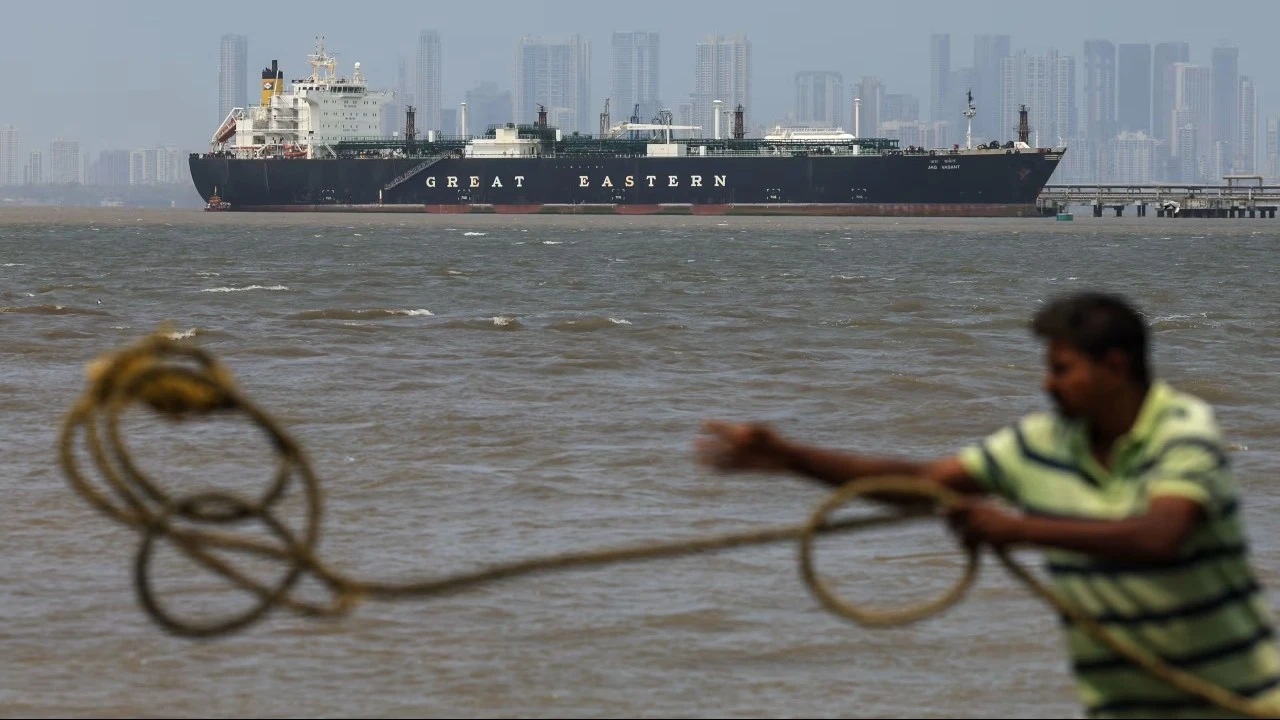 (Photo credit: DIVYAKANT SOLANKI/EPA/SHUTTERSTOCK)
Iran is in talks with Oman to establish a permanent toll system to formalize its control of maritime traffic through the Strait of Hormuz, Iranian officials announced on 20 May.
“Iran and Oman must mobilize all their resources both to provide security services and to manage navigation in the most appropriate manner,” stated Mohammad Amin-Nejad, the Iranian ambassador to France, in an interview with Bloomberg in Paris on Wednesday.
Iranian Foreign Ministry spokesperson Esmaeil Baghaei also announced the plan during an interview with state TV on Wednesday. He said Iran is seeking to establish a mechanism with Oman to ensure “sustainable security” in the strategic waterway, which Iran effectively closed after the US and Israel launched the war on the Islamic Republic on 28 February.
Baghaei said Iran was ready to develop protocols in cooperation with other Persian Gulf states to ensure the safety of shipping vessels transiting the strait.
The closure of Hormuz has caused the largest disruption to global energy supplies in history, as roughly 20 percent of global oil exports typically pass through the strait. The US responded by attempting to blockade Iranian ports and prevent it from exporting its oil, primarily to China.
Hostilities paused on 8 April after Washington and Tehran reached a ceasefire. But the impasse over Hormuz has persisted. The closure has caused major price spikes and shortages in commodities beyond oil, including fertilizer – a key input necessary for world food production.
On Wednesday, Iran’s newly established Persian Gulf Strait Authority (PGSA) outlined “the regulatory jurisdiction for the management” of the strategic waterway.
In a post on X, the PGSA claimed Iranian control of the waters between “The line connecting Kuh Mobarak in Iran and the south of Fujairah in the UAE in the east of the strait to the line connecting the end of Qeshm Island in Iran and Umm al-Qaiwain in the UAE in the west of the strait.”
“Transit through this area for the purpose of passing through the Hormuz Strait requires coordination with, and authorization from, the Persian Gulf Strait Authority,” the PGSA asserted.
If successful, Iran could assert control over UAE oil exports now being rerouted to Fujairah Port by pipeline to bypass Hormuz.
In response, Emirati presidential advisor Anwar Gargash condemned the Iranian announcement.
“The regime is trying to establish a new reality born from a clear military defeat, but attempts to control the Strait of Hormuz or infringe on the UAE’s maritime sovereignty are nothing but pipe dreams,” Gargash wrote on X on Thursday.
Last week, Iran said the UAE has played an active role in the US-Israeli war on the Islamic Republic.
Since the beginning of the war, the UAE has doubled down on its strategic relationship with Israel and lobbied fellow Gulf states, Saudi Arabia and Qatar, to carry out joint attacks on Iran.
Riyadh and Doha rejected Abu Dhabi’s request, preferring to de-escalate the war through Pakistani-mediated negotiations.

- Previous Malaysian Queen launches RMN Littoral Mission Ship Batch 2, Tunku Laksamana Abdul Jalil
- Next The New Tool of Asymmetric War of Beijing: Chinese militia using fishing boats to form ‘walls’ at sea
You may also like...



Random news

About us
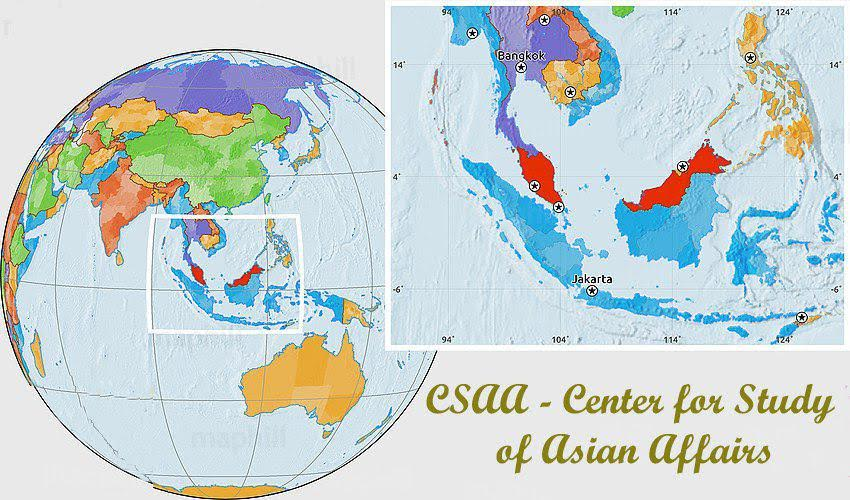
Our Newly established Center for study of Asian Affairs has
branches in Indonesia, Malaysia and Singapore, as well as freelances in some other countries.
For inquires, please contact: newsofasia.info@yahoo.com Mr.Mohd Zarif - Secretary of the Center and administer of the web-site www.newsofasia.net
Polls
 Loading ...