

Taiwan Deploys US Attack Drones Against Chinese Maritime Targets
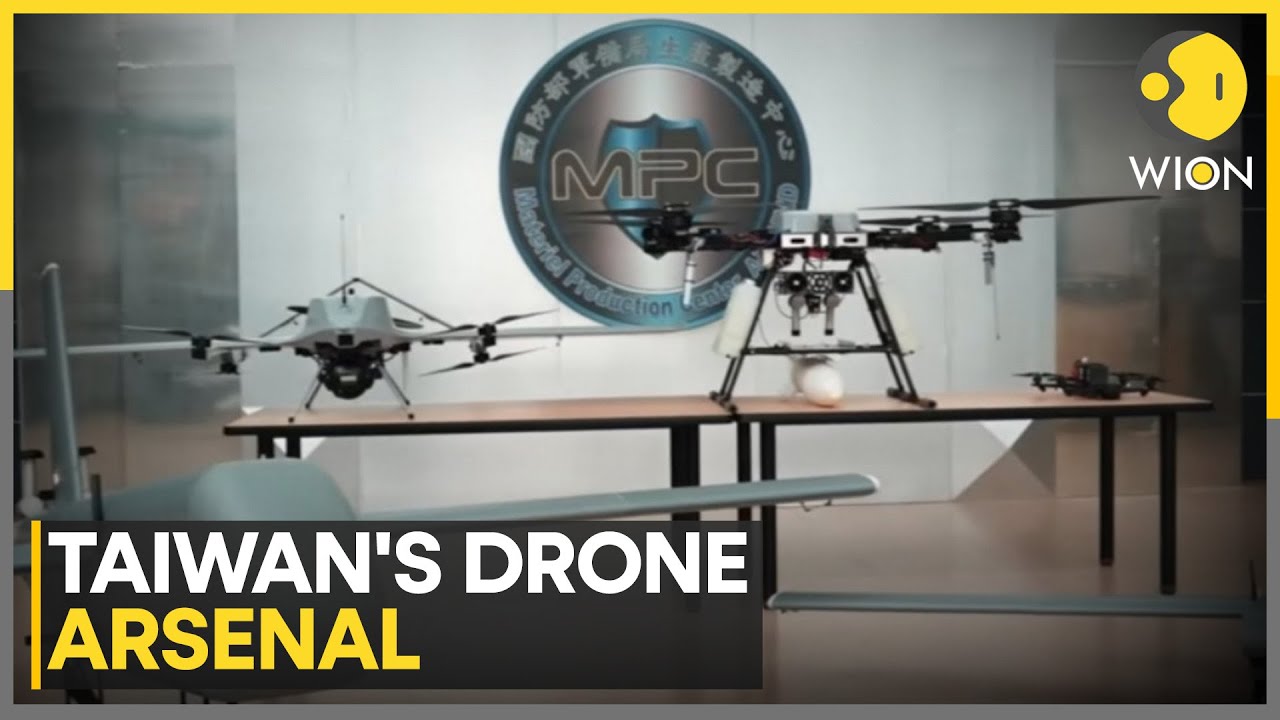


Taiwan’s newly acquired American attack drones struck maritime targets for the first time last week along the island’s west coast during live-fire drills designed to validate long-range strike systems that would play a crucial role in a potential invasion of the self-governing island.
According to Taiwanese military media, the drones successfully struck their offshore targets following a simulated engagement loop where troops rehearsed detecting and identifying the threat. At least three towed flatbed launchers equipped with four Altius drones each were deployed for the exercise.
The Republic of China Army received around 2,000 Altius-600 loitering munitions from American defense firm Anduril Industries in recent years to bolster its anti-invasion capabilities.
With a warhead that weighs nine pounds and can strike targets out to 99 miles, the loitering munitions’ portability and mass deployment can pose a threat to forces coming toward a landing site on final approach. Their range also covers a gap between Taiwan’s long-range anti-ship missiles and short-range artillery systems.
Last week’s drills include these missile and artillery assets, including Thunderbolt-2000 Multiple Launch Rocket Systems, M109 self-propelled guns and anti-tank missiles. In previous years, Taiwanese troops primarily relied on these legacy systems and tactics during exercises against a Chinese invasion. However, with the modernization of the People’s Liberation Army’s amphibious, missile and naval forces, Taiwan has been shifting towards what it describes as asymmetric capabilities.
Lessons from Ukraine have influenced Taiwan’s investments into drones, anti-ship missiles and mobile launchers. The Taiwanese Ministry of National Defense’s 2025 defense report cited Kyiv’s experiences in sections justifying plans to expand Taipei’s drone inventory to deter and defeat a potential Chinese invasion.
Taiwanese Marines deployed their own domestically-made loitering munitions to also strike maritime targets in separate drills earlier this year ahead of a planned activation of a specialized formation. Dubbed the Littoral Combat Command, the unit will combine Marines, Navy missile brigades and fast attack craft to defeat maritime threats closing within 24 nautical miles of Taiwan. Drones will also play a crucial part to support maritime domain awareness and other maritime strike capabilities within the formation. Taipei plans to activate the command next month.


Taiwan’s demonstration and tests of American-made drones in countering maritime targets is the latest to occur along the first island chain in recent months, as Washington’s partners eye unmanned mass as a solution to Beijing’s large forces.
Last month saw U.S. forces field one-way attack drones against targets representing Chinese amphibious vehicles off the shores of the Philippines during Balikatan 2026. Meanwhile, Japan is developing a national drone system focused on defeating any attacks on its southwestern islands. U.S. Indo-Pacific Command chief Adm. Samuel Paparo and Defense Secretary Pete Hegseth have advocated for unmanned deployments along the first island chain to deter China.

- Previous An Uzbekistan’s ancient Silk Road city of Khiva preserves centuries of Central Asian heritage
- Next Chinese Official Newspaper Mocking: Belgian PM is not ‘afraid of China,’ but afraid of taking responsibility
You may also like...






Random news













About us
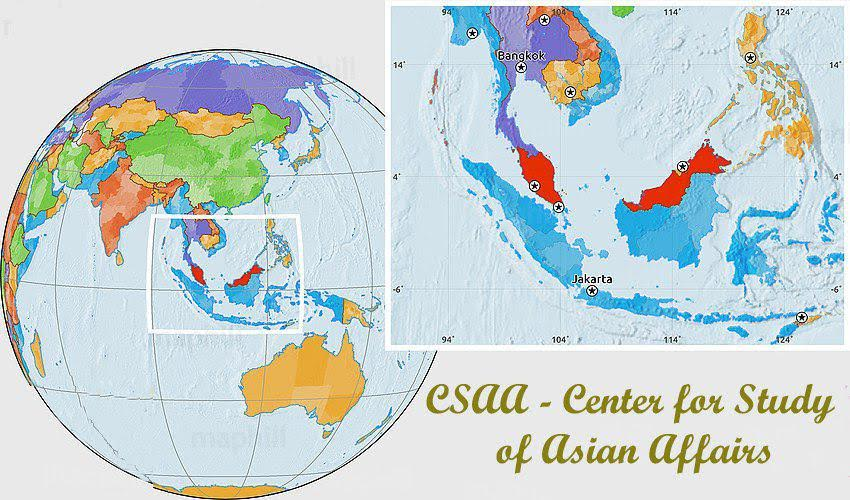
Our Newly established Center for study of Asian Affairs has
branches in Indonesia, Malaysia and Singapore, as well as freelances in some other countries.
For inquires, please contact: newsofasia.info@yahoo.com Mr.Mohd Zarif - Secretary of the Center and administer of the web-site www.newsofasia.net
Polls
 Loading ...