

Demand for Japanese cuisine on rise and expands exports to Malaysia
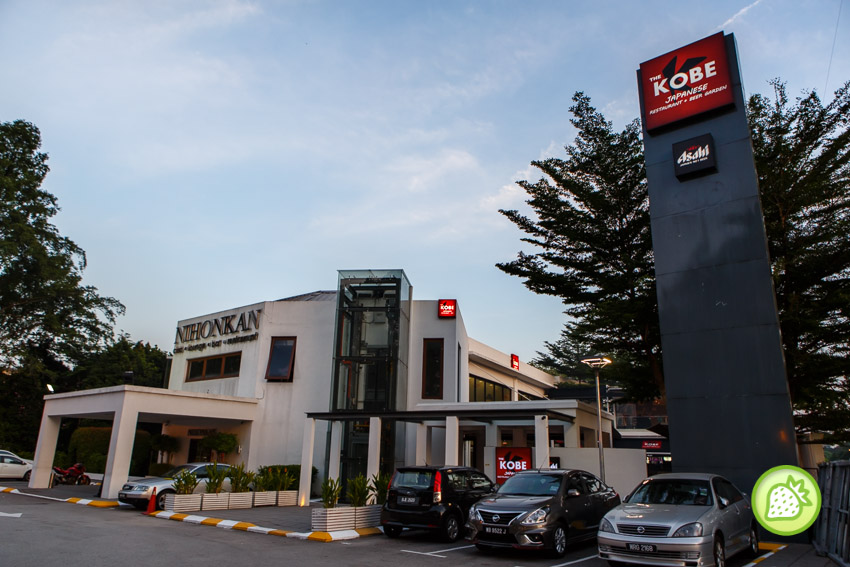


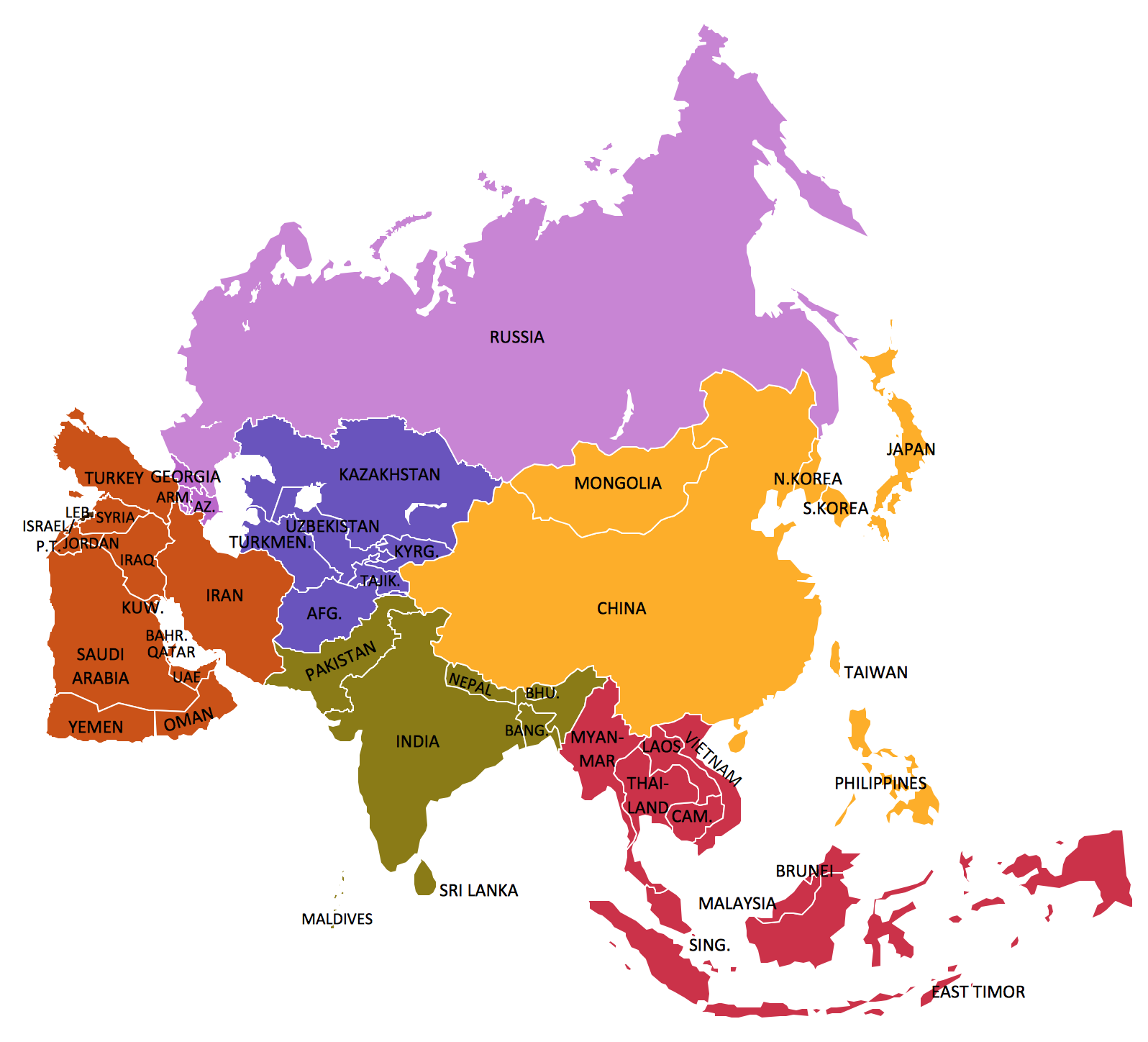
KUALA LUMPUR: The warm reception to Japan’s cuisine will boost its agricultural and seafood exports to Malaysia, said Japan External Trade Organisation (Jetro) Kuala Lumpur managing director Koichi Takano.
“Malaysia now ranks 10th among all export destinations for Japanese agricultural, forestry, fishery and food products, up from 13th place previously.
“This underscores Malaysia’s growing importance as a key market for Japan in Southeast Asia and reflects the continued growth in demand for Japanese food products among Malaysian consumers and businesses,” he said at the Japanese Cuisine Lecture Series organised by Jetro recently at Taylor’s University.
He said awareness of washoku, or traditional Japanese cuisine — which is inscribed on the United Nations Educational, Scientific and Cultural Organisation’s Representative List of the Intangible Cultural Heritage of Humanity in 2013 — has also boosted demand.
Takano noted that statistics from Japan’s Agriculture, Forestry and Fisheries Ministry showed that the country’s agricultural, forestry, fishery and food exports to Malaysia had reached 29.1 billion yen last year, a 26.3 per cent increase year-on-year compared with 2024.
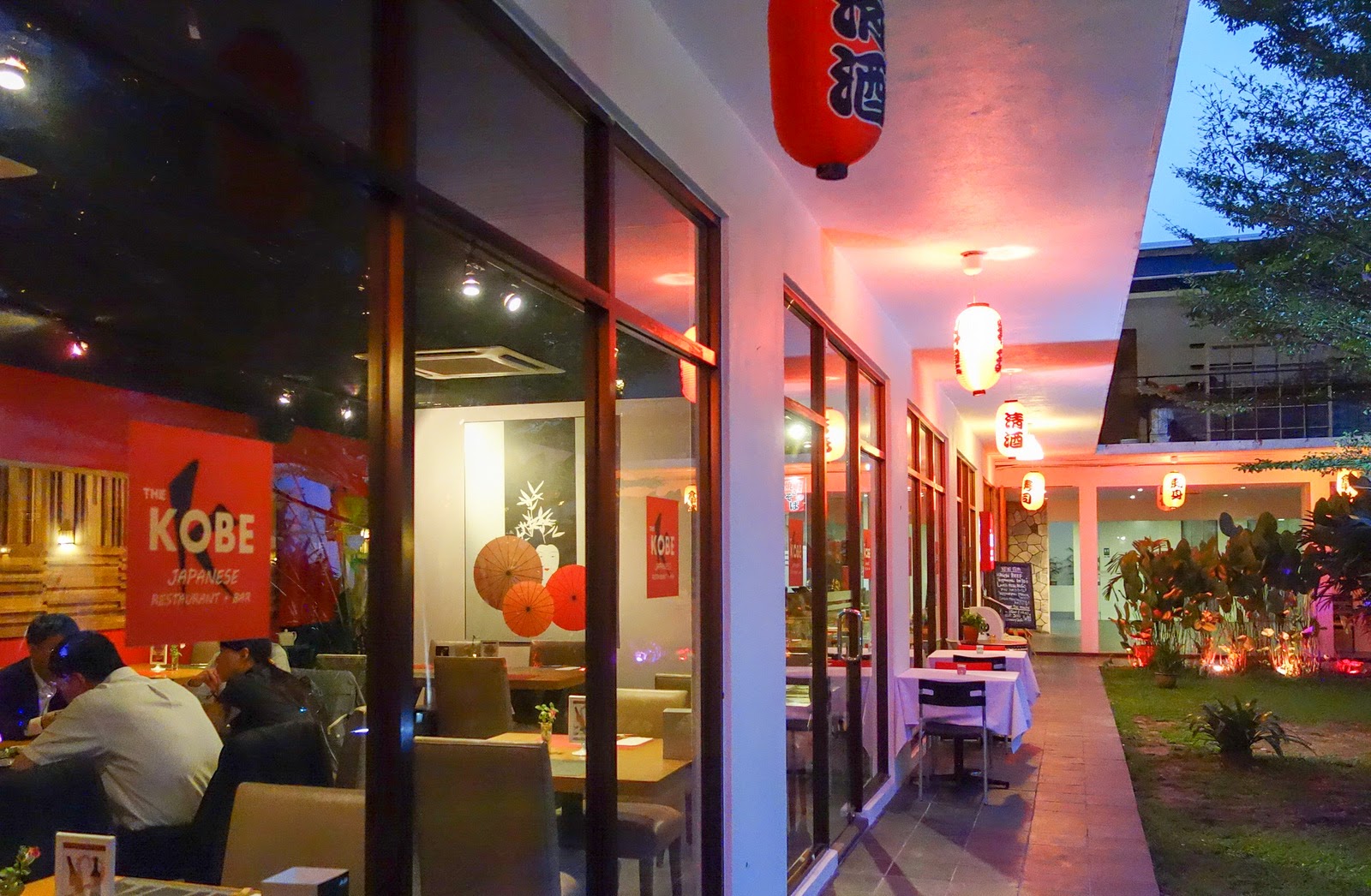

“The increase in Japanese restaurants globally demonstrates that Japanese cuisine has become well established internationally.”
Across the Asean region, he said, Malaysia has strong potential as a gateway for the expansion of Japanese food culture and products.
“It is a multiracial, multicultural market that is well accustomed to diverse culinary traditions and international food offerings.”
Takano outlined a successful Malaysian model that integrates human resource development, product innovation, halal readiness and efficient distribution networks that could serve as a valuable framework for promoting Japanese cuisine and food products across Asean and other Muslim-majority markets.
“The overall outlook remains positive and we expect more Japanese companies to establish food service businesses and operations in the coming years,” he said.

- Previous Ukraine drones hit Bulgaria! After Poland, Romania, Turley, Latvia and etc.
- Next 500 K+ bikers in South Dakota: World’s largest motorcycle rally roars into Sturgis as bikers flood tiny US town
You may also like...




Random news











About us
Our Newly established Center for study of Asian Affairs has
branches in Indonesia, Malaysia and Singapore, as well as freelances in some other countries.
For inquires, please contact: newsofasia.info@yahoo.com Mr.Mohd Zarif - Secretary of the Center and administer of the web-site www.newsofasia.net
Polls
 Loading ...