

Indian Media: Ditched by Pakistan, Saudi Arabia rushes to Israel for help to fight Houthis
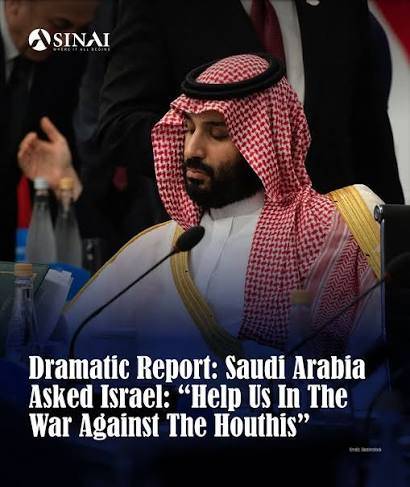
The Houthi blitz along Yemen’s Red Sea coast has left Saudi Arabia scrambling for options. The kingdom’s Mecca Alliance partner Pakistan has reportedly refused to fight on foreign soil, while the US and the UK have ruled out direct strikes. Riyadh is now having to approach Israel, a country it does not even recognise as an independent nation.
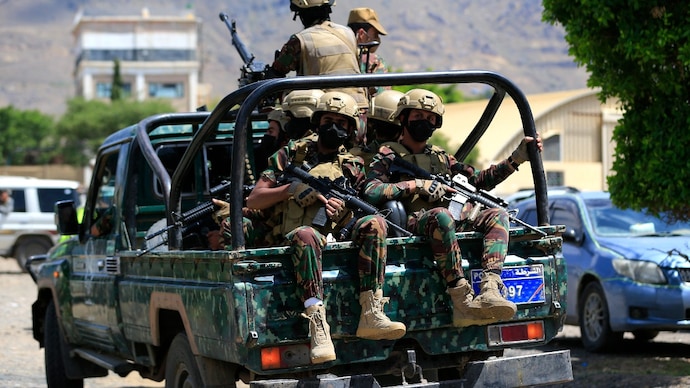
The oil-rich Gulf nation of Saudi Arabia is facing a massive crisis after Houthi militants seized much of Yemen’s Red Sea coast and the Bab el-Mandeb Strait last week. With Saudi allies, most notably Mecca Pact partner Pakistan, reportedly refusing to intervene in the Yemeni crisis, Riyadh has turned to Israel, a country it does not even recognise as an independent nation.
According to a report in the Tel Aviv-based daily, The Jerusalem Post, Israel and Saudi Arabia held talks mediated by the US Central Command (Centcom) aimed at helping Riyadh defend itself against the Houthi military through intelligence assistance.
The newspaper, Israel Hayom, separately reported that Saudi crown prince Mohammed bin Salman (MBS) had appealed for assistance against the Houthi offensive from other Gulf states and Egypt.
According to the Hayom, Israel was approached indirectly by MBS, who is also the prime minister of Saudi Arabia, via the US Centcom, with requests for intelligence assistance regarding threats to the Bab el-Mandeb Strait.

Saudi Arabia does not recognise Israel as an independent nation, and does not maintain diplomatic ties with Jerusalem. Yet, its outreach to Israel, even if indirect, demonstrates the scale of the crisis Riyadh has found itself in Yemen.
Furthermore, Riyadh’s appeals have largely fallen on deaf ears. The US and the UK have ruled out direct strikes on Ansar Allah militants in Yemen, and have instead offered intelligence assistance and military advisors respectively.
More importantly, Pakistan, which is part of the Mecca Defence Alliance with Saudi Arabia and Turkey, has reportedly ruled out the deployment of Pakistani assets to fight the Houthis in Yemen. Islamabad has instead made it clear that its forces could be deployed to defend Saudi territory, while drawing a red line against participating in combat operations on foreign soil.
WHY IS SAUDI ARABIA IN A STATE OF CRISIS?
After weeks of firing the odd drone and missile at Saudi energy infrastructure, Ansar Allah militants last week launched a surprise offensive in Yemen that swept away all opposition from the Saudi-backed National Resistance Front.
The Houthi blitz gave the militia control of the Red Sea coast as well as islands in the Bab el-Mandeb Strait. Following this, Houthi leaders announced that the blockade against Saudi shipping, in force since July, would continue to be enforced, while ships of other nations, including the US, would be allowed to transit freely.
The closure of the Gate of Tears, which allowed Riyadh to bypass any Iranian blockade of the Strait of Hormuz, combined with attacks on the kingdom’s vast pipeline network, means Saudi Arabia now faces a situation in which its ability to export oil could be severely degraded, if not halted altogether.
Israel, which has reportedly been approached by Saudi Arabia, has faced a similar threat before. In late 2023, the Houthis began targeting Israeli-linked ships in the Red Sea following the outbreak of the Gaza war.
That said, any Israeli assistance to Riyadh is likely to be limited to intelligence sharing. Hayom newspaper cited concerns over potential Houthi rocket attacks on Israeli cities, as well as the economic fallout of another blockade disrupting Red Sea shipping.
Haaretz, meanwhile, reported that Israeli Defence Forces (IDF) officials had recommended that any Israeli action against Ansar Allah in response to the group’s Red Sea blitz be undertaken as part of a “broad international and regional coalition”, rather than by Israel alone.

- Previous Was upcoming coup prevented in Kyrgyzstan: Ex-Security Chief Tashiyev’s Conviction but Changes Charge
- Next India responds to Bangladesh over Tarique Rahman visit: We sent him two invitations
You may also like...





Random news








About us
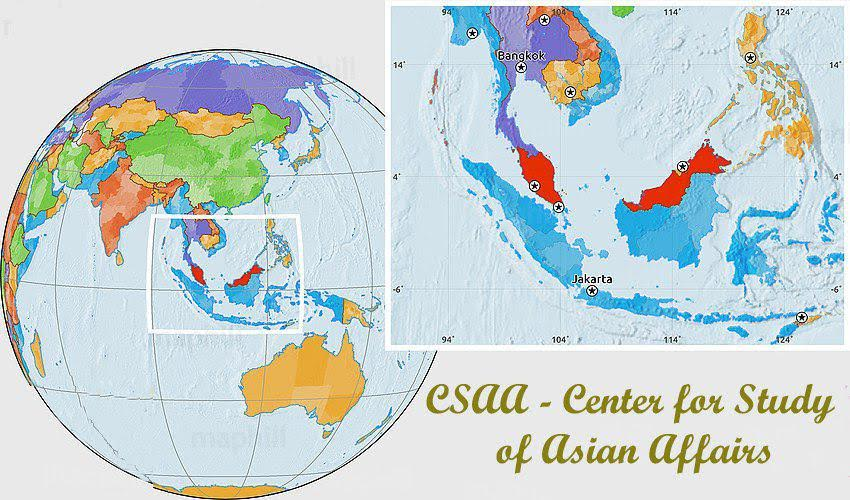
Our Newly established Center for study of Asian Affairs has
branches in Indonesia, Malaysia and Singapore, as well as freelances in some other countries.
For inquires, please contact: newsofasia.info@yahoo.com Mr.Mohd Zarif - Secretary of the Center and administer of the web-site www.newsofasia.net
Polls
 Loading ...