

Kim Jong Un tests missiles with cluster warheads
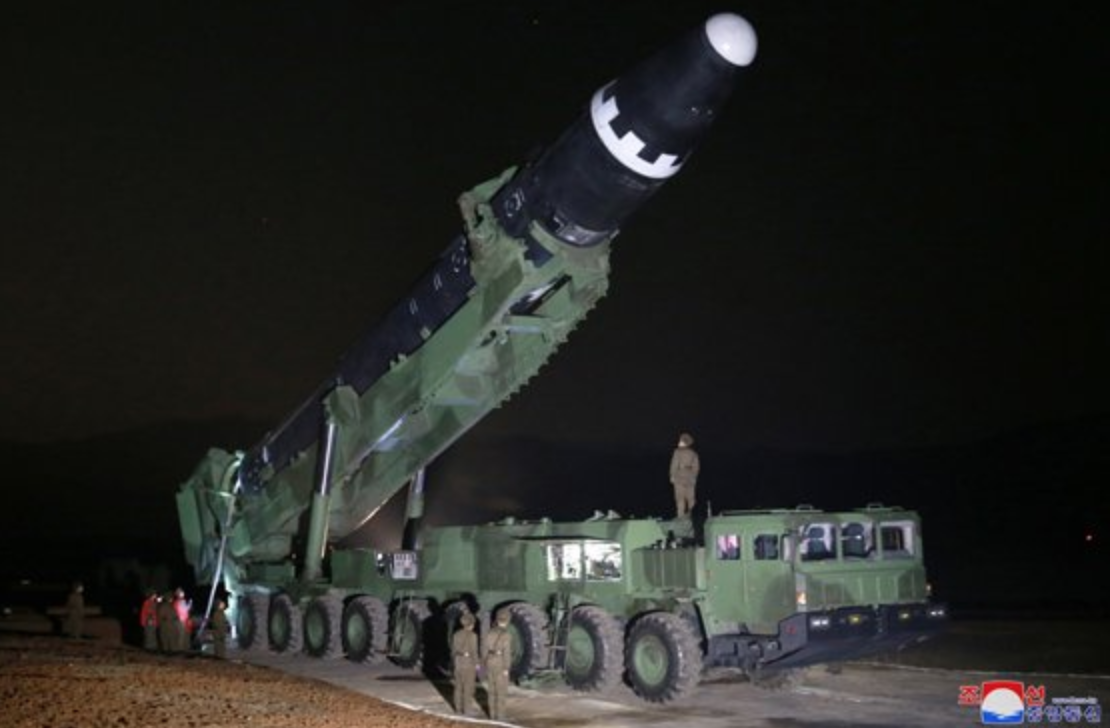
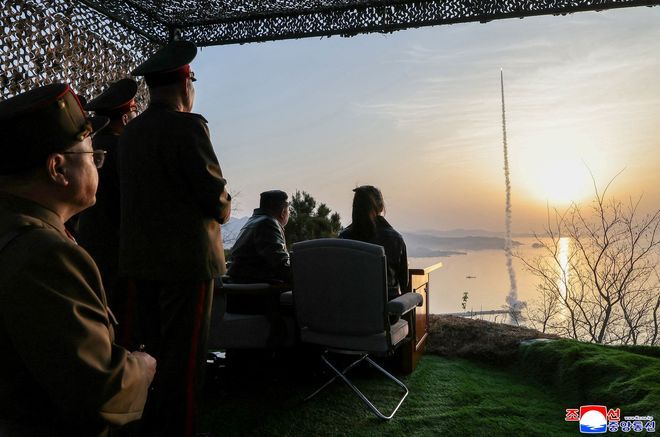 North Korean leader Kim Jong Un, accompanied by his daughter Kim Ju Ae, oversees test launches of the upgraded Hwasong-11LA ground-to-ground tactical short-range ballistic missile at an undisclosed location in North Korea on April 19 in this picture released on April 20 by North Korea’s official Korean Central News Agency. (KCNA via Reuters)
SEOUL–North Korean leader Kim Jong Un oversaw Sunday’s ballistic missile test launches as part of efforts to evaluate the performance of warheads carrying cluster bombs and fragmentation mines, state media KCNA reported on Monday.
The tests represented the fourth ballistic missile launch this month and the seventh this year, as North Korea seeks to build its missile and nuclear capabilities in defiance of U.N. Security Council resolutions. The tests involved five launches of upgraded short-range Hwasong-11 Ra surface-to-surface tactical ballistic missiles to evaluate the power and performance of the new warheads, KCNA said.
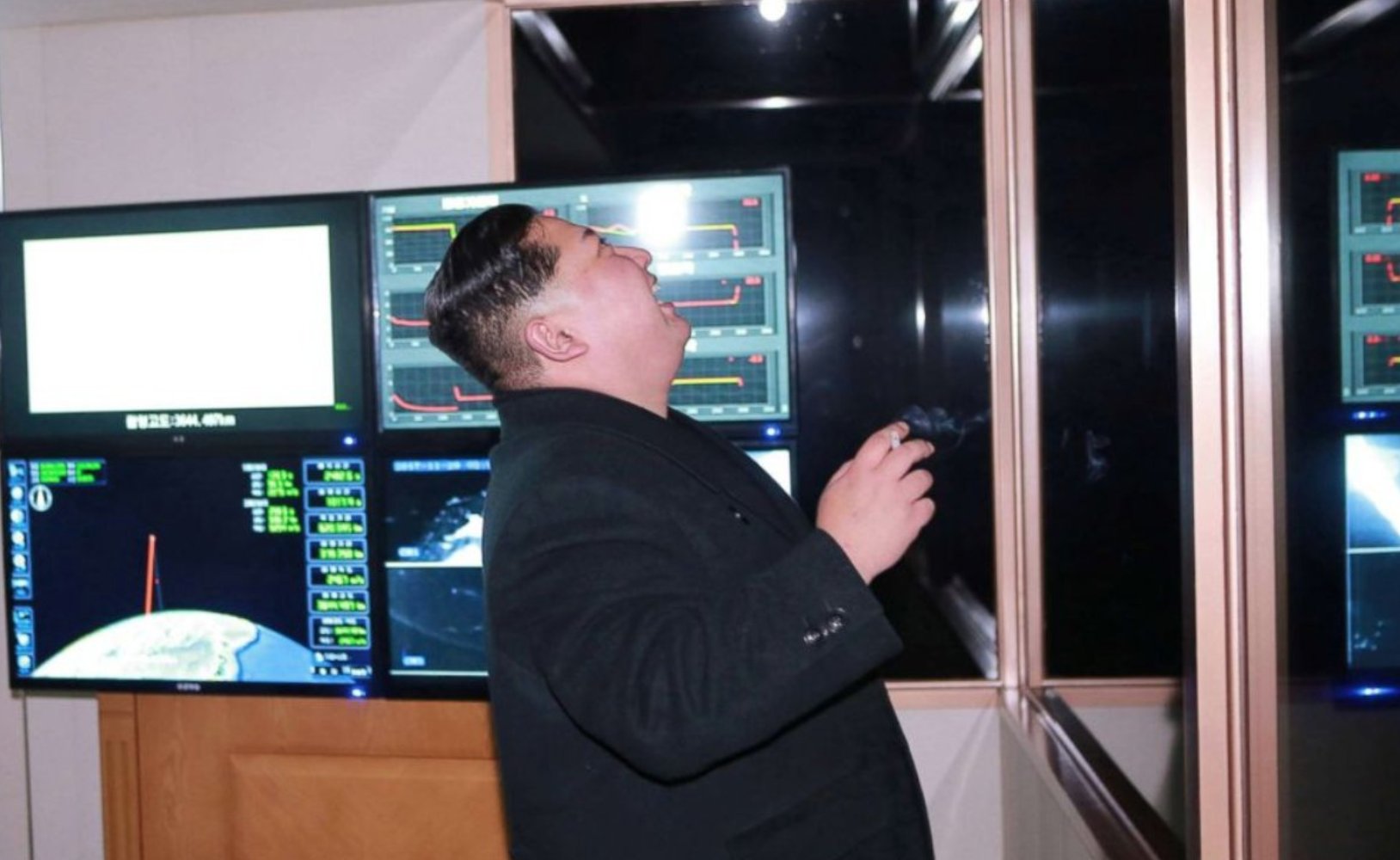
North Korea fired the missiles toward an island target zone about 136 km (85 miles) away, striking an area of roughly 12.5 to 13 hectares (31 to 32 acres) with what the report described as high density, demonstrating the system’s capability for concentrated suppression strikes.
South Korea on Sunday said North Korea fired the missiles from near the city of Sinpo on its east coast toward the sea at around 6:10 a.m. (2110 GMT on Saturday), with the presidential Blue House urging Pyongyang to stop such “provocations.”
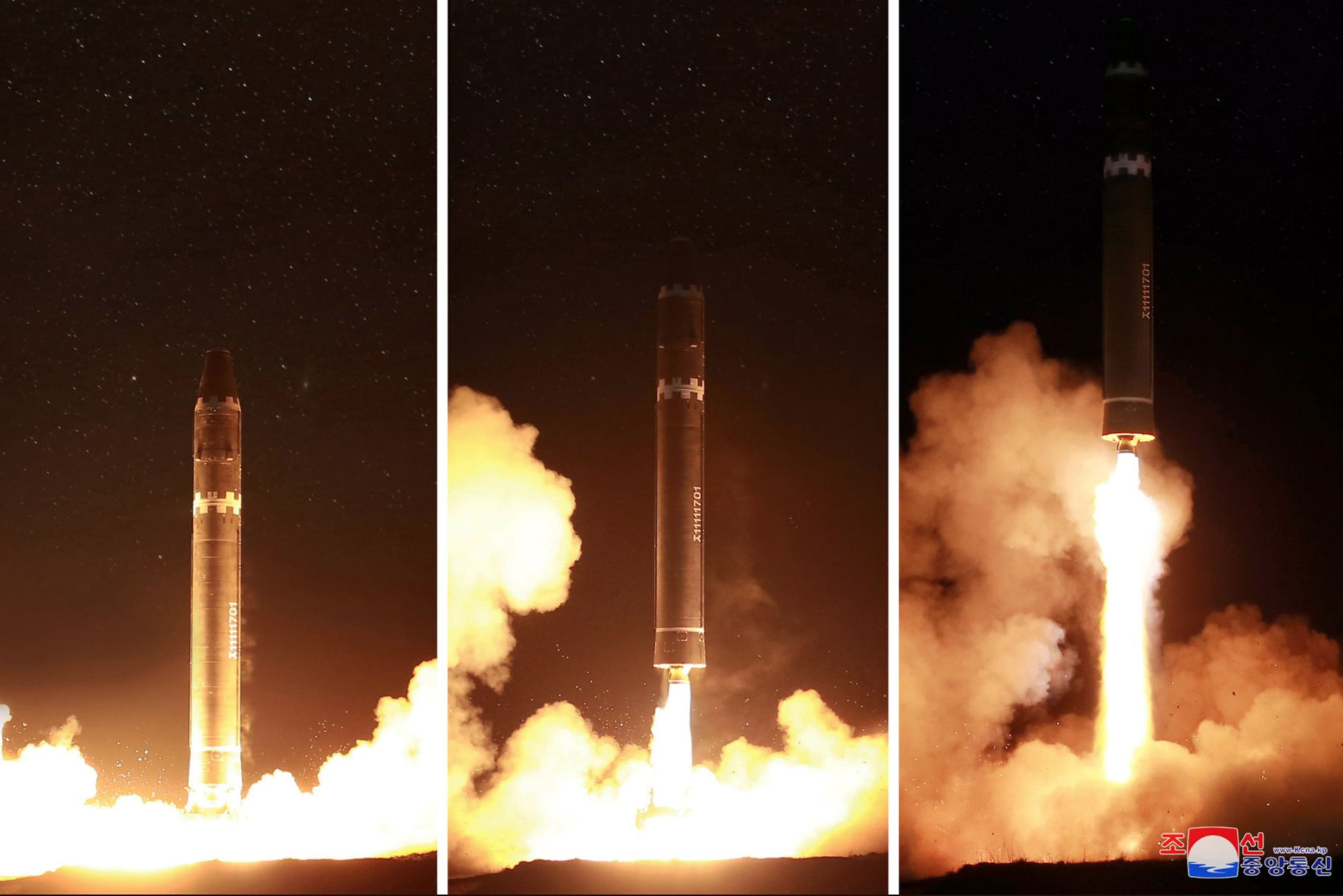
KCNA said Kim expressed satisfaction with the test results, calling them proof that years of work by a specialized missile warhead research group had not been in vain, and urged defense scientists to continue advancing technologies needed to strengthen the military’s combat readiness.
Images released by KCNA showed Kim and his daughter, believed to be named Ju Ae, watching the launches surrounded by several military officials. It is the latest occasion that Ju Ae has joined her father to witness weapons tests, increasing speculation that she is being positioned as Kim’s successor.
Earlier this month, North Korea tested a new cluster-bomb warhead on a ballistic missile and an electromagnetic weapon, in a move that analysts said was part of efforts by Pyongyang to showcase its capacity to fight a modern war.
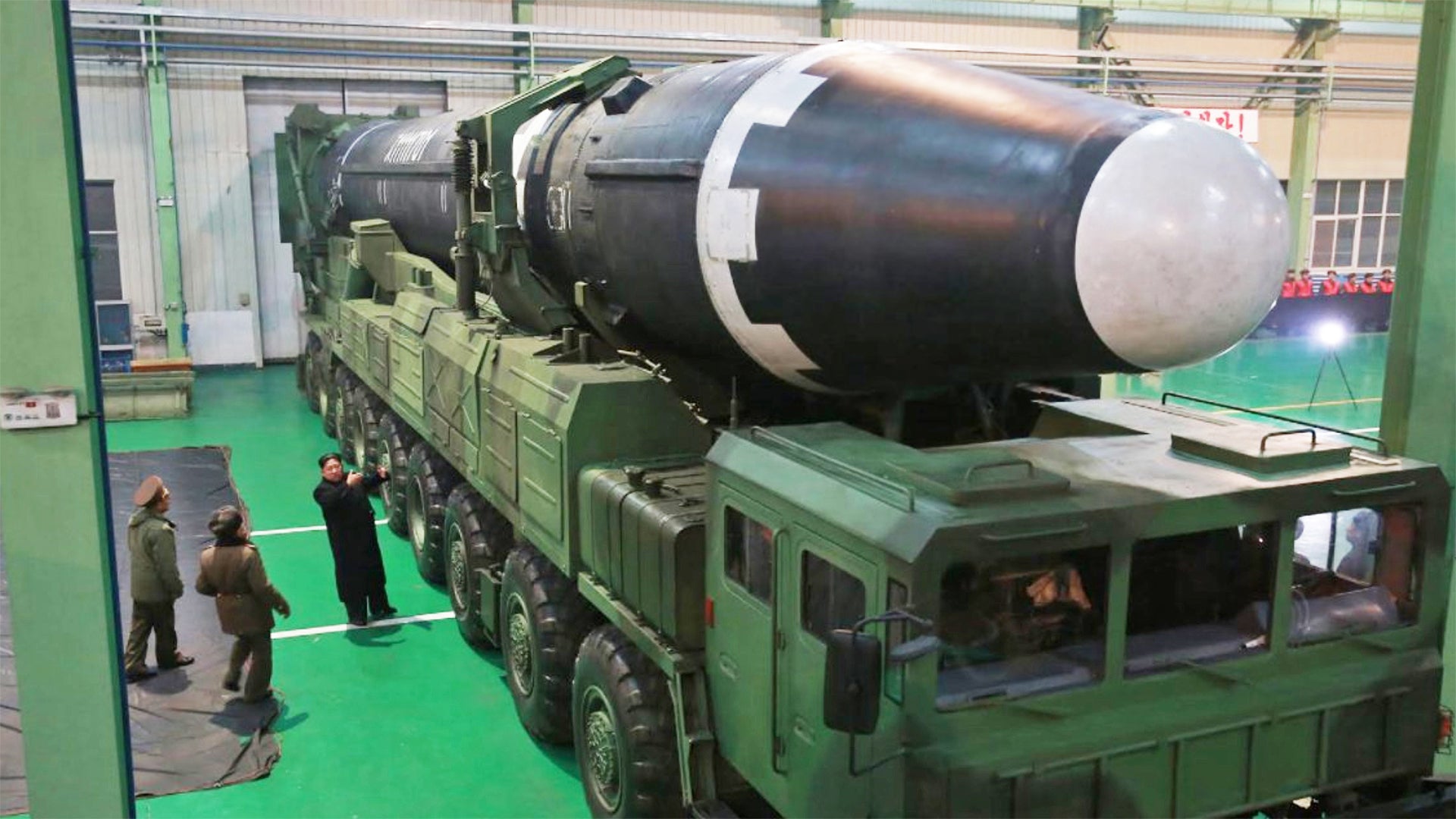
Lim Eul-chul, a professor at Kyungnam University, said the test showed Pyongyang’s intent to strike “more precisely, across a wider area and with far greater lethality,” warning that if the missiles are deployed closer to the front line, it could put Seoul and key South Korean and U.S. military bases within range.
The seven-week-old U.S.-Israeli conflict against Iran, which aims to curb Tehran’s nuclear and missile program, may also have reinforced Pyongyang’s own ambitions in this area, experts and former South Korean officials said. In late March, Kim said Pyongyang’s status as a nuclear-armed state was irreversible and expanding a “self-defensive nuclear deterrent” was essential to national security.

- Previous In India, politician with name – Stalin advocates for Tamils and Federalism
- Next Australia to buy 3 Mogami frigates ordered first for $6.5 bn
You may also like...



Random news








About us
Our Newly established Center for study of Asian Affairs has
branches in Indonesia, Malaysia and Singapore, as well as freelances in some other countries.
For inquires, please contact: newsofasia.info@yahoo.com Mr.Mohd Zarif - Secretary of the Center and administer of the web-site www.newsofasia.net
Polls
 Loading ...