

North Korea tests submarine-launched missiles
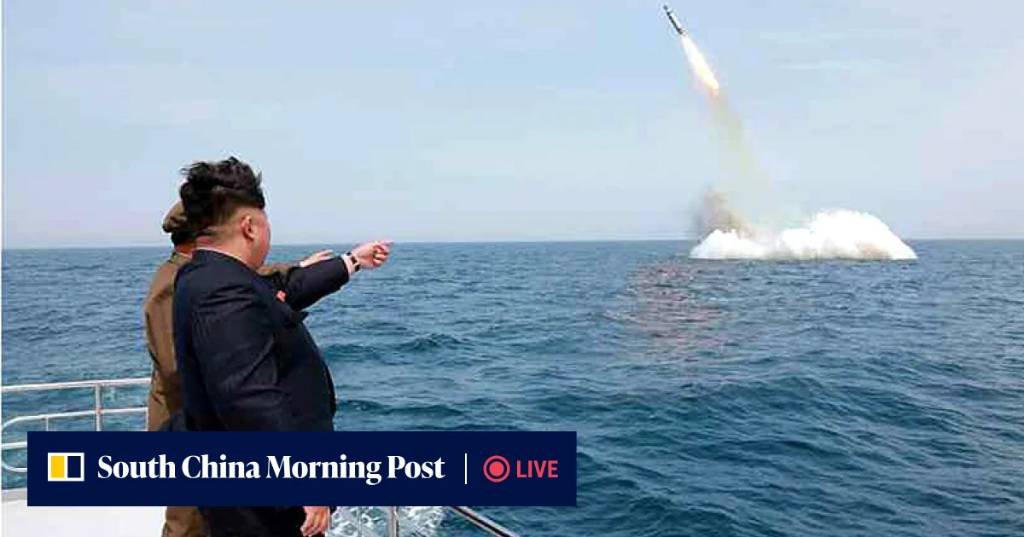

- North Korea has test-fired two types of submarine-launched strategic cruise missiles into the East Sea, as confirmed by state news agency KCNA, amid escalating tensions following a landmine explosion in the Demilitarized Zone that injured three South Korean soldiers.
- The recent tests aimed to assess the underwater combat systems and demonstrated the reliability of North Korea’s defense capabilities.
- This event is part of a broader exchange of missile tests between North and South Korea, with each country showcasing advancements in missile technology, including North Korea’s emphasis on developing sea-based launch capabilities.
- The ongoing military developments underscore the enduring technical state of war between the two nations, with both sides enhancing their strategic deterrence postures.
The agency said the missiles were fired Wednesday into the East Sea, also known as the Sea of Japan, without “any adverse impact on the security of neighboring countries”.
The reported launch came after weeks of mounting friction over a landmine explosion along the heavily fortified border between North and South Korea.
Three South Korean soldiers were injured in the September 21 blast in the Seoul-controlled area of the Demilitarised Zone (DMZ), with both countries testing upgraded missile technology in the aftermath.
The latest testing “aimed to examine the current mobilized posture of the underwater combat systems” and served as a Navy training exercise, KCNA said.
Photos released by KCNA showed one missile blasting vertically out of the sea trailed by a thick plume of smoke. Another photo appeared to show a projectile erupting from the water at a 45-degree angle.
Other images showed a missile flying horizontally over the sea, as well as a submarine traveling on the water’s surface.
North Korea has carried out several missile launches from submarines in recent years, although its sea-based launch capabilities remain unclear.
Cruise missiles tend to be jet-propelled and fly at a lower altitude than more sophisticated ballistic missiles, making them harder to detect and intercept.
Proven submarine-launched ballistic missile capability would take North Korea’s arsenal to a new level, allowing deployment far beyond the Korean peninsula and a second-strike capability in the event of an attack.
North Korea has carried out multiple ballistic missile tests in October, most recently on Monday.
The two Koreas have engaged in a tit-for-tat series of missile tests this month, with both sides test-firing hypersonic weapons.
South Korea test-fired its first homegrown hypersonic missile last week, days after Pyongyang said it had launched an AI-assisted intermediate-range hypersonic missile.
Seoul and Pyongyang remain technically at war as the Korean conflict ended in 1953 with a truce rather than a peace treaty.

- Previous Major logistics line locked up: Two Singapore-registered ships hit by projectiles in Strait of Hormuz, one sinks
- Next Malaysia: choking haze from Indonesia sweeps Malay peninsula: 34 stations unhealthy, zero stations record good air
You may also like...






Random news













About us
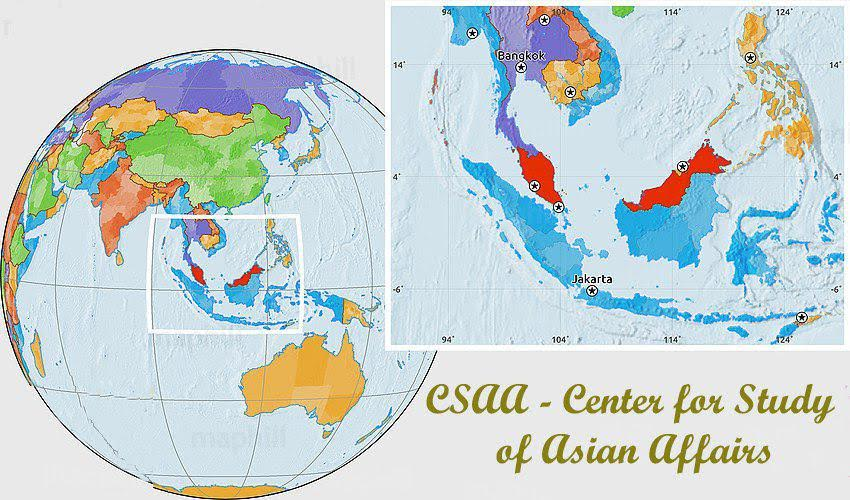
Our Newly established Center for study of Asian Affairs has
branches in Indonesia, Malaysia and Singapore, as well as freelances in some other countries.
For inquires, please contact: newsofasia.info@yahoo.com Mr.Mohd Zarif - Secretary of the Center and administer of the web-site www.newsofasia.net
Polls
 Loading ...