

Tajik Rogun – is a long-term source regional conflcts tensions and threat of stability in Central Asia
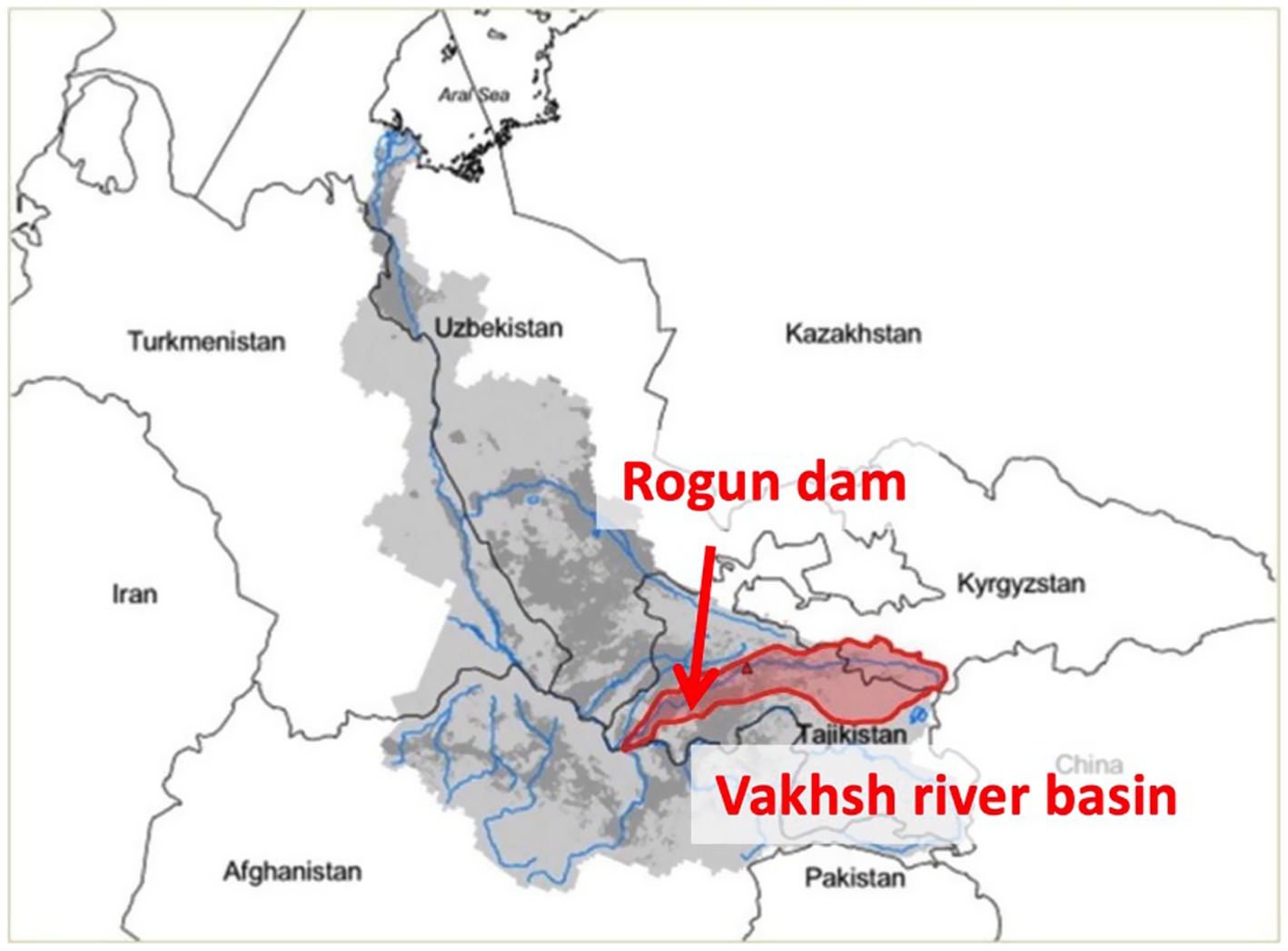
Rogun Dam’s Cross-Border Environmental Impact Draws Scrutiny
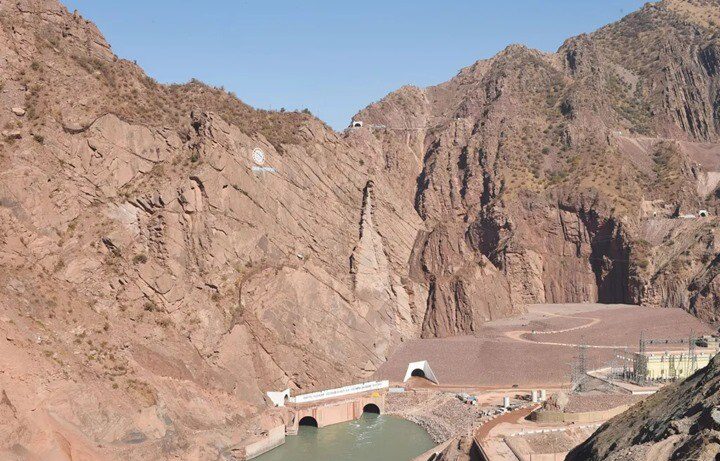
@rivers.help
An international environmental coalition has raised new concerns about the environmental assessment of Tajikistan’s Rogun Hydropower Plant, warning that its potential cross-border and cumulative impacts on downstream countries are being underestimated.
The group, Rivers without Boundaries, presented its latest report, Eyes Wide Shut: Ignoring the Transboundary and Cumulative Impacts of the Rogun Hydropower Plant, highlighting what it describes as serious shortcomings in the project’s environmental and social review.
According to the report, the current assessment of Rogun’s transboundary effects does not fully comply with the environmental and social standards of the World Bank. Experts argue the analysis relies on outdated data from 2014 and uses static modeling scenarios that fail to reflect climate change trends and the current hydrological realities of the Amu Darya basin. Rivers without Boundaries contends that this approach prevents a realistic understanding of how the project could affect downstream water availability and ecosystems.
The coalition also criticizes what it describes as a failure to account for key external factors, particularly the construction of Afghanistan’s Qosh Tepa canal, which is expected to significantly alter regional water balances. Rather than applying a basin-wide and cumulative assessment, the developers have labeled Rogun’s impact as “neutral”, a claim environmental experts deem misleading.
“The authors of the impact assessment preferred to act with their eyes wide shut, excluding the most sensitive and uncomfortable scenarios,” said Evgeny Simonov, international coordinator of Rivers without Boundaries. He added that portraying the world’s tallest dam as environmentally neutral contradicts the very premise of cumulative impact assessment. Without binding commitments on environmental water releases and artificial floods, Simonov warned, the project risks prolonging ecological degradation in downstream areas for decades.
The report flags particular threats to biodiversity and wetlands in the Amu Darya delta, many of which are protected under the Ramsar Convention. It notes that the Rogun assessment lacks clear mechanisms to guarantee water flows to these critical habitats during dry periods. The coalition also points to significant gaps in public consultation processes, especially in downstream countries, raising questions about the legitimacy of conclusions drawn regarding the project’s social acceptability.
Alexander Kolotov, the coalition’s Central Asia regional coordinator, said consultations were not conducted in affected areas of Uzbekistan and Turkmenistan. “The risks linked to seasonal water redistribution and the launch of the Qosh Tepa canal were effectively left out of the analysis,” he said, calling this a dangerous precedent for a project of regional significance.
Rivers without Boundaries is calling for a full Strategic Environmental Assessment of the entire Amu Darya basin, along with the development of legally binding water management plans that include climate adaptation strategies and biodiversity protection measures. Without a fundamental revision of the current approach, the coalition warns, Rogun could become a long-term source of environmental and social tension in Central Asia.
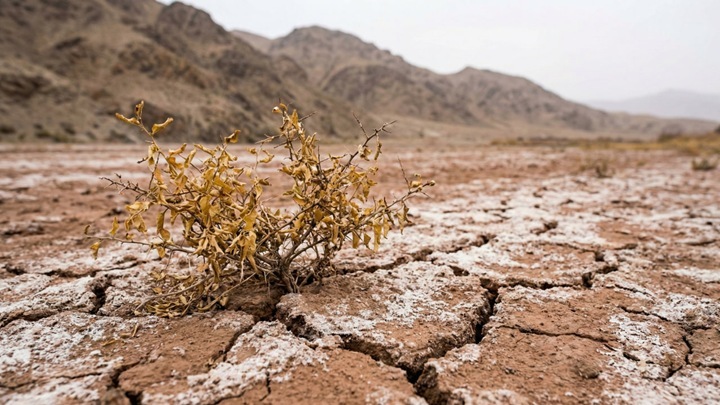
At the heart of the concern is the filling of the Rogun reservoir, which experts say could reduce water flows to the Amu Darya delta by 25% or more, accelerating desertification and threatening the livelihoods of up to 10 million people in Uzbekistan and Turkmenistan.
With a planned installed capacity of 3,780 megawatts, Rogun is set to become the largest hydropower facility in Central Asia, projected to generate over 14.5 billion kilowatt-hours of electricity annually once fully operational. The final turbine is scheduled for commissioning in 2029.


- Previous Dr M. – Great Malaysian PM for 21 years – has been undergoing health treatment: Praying for his complete healing and to celebrate 125th anniversary
- Next Uzbekistan’s free gift to earthquake victims in Turkey: 24 buildings with 300 fully furnished apartments
You may also like...






Random news








About us
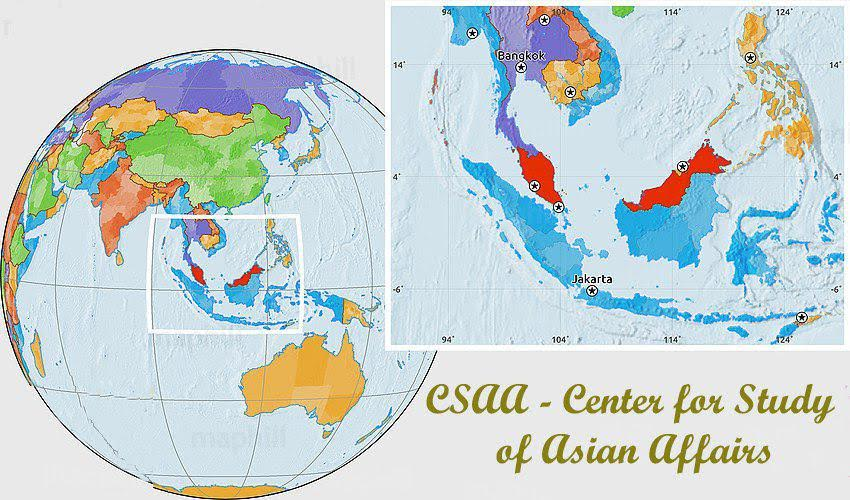
Our Newly established Center for study of Asian Affairs has
branches in Indonesia, Malaysia and Singapore, as well as freelances in some other countries.
For inquires, please contact: newsofasia.info@yahoo.com Mr.Mohd Zarif - Secretary of the Center and administer of the web-site www.newsofasia.net
Polls
 Loading ...