

13m barrels of oil per day from global markets off and counting
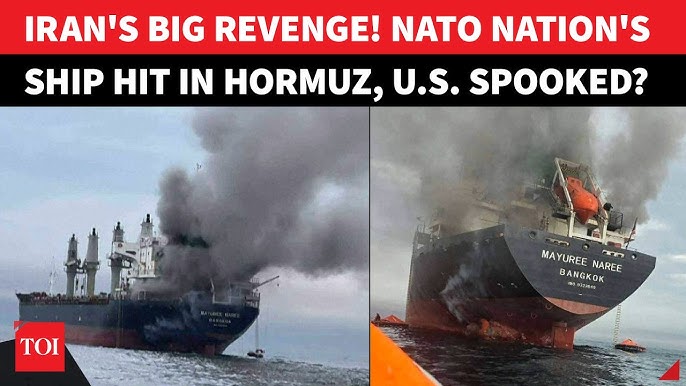
The organization has called the US-created disruption of oil and gas flows the ‘biggest energy security threat in history’
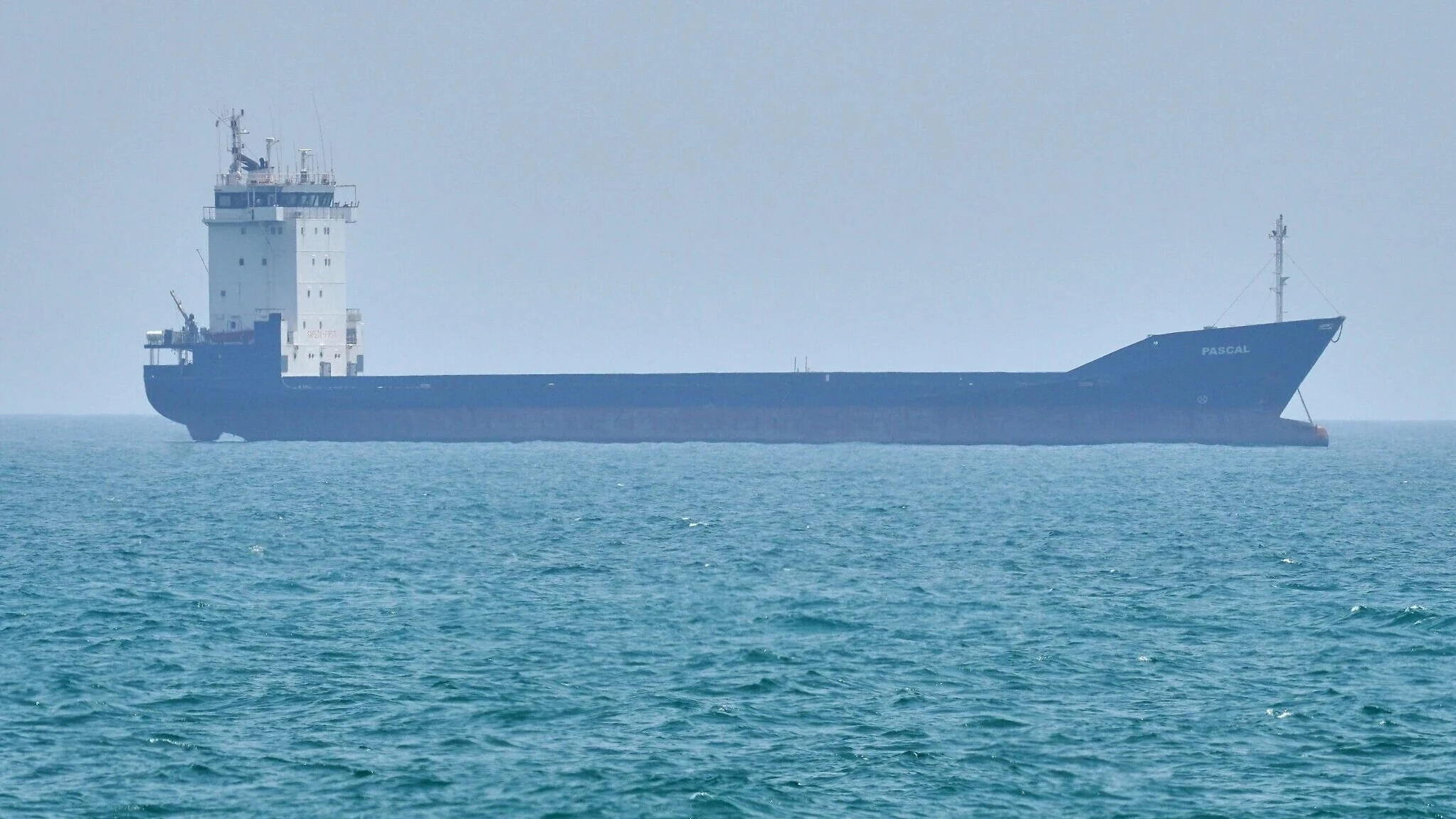 (Photo credit: AP Photo/Asghar Besharati)
International Energy Agency (IEA) Executive Director Fatih Birol warned on 23 April that the blockade of the Strait of Hormuz has removed around 13 million barrels per day (bpd) of oil from global markets.
“We are facing the biggest energy security threat in history,” he said in an interview with CNBC at the Converge Live event in Singapore.
He stressed that the situation stems from what he called a “double-blockade,” where neither Iran nor the US is allowing vessels to pass through the strategic waterway.
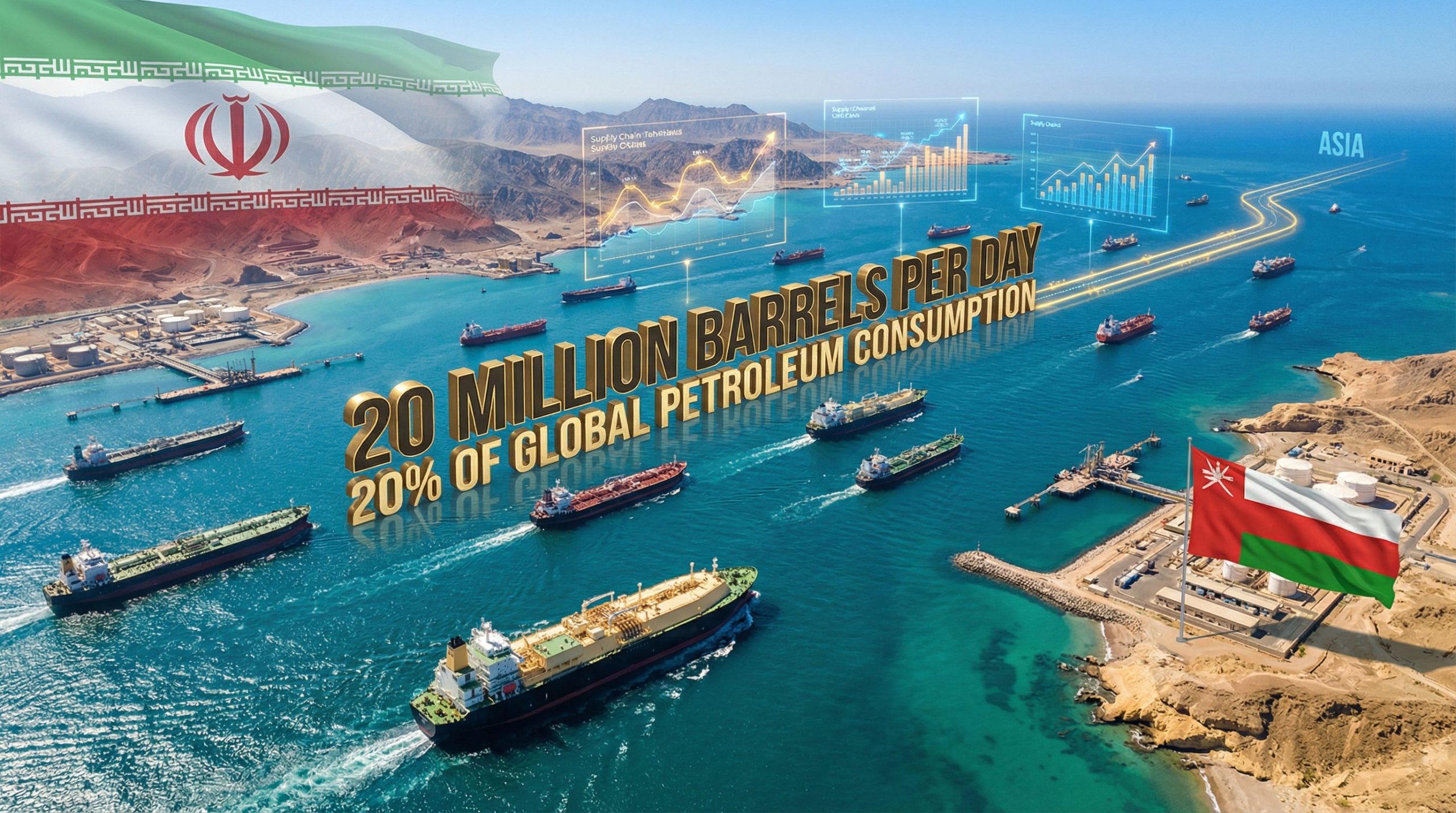
Before the crisis, roughly 20 million barrels of oil and petroleum products transited the strait daily, with the disruption now extending beyond oil to affect global energy flows, including liquefied natural gas (LNG).
The IEA has repeatedly identified the passage as one of the world’s most critical chokepoints, warning that its closure could weaken economic growth, fuel inflation, and potentially force energy rationing.
Birol also highlighted mounting pressure on Europe’s energy system, noting that about 75 percent of the region’s jet fuel had been sourced from West Asian refineries, a supply that is “basically now zero.”
He warned that shortages could emerge within weeks unless alternative imports are secured, adding that governments may need to consider reducing air travel if disruptions persist.
To mitigate the shock, the 32-member agency agreed in March to release 400 million barrels from emergency reserves.
However, Birol caution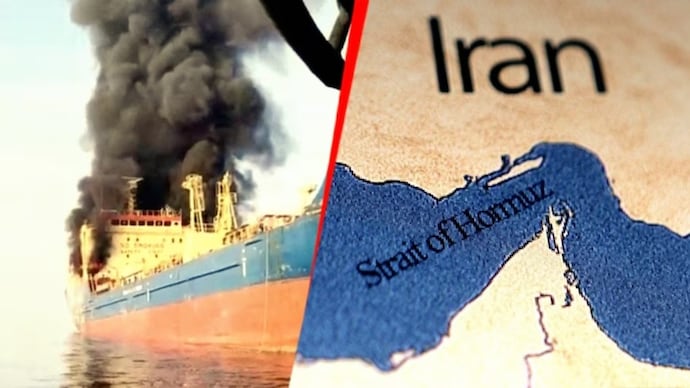 ed that such measures only “buy time” and do not resolve the underlying issue.
Birol said some major economies, particularly in Asia, may turn back to coal to offset supply shortages, warning that the current crisis could temporarily reverse progress in reducing fossil fuel dependence in certain regions.
“The cure is opening up the Strait of Hormuz,” he said, while urging governments to accelerate investment in alternative energy sources, including nuclear power, renewables, and electric vehicles, as the crisis reshapes global energy strategies.

- Previous Never ending pile-up leftist-LGBT+ anti-Trump shooters: one more caught at White House Correspondents dinner
- Next Manila’s disgrace paraded: Revenge of Globalists and Marcos clan: Ex-Philippine President Duterte to face trial
You may also like...


Random news


About us
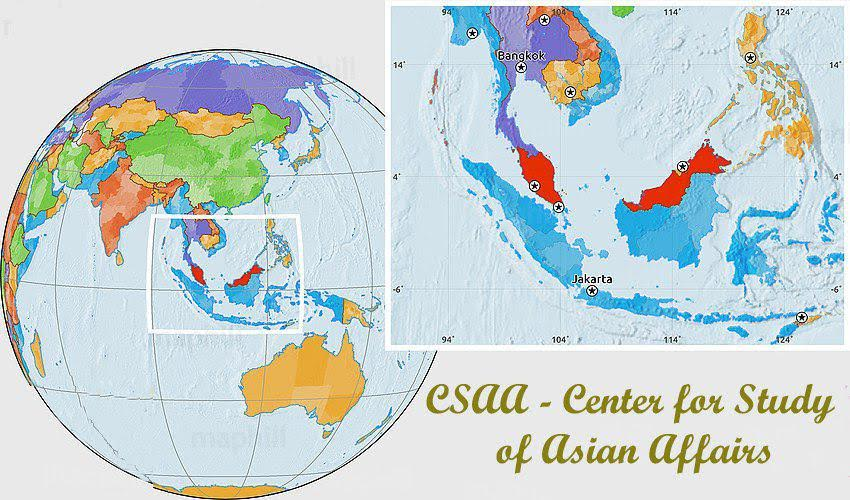
Our Newly established Center for study of Asian Affairs has
branches in Indonesia, Malaysia and Singapore, as well as freelances in some other countries.
For inquires, please contact: newsofasia.info@yahoo.com Mr.Mohd Zarif - Secretary of the Center and administer of the web-site www.newsofasia.net
Polls
 Loading ...