

Singaporian tycoon wants back $1.27 billion from banks over collapsed Australian firm
Get ST’s newsletters delivered to your inbox

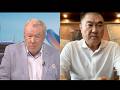
Mr Ching Chiat Kwong, co-founder, executive chairman and CEO of Oxley Holdings, says he put US$100 million (S$127 million) of his own money into NewSat.
PHOTO: LIANHE ZAOBAO FILE
SINGAPORE – In the early 2010s, a small Australian company tried to build a fleet of satellites before lenders, concerned about the flamboyant behaviour of its founder and chief executive officer Adrian Ballintine, pulled hundreds of millions of dollars of financing. The firm collapsed in 2015.
More than a decade later, Singapore real estate tycoon Ching Chiat Kwong, who says he put US$100 million (S$127 million) of his own money into NewSat, has not forgotten. Mr Ching is co-founder, executive chairman and CEO of Singapore-listed property developer Oxley Holdings.
The Supreme Court of Victoria will begin hearing a case on April 20 brought by the liquidators of the company against lenders Societe Generale (SocGen), Credit Suisse – now owned by UBS Group – and Standard Chartered, as well as credit insurers Export-Import Bank of the United States and Coface of France.

Within the suit are allegations that the lenders failed to honour loan agreements, which prevented NewSat from paying contractors to build and launch a satellite, that ultimately resulted in a loss of potential earnings.
Just how much was lost is contentious. Mr Ching, in an interview, has put the claim around US$1 billion (S$1.27 billion), based on an expert report, due to the lost opportunity to launch the original satellite and others planned for the future. Standard Chartered said the claimants asserted loss and damages of up to US$4.81 billion, according to its annual report.
The trial is the next twist in a saga over a firm that once had hopes of launching Australia’s first independently owned satellite. But it never took off as lenders grew concerned about the behaviour of Mr Ballintine, according to a defence filing.
A key part of the case, says Mr Ching, is a document signed by French President Emmanuel Macron, then a politician who oversaw Coface, which insured a chunk of the overall financing package.

- Previous Water Stress of Summer of 2026 to Hit Central Asia
- Next Iran says it hit US navy ships after American forces targeted Iranian vessels in Hormuz
You may also like...


Random news


About us
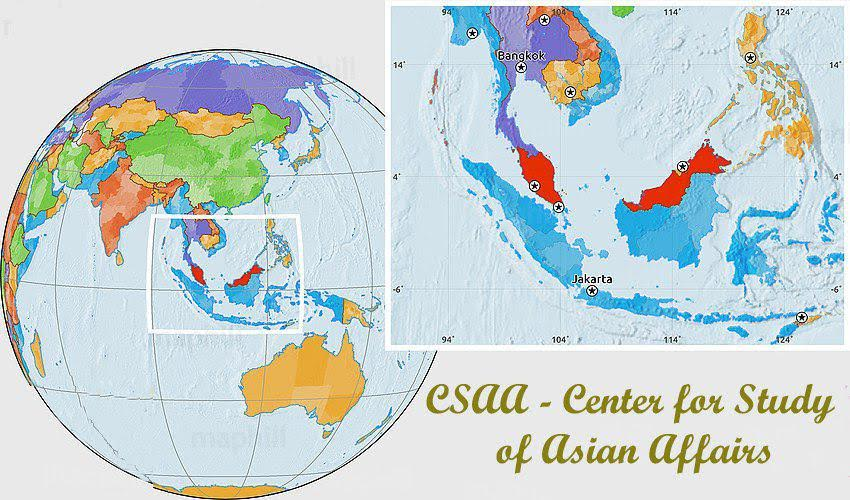
Our Newly established Center for study of Asian Affairs has
branches in Indonesia, Malaysia and Singapore, as well as freelances in some other countries.
For inquires, please contact: newsofasia.info@yahoo.com Mr.Mohd Zarif - Secretary of the Center and administer of the web-site www.newsofasia.net
Polls
 Loading ...