

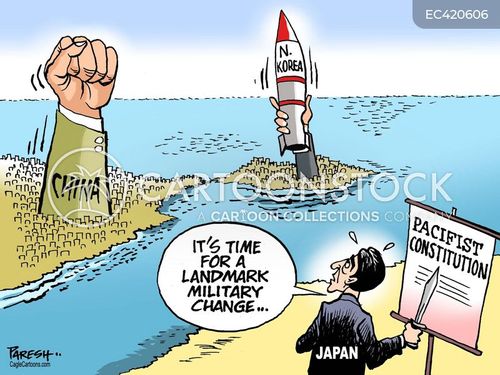
Japan to revise the pacifist Constitution
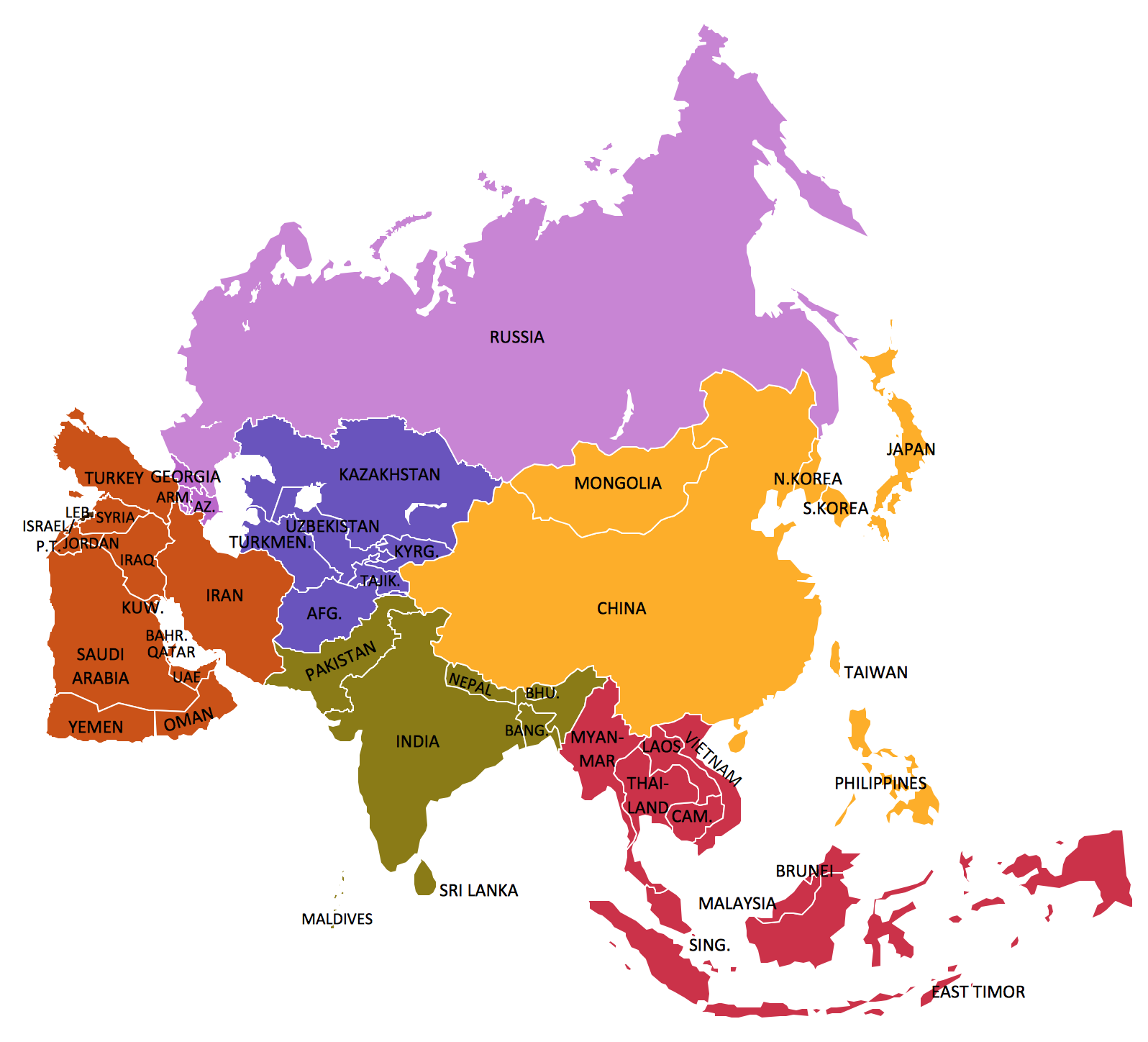
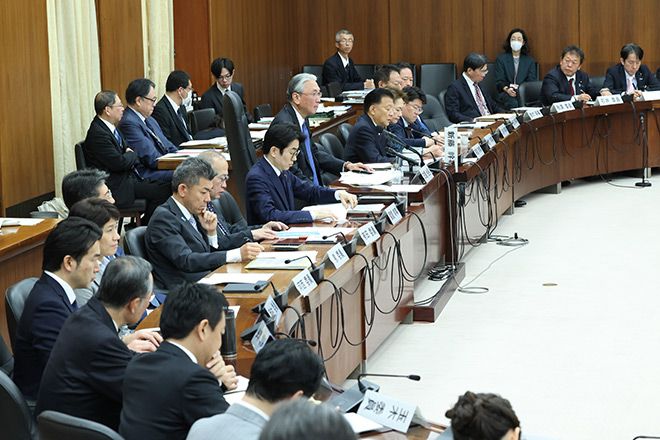 Lawmakers from ruling and opposition parties attend the Lower House Commission on the Constitution on April 9. (Takeshi Iwashita)
Some lawmakers stressed urgency while others urged caution in drafting revisions to Japan’s supreme laws at the first meeting of the Lower House Commission on the Constitution during the current Diet session.
The push for the first amendments to the pacifist postwar Constitution was reignited after the ruling Liberal Democratic Party’s landslide victory in the February Lower House election.
The LDP gained a two-thirds supermajority in the Diet chamber needed to initiate constitutional revisions on its own.
This political muscle reinforces a pact the LDP made with the opposition Nippon Ishin (Japan Innovation Party) last October to establish a committee to draft constitutional amendments “as soon as possible.”
Underscoring the administration’s resolve in this matter, Prime Minister Sanae Takaichi’s close aide Keiji Furuya was recently appointed to chair the commission.
At the meeting on April 9, LDP lawmaker Yoshitaka Shindo proposed starting on less contentious issues, such as extending Diet members’ terms during national emergencies.
His suggestion was supported by Yuichiro Tamaki of the opposition Democratic Party for the People.
However, Ishin’s Nobuyuki Baba was more direct, saying, “We should start work on creating a draft proposal for constitutional revision.”

The proposal, however, was met with both caution and outright opposition.
Toru Kunishige of the main opposition Centrist Reform Alliance (Chudo) warned that “constitutional debate should not be rushed.”
Kimie Hatano of the Japanese Communist Party voiced firm opposition to Baba’s proposal.
Constitutional revision is a sensitive issue in Japan, particularly concerning war-renouncing Article 9, which forbids the country from maintaining land, maritime and air forces.
The LDP’s Shindo argued for adding a clear “national defense” provision to the Constitution to recognize the role of the Self-Defense Forces.
Ishin’s Baba went further, calling for the Constitution to recognize the SDF as a “military in both name and substance.”
This view was supported by Masamune Wada of Sanseito, who advocated “maintaining a Self-Defense Force for self-defense.”
MAJOR HURDLES, DIVIDED OPPOSITION
Despite the momentum seen in the Lower House, significant hurdles remain.
Any constitutional amendment requires support from two-thirds of lawmakers in both chambers of the Diet, a threshold the ruling coalition lacks in the Upper House.
Furthermore, any proposal that passes the Diet must then be approved by a majority of voters in a national referendum.
The meeting highlighted the difficult position of Chudo, the opposition party recently created through a merger between the Constitutional Democratic Party of Japan and Komeito.
While Chudo’s platform calls for “deepening responsible debate,” its legacy factions remain divided.
Komeito has been open to discussing the role of the SDF, while the CDP has historically opposed amending Article 9.

Chudo’s internal balancing act was articulated by Kunishige, who hails from Komeito.
“When an amendment is deemed necessary, we will consider it sincerely,” he said.
But he quickly clarified, “We do not take the position that constitutional revision is an end in itself.”
In an effort to bridge these divisions, Chudo set up its own research commission the same day.
However, the commission’s chairman, Takeshi Shina, who hails from the CDP, indicated the group would focus on internal study for now, underscoring the long road ahead.
(This article was written by Hayato Jinno and Mika Kuniyoshi.)

- Previous War against Iran causes massive increases in shipping costs
- Next For the “128the time” China tells it will not tolerate independence for Taiwan
You may also like...




Random news












About us
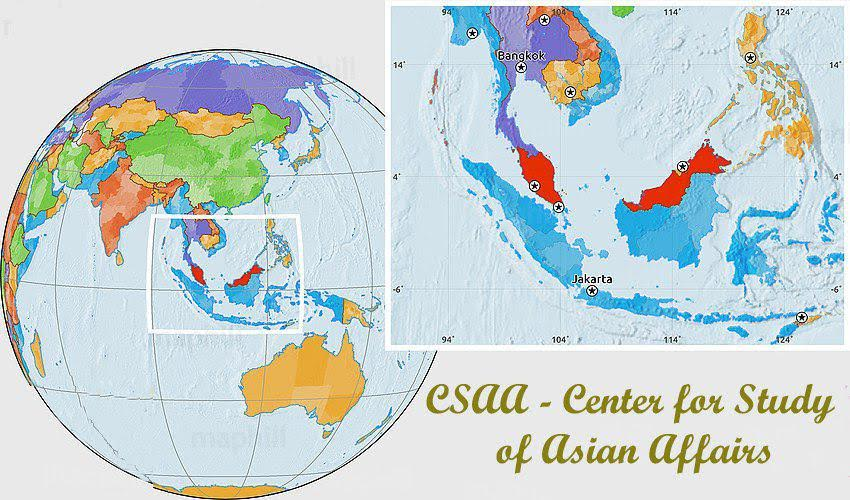
Our Newly established Center for study of Asian Affairs has
branches in Indonesia, Malaysia and Singapore, as well as freelances in some other countries.
For inquires, please contact: newsofasia.info@yahoo.com Mr.Mohd Zarif - Secretary of the Center and administer of the web-site www.newsofasia.net
Polls
 Loading ...