

Iran war: Japan struggles to halt fears over war-related price hikes, shortages

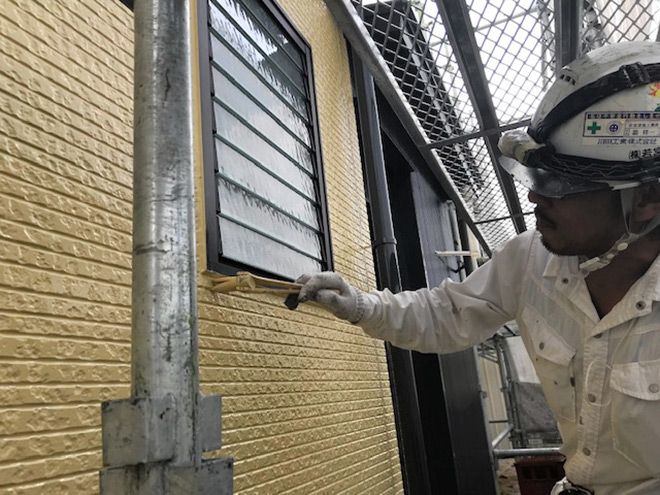 Paint has become difficult to procure. (Provided by Japan Painting Contractors Association)
Despite repeated reassurances from the government about oil-derived supplies, industries are sounding the alarm about procurement difficulties, companies are canceling orders and fears are growing about possible panic buying among the public.
The cease-fire in the Middle East remains on shaky ground, as the violence continues and the crucial Strait of Hormuz is now effectively blockaded by both Iran and the United States.
The prevention of oil cargo tankers from transiting the strait has led to product shortages in Japan, ranging from freezer bags to industrial paint and unit baths.
Economy minister Ryosei Akazawa on April 14 said the problem is a “supply bottleneck,” not a lack of materials.
At a news conference, Akazawa explained that after petrochemical firms announced that supply from May was “undecided,” downstream manufacturers and wholesalers pre-emptively cut April shipments in half.
“Although the total volume is definitely sufficient, this is what is happening,” Akazawa said, adding that the government would “do everything in our power to clear this bottleneck.”
Akazawa’s words came a day after one of the most dramatic moves in the private sector in response to the oil crisis.

Major housing equipment manufacturer Toto Ltd. suspended all new orders for its unit baths, citing an inability to procure the organic solvents needed for manufacturing.
The solvents, derived from petroleum-based naphtha, are essential for the adhesive used on wall and ceiling films for the units. Toto said it has no outlook for when procurement will resume, but that orders placed by April 10 would be fulfilled.
The suspension sent shockwaves through the industry, and Toto’s competitors were flooded with orders.
By April 14, the surge forced major rival Lixil Corp. to change the delivery status on new unit bath orders to “undecided.”
Panasonic Housing Solutions Co. followed suit the same day, marking its bathroom product delivery times as “undecided” for the foreseeable future, a departure from its usual practice of providing same-day estimates.
While unit baths account for about 15 percent of Toto’s sales, the company said production of its main products, like toilets, remains unaffected.
EVERYDAY ITEMS TO COST MORE
Consumers will also feel the effects on a wider range of everyday products.
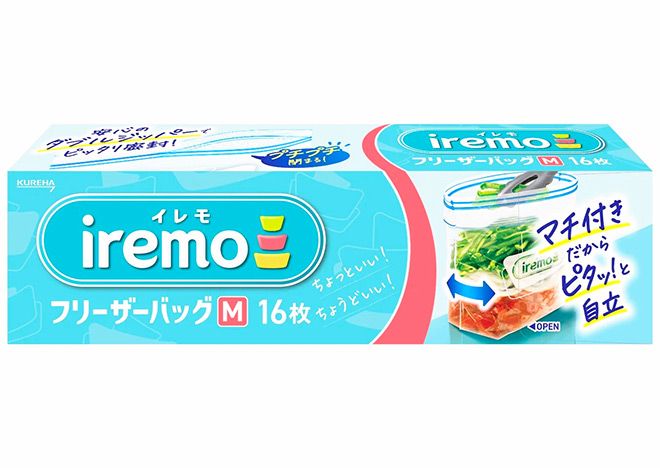
Kureha Corp., a chemical manufacturer, announced it will raise the shipping price of its “iremo” freezer bags and “Rakucho” microwaveable cooking bags by 25 to 35 percent or more, effective June 1.
Office supply company Askul Corp. reported shortages of packing materials, garbage bags and medical gloves, and is now limiting purchase quantities on some items.
Hiday Hidaka Corp., operator of the Hidakaya Chinese restaurant chain, is restricting the number of plastic takeout and delivery containers its stores can order due to procurement challenges.
CRISIS HITS PAINT, THREATENS TRUCK MAKERS
The Japan Painting Contractors Association held a news conference on April 14 to report that shipments of thinners, paints and other petroleum-derived materials have been halted, and that suppliers are no longer accepting new orders.
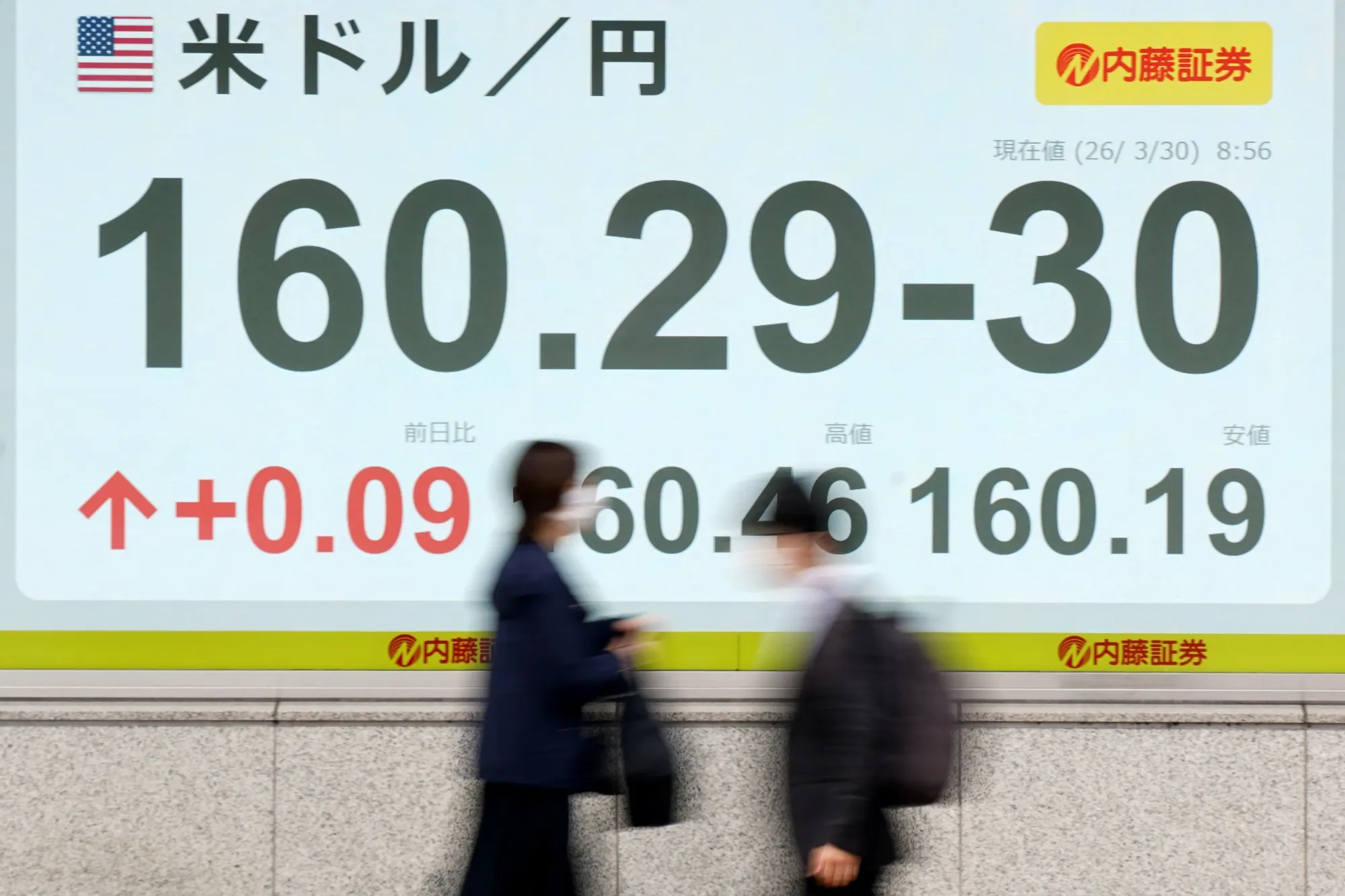
An emergency survey of its members revealed stark feedback, with contractors saying, “Finding alternative products is also proving difficult,” and, “The operation of our company is in jeopardy.”
The crisis is also threatening the heavy equipment industry.
Kyokuto Kaihatsu Kogyo Co., an Osaka-based manufacturer, warned that production of its specialty vehicles, such as dump trucks and garbage collectors, could be affected because paints and thinners essential for coating them have become increasingly difficult to secure.
FEARS OF PANIC
The government began releasing its petroleum reserves in mid-March and has been trying to develop alternative procurement routes that bypass the Strait of Hormuz.

“We have established an outlook to secure oil supplies beyond the end of the year,” Prime Minister Sanae Takaichi has said.
Chief Cabinet Secretary Minoru Kihara also stressed on April 14 that “the necessary amount (of naphtha) for Japan as a whole has been secured.”
The government, inside sources say, mostly fears a public panic over supply shortages.
“We are more afraid of anxiety being fueled by rumors,” said a senior official at the Prime Minister’s Office.
This fear, the official explained, is why the government is reluctant to ask the public to conserve resources or electricity.
“That could instead create confusion,” the official said. “It would also have a negative impact on the economy as a whole.”
(This article was compiled from reports written by Hisashi Naito, Fuka Takei, Akihito Ogawa, Yoshikatsu Nakajima and Yuichi Kojin.)

- Previous Asahi Shimbun: China property crisis weighs on consumers, local governments
- Next China’s New Playbook in Central Asia
You may also like...





Random news


About us
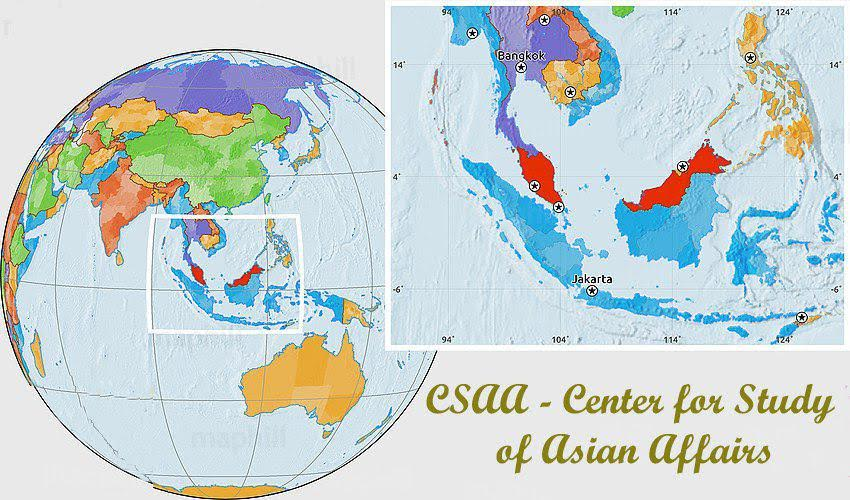
Our Newly established Center for study of Asian Affairs has
branches in Indonesia, Malaysia and Singapore, as well as freelances in some other countries.
For inquires, please contact: newsofasia.info@yahoo.com Mr.Mohd Zarif - Secretary of the Center and administer of the web-site www.newsofasia.net
Polls
 Loading ...